Crete steals hearts. The largest Greek island delivers ancient ruins, turquoise waters, and mountain villages where time moves more slowly. But here’s the thing—some spots on this Mediterranean gem will leave you disappointed, overcharged, or stuck in crowds so thick you can barely breathe.
Travel blogs rarely tell you where not to go. They showcase the highlights, the Instagram-worthy sunsets, the “must-see” lists. Yet knowing what to skip can save you hours of frustration, protect your wallet, and give you time to discover the places that actually deserve your attention. That knowledge is worth having.
So before you finalize that itinerary, let’s talk about the spots in Crete that might look good on paper but often fail to deliver. Your vacation days are precious—spend them wisely.
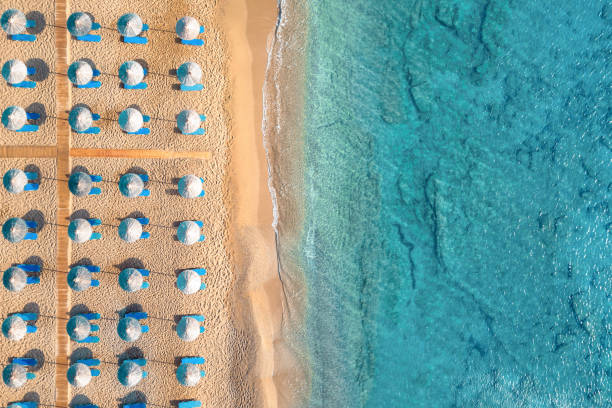
Places to Avoid in Crete
Every traveler deserves honest advice about their destination. Here are ten spots in Crete that frequently disappoint visitors, along with what makes them problematic and where you might go instead.
1. The Overcrowded Beach at Elafonissi During Peak Season
Elafonissi gets called “paradise” for its pink-tinged sand and lagoon-like waters. And sure, in photographs, it looks like a slice of the Caribbean transplanted to Greece. But visit between June and August, and you’ll encounter something closer to a sardine can than a beach.
During peak season, the parking area fills by 10 a.m. Cars line the road for over a kilometer. The beach itself? Packed with umbrellas rented out at premium prices, bodies everywhere, and a noise level that makes relaxation impossible. The walk from the parking to the sand takes about 15 minutes, and in the midday heat, that trek becomes brutal.
What to do instead: Visit Elafonissi in late September or early October. The crowds thin dramatically, the water stays warm, and you’ll actually see that famous pink sand without stepping over towels. Alternatively, head to Kedrodasos Beach nearby. It’s harder to reach (you’ll need to walk about 20 minutes through a cedar forest), but the effort filters out most visitors. You’ll find natural shade under juniper trees and a fraction of the people.
2. Malia’s Strip After Dark
Let’s be clear: Malia’s nightlife strip exists for one specific type of traveler—young tourists looking for cheap drinks and clubbing until sunrise. If that’s you, fine. But if you’re expecting anything resembling authentic Cretan culture or a pleasant evening, Malia will shock you.
The main strip is loud, aggressive, and littered with promoters shoving flyers in your face. Bars compete with ear-splitting music. Fights break out regularly. Streets smell like spilled alcohol by 2 a.m. Some establishments have reputations for watering down drinks or overcharging tourists who’ve had a few too many to notice. The atmosphere feels manufactured rather than fun.
What to do instead: Agios Nikolaos offers a much better night out. The town has bars and restaurants around Lake Voulismeni where you can enjoy music and drinks without the chaos. Rethymno’s old town also delivers a lively evening scene with far more character.
3. Tourist Restaurants Along Heraklion’s Waterfront
That long row of restaurants facing Heraklion’s harbor looks inviting after a morning at the Archaeological Museum. Tables line the water, menus feature pictures of moussaka and grilled fish, and staff stand outside waving you in.
Here’s the problem: these spots target tourists who won’t return. Prices run 30-50% higher than restaurants a few blocks inland. Food quality? Often mediocre at best—pre-made dishes reheated in microwaves, frozen calamari instead of fresh. The ambiance promises “authentic Greek dining,” but the experience feels like a fast-food operation dressed up with tablecloths. Staff turnover is high, and service reflects that.
What to do instead: Walk 10 minutes into the city center. Look for restaurants where locals eat—smaller places without photos on the menu, maybe a handwritten specials board in Greek. The neighborhood around 1866 Street has several options. Parasties Mezedopolio comes recommended by residents for honest prices and fresh ingredients. You’ll taste the difference immediately, and your bill will make you smile.
4. The Palace of Knossos Without a Guide or Pre-Planning
Knossos is Crete’s most famous archaeological site. The Minoan palace ruins date back nearly 4,000 years. Missing it entirely would be a mistake. But visiting without preparation turns the experience into a confusing, frustrating hour of staring at reconstructed walls and wondering what you’re looking at. Even well-traveled visitors leave feeling like they missed the point.
The reconstructions by Sir Arthur Evans in the early 1900s remain controversial among archaeologists. Painted columns, rebuilt rooms, and concrete reinforcements dot the site. Without context, you’ll wander past the Throne Room and the Queen’s Megaron without understanding their significance. Worse, between 10 a.m. and 2 p.m., tour groups flood the pathways. You’ll spend more time waiting behind crowds than actually seeing anything.
What to do instead: Book a guided tour that begins at 8 a.m. when the site opens. The Archaeological Museum in Heraklion provides essential context—visit it first to see the original frescoes and artifacts. If you prefer exploring independently, at a minimum download a good audio guide app and arrive right at opening or after 4 p.m. Budget at least two hours to properly absorb what you’re seeing.
5. Stalida for Beach and Accommodation Quality
Stalida (sometimes spelled Stalis) sits between Malia and Hersonissos on the northern coast. Package tour operators love it. The town offers budget-friendly hotels close to the beach, and numerous restaurants and shops line the main road. Marketing materials show golden sand and blue skies.
The reality disappoints. The beach is narrow and often dirty, with seaweed piling up that doesn’t get cleared regularly. The sea bottom is rocky in many sections, making swimming uncomfortable. Hotels along the strip tend toward older properties that haven’t been updated in years—think worn furniture, unreliable air conditioning, and plumbing issues. The town itself lacks character. It’s a strip of generic tourist businesses without a real center or any historical interest.
What to do instead: Agia Pelagia, about 20 kilometers west of Heraklion, offers a much better beach experience in a natural bay. Plakias on the southern coast gives you better value accommodations and a genuinely beautiful, well-maintained beach.
6. Star Beach Water Park in Hersonissos
Water parks can make sense for families needing a break from sightseeing. But Star Beach charges premium prices for an underwhelming experience. Entry fees hit your wallet hard, and once inside, you’ll pay extra for lockers, loungers, and any food or drink.
The park gets incredibly crowded during the summer. Lines for slides stretch 20-30 minutes long. The facility shows its age—some attractions are closed for maintenance, pools look tired, and the overall cleanliness varies throughout the day. Staff receive mixed reviews for attentiveness.
What to do instead: Acqua Plus near Hersonissos delivers a better water park experience with more slides, better maintenance, and actual trees for shade. Or skip the water parks entirely. Crete’s natural swimming spots—sea caves near Matala, the freshwater lake at Kournas, the rock pools at Seitan Limania—offer far more memorable experiences without the queues and fees. Your kids will talk about swimming in a cave long after they’ve forgotten any waterslide.
7. Lake Kournas on a Summer Weekend
Crete’s only freshwater lake sits in a stunning location surrounded by mountains. The water is clear, you can rent paddleboats, and tavernas serve fresh eel from the lake. It sounds perfect. The drive there passes through olive groves and traditional villages, building anticipation.
Visit on a summer weekend, though, and you’ll find something else entirely. The small beach area gets impossibly packed. Paddleboats crowd the water so densely that swimming becomes hazardous. Parking turns into a nightmare, with cars wedged along the access road. Taverna prices spike, and service suffers under the strain of serving everyone at once.
What to do instead: Go on a weekday morning. Arrive by 9 a.m., and you’ll have the lake nearly to yourself until about 11. Bring your own snacks, rent a paddleboat while it’s still peaceful, and leave before the midday rush hits. The lake takes on a completely different character when you can actually hear the birds and see the turtles swimming near the shore.
8. Spinalonga Island Without Historical Context
Spinalonga draws visitors because of its dramatic appearance—a fortified island in the Gulf of Elounda—and its role in Victoria Hislop’s novel “The Island.” The Venetian fortress walls rise photogenically from the sea. Day trip boats depart regularly from Elounda and Plaka. Tour operators advertise it as a scenic excursion.
But Spinalonga was a leper colony until 1957. People lived and died there in isolation, separated from families for years. Walking through the crumbling buildings without understanding this history reduces the island to a scenic backdrop for photos. You’ll miss the weight of what happened there, the stories of the residents, and the medical history the site represents.
What to do instead: Read about the colony’s history before you go. The island’s small museum helps, but arriving with prior knowledge transforms the visit. Consider booking with a guide who knows the stories—where the hospital stood, how residents organized their community, and the names of people who lived there. The island deserves more than a quick photo stop.
9. Chania’s Outer Harbor Restaurants
Chania has one of the most photographed harbors in Greece. The Venetian lighthouse, the colorful buildings, the fishing boats bobbing in the water—it’s genuinely beautiful. Restaurants circle the outer harbor with perfect views of all of it.
These restaurants know exactly what they’ve got. Prices reflect the view, not the food. A basic Greek salad runs €12-15. Fish gets priced by weight, and final bills regularly shock diners. Food quality varies wildly—some places serve decent meals, others offer reheated tourist fare. Service can be slow and impersonal because staff know you’re unlikely to return.
What to do instead: Walk the harbor for photos, then eat elsewhere. The streets behind the harbor—Splatzia neighborhood, the area around Stivanadika Street—hide family-run tavernas with better food at honest prices. Tamam Restaurant in the old hammam building serves excellent Cretan cuisine. For seafood, locals head to the small restaurants in Nea Chora, the fishing neighborhood west of the center. You’ll pay half the price and eat twice as well.
10. The “Hippie Beach” at Matala During Cruise Ship Days
Matala became famous in the 1960s when hippies lived in the ancient Roman caves carved into the cliffs. Joni Mitchell wrote about it. The beach remains beautiful, framed by those famous caves, and the village has a relaxed feel most days. Small shops sell tie-dye clothes and peace-sign souvenirs, keeping that counterculture memory alive.
Most days. When cruise ships dock at Heraklion, tour buses bring hundreds of passengers to Matala. The small beach fills beyond capacity. The caves become inaccessible due to queues. Restaurants can’t handle the volume, so service suffers and wait times stretch past an hour. The village’s laid-back vibe disappears completely.
What to do instead: Check cruise ship schedules for Heraklion before planning your visit (port authority websites list arrivals). Avoid days when large ships are in. If your schedule doesn’t allow flexibility, go to Red Beach instead—it’s a 20-minute walk from Matala over a rocky path, which filters out most tour groups. The hike requires decent shoes, but you’ll find peace on the other side.
Wrapping Up
Crete remains one of the finest destinations in the Mediterranean. Its history runs deep, its food satisfies, and its landscapes genuinely take your breath away. The island rewards those who approach it thoughtfully.
But every destination has its weak spots. Knowing which places to approach with caution—or skip entirely—lets you build an itinerary that delivers on the island’s real promise. A little advance research goes a long way.
Use this list as a starting point. Trust your instincts, talk to locals, and don’t be afraid to wander off the beaten path. The best moments in Crete often come from the places that don’t make it onto the tourist brochures at all.


