The Dominican Republic draws millions of visitors each year with its turquoise waters, white sand beaches, and all-inclusive resorts that promise paradise. But here’s the thing—every destination has its rough edges, and this Caribbean gem is no exception.
Some neighborhoods come with higher crime rates. Certain tourist traps exist solely to separate you from your cash. And a handful of beaches look stunning in photos but deliver disappointment in person.
This guide pulls back the curtain on the spots that could put a damper on your trip. Knowing where to skip matters as much as knowing where to go. Armed with this information, you’ll spend less time dealing with headaches and more time enjoying everything the DR actually does well.
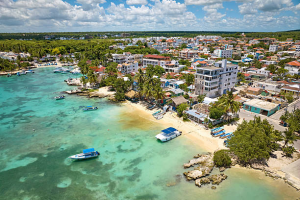
Places to Avoid in the Dominican Republic
Whether you’re planning your first visit or returning for another round, steering clear of these locations will make your experience safer, smoother, and far more enjoyable. Here’s what you need to know before you book.
1. Capotillo, Santo Domingo
The capital city has plenty to offer—colonial architecture, great food, friendly locals—but Capotillo sits on the list of areas the U.S. State Department specifically warns travelers to avoid. This neighborhood in northern Santo Domingo struggles with poverty, gang activity, and drug trafficking that occasionally spills into violence.
Street crime runs high here. Muggings happen frequently, sometimes in broad daylight. Tourists stick out, and that visibility makes them targets.
Most visitors have zero reason to end up in Capotillo anyway. It’s far from the Zona Colonial, the Malecón, and other attractions. But if you’re exploring Santo Domingo with a rental car or wandering without GPS, double-check your route. A wrong turn can land you somewhere you don’t want to be. Stick to main roads, travel during daylight hours, and keep your hotel’s address handy.
Local tour operators know the city inside out. If you want to explore Santo Domingo beyond the typical tourist zones, hiring a reputable guide gives you street-level knowledge while keeping you out of dicey situations.
2. Boca Chica Beach (Unless You Know What to Expect)
Boca Chica sounds perfect on paper—a calm, shallow bay just thirty minutes from Santo Domingo’s international airport. Families used to flock here. The water barely reaches your waist for hundreds of feet offshore.
That was then.
Today, Boca Chica has transformed into a party zone with a reputation that precedes it. Prostitution operates openly along the main strip. Aggressive vendors swarm the beach, pushing everything from massages to braids to questionable “tours.” Trash accumulates in the sand. The water quality has declined as the area has developed without adequate infrastructure.
On weekends, the beach gets packed with locals blasting music and drinking. That’s fine if you’re looking for a scene. But if you expected a serene family beach day, you’ll feel blindsided.
Some travelers enjoy Boca Chica precisely because of its gritty, anything-goes atmosphere. If that’s your speed, go in with your eyes open. But if you’re traveling with children or hoping for a quiet beach escape, skip it entirely. Juan Dolio, located about twenty minutes east, offers similar convenience without the chaos.
3. Certain Areas of La Romana at Night
La Romana serves as the gateway to Casa de Campo, one of the Caribbean’s most exclusive resorts, and the postcard-perfect Altos de Chavón. During the day, the town feels relatively safe and easy to get around. Cruise ship passengers often visit without incident.
Nighttime changes things.
The neighborhoods surrounding the sugar cane bateys—settlements originally built to house plantation workers—see elevated crime after dark. Poverty drives some residents toward theft and robbery, and tourists carrying phones, cameras, and jewelry present easy opportunities.
Even the downtown area warrants caution once the sun sets. Street lighting is sparse in many sections. Taxis become harder to find, which leaves you walking through poorly lit streets. That’s when problems occur.
If you’re staying at Casa de Campo or a nearby resort, the properties maintain their own security, and you can arrange transportation through the front desk. For dinner or entertainment in town, have your hotel call a trusted taxi and arrange a pickup time. Don’t wander the streets looking for a ride home at midnight—that’s asking for trouble.
4. Villa Mella, Santo Domingo Norte
Villa Mella holds genuine cultural significance. It’s the birthplace of the Congos, Afro-Dominican musical traditions recognized by UNESCO. For anthropology buffs, it’s fascinating.
But Villa Mella also battles serious socioeconomic challenges. The area lacks adequate policing, and crime—particularly theft, robbery, and carjacking—occurs regularly. The infrastructure is rough. Roads flood during heavy rains, power outages are common, and medical facilities are limited.
Unless you have a specific cultural reason to visit and can arrange transportation through a knowledgeable local contact, Villa Mella isn’t worth the risk. The cultural elements you’d come for can be experienced more safely at festivals and museums elsewhere in the country. The Museo del Hombre Dominicano in Santo Domingo, for example, showcases Congo traditions without requiring you to enter a high-crime neighborhood.
5. Los Alcarrizos
Situated on the outskirts of Santo Domingo, Los Alcarrizos grew rapidly as people migrated from rural areas seeking work in the capital. That growth outpaced infrastructure development, leaving the area underserved and overextended.
Gang presence is a concern here. Drug-related violence flares up periodically. The police maintain a presence, but response times lag, and tourists represent soft targets for opportunistic criminals.
There’s nothing in Los Alcarrizos that you can’t find—better and safer—elsewhere. No beaches, no historic sites, no restaurants worth seeking out. This is a residential zone for working-class Dominicans, and unless you’re visiting family or conducting specific business, you have no reason to enter.
If your GPS tries routing you through Los Alcarrizos to reach a destination on the other side of Santo Domingo, add the extra ten minutes and take the highway instead.
6. Sosúa Beach (With Significant Caveats)
Sosúa Beach itself is actually beautiful. The horseshoe-shaped bay boasts calm, clear water ideal for snorkeling. Coral formations sit close to shore. The sand is golden and soft.
So why does it land on this list?
The beach access area has devolved into a gauntlet of aggressive touts, overpriced souvenir stalls, and persistent harassment. You’ll get approached dozens of times within minutes—to buy, to book, to go somewhere, to try something. It’s exhausting.
Beyond that, Sosúa town has long been associated with sex tourism. While the government has made efforts to clean up the area, the reputation persists, and certain bars and streets cater to that crowd. Families and couples looking for a romantic getaway often feel uncomfortable.
The beach can still work if you visit early in the morning before the vendor onslaught begins. Arriving around 7 or 8 a.m. lets you enjoy the water in relative peace. By 10 a.m., though, the hustle kicks into high gear. Alternatively, head to nearby Playa Alicia or Playa Grande, which offer similar natural beauty with fewer headaches.
7. Parts of San Pedro de Macorís
San Pedro de Macorís is famous for producing an astonishing number of Major League Baseball players. The baseball academies draw scouts year-round. The town also features some of the best-preserved gingerbread Victorian architecture in the Caribbean, a legacy of the sugar boom era.
But San Pedro has struggled economically as the sugar industry declined. Unemployment remains high. Certain neighborhoods—particularly those near the sugarcane bateys and the port—see elevated crime, including armed robbery.
If you want to photograph the historic buildings or visit a baseball academy, go during the day, stick to the main streets, and don’t flash expensive equipment. Better yet, arrange a tour through a Santo Domingo-based operator who knows which areas to avoid. They’ll show you the highlights while steering you clear of the problem spots.
8. Playa Montecino (Overrated and Overcrowded)
Here’s a different kind of warning—not danger, but disappointment.
Playa Montecino, located near Puerto Plata, appears in some travel blogs as a hidden gem. It’s not. The beach is narrow, the sand is coarse, and on busy days it gets uncomfortably crowded. Amenities are minimal. Parking is chaotic.
Worse, the undertow can be strong. Several drownings have occurred over the years because swimmers underestimated the current. Lifeguards are sometimes present, sometimes not.
Given that Puerto Plata has dozens of better beaches—Playa Dorada, Cofresí, Costambar—there’s no logical reason to settle for Playa Montecino. Your vacation time is valuable. Don’t spend it on a beach that fails to deliver.
9. Cristo Rey, Santo Domingo
Cristo Rey carries a reputation as one of Santo Domingo’s most dangerous neighborhoods. Drug trafficking, gang violence, and armed robbery plague the area. Police conduct operations here regularly, and gunfire isn’t unheard of.
The streets can be confusing and poorly marked. Getting lost here puts you in a vulnerable position. Residents know who belongs and who doesn’t, and criminals will spot you immediately.
This neighborhood offers nothing for tourists. No attractions, no landmarks, no experiences worth the risk. Keep it off your itinerary entirely.
10. Samaná During Peak Whale Season (Without Advance Planning)
Wait—Samaná is one of the most beautiful parts of the Dominican Republic. Why is it on this list?
Because showing up during whale watching season (January through March) without reservations can leave you stranded.
Humpback whales migrate to the Bay of Samaná to breed, and it’s genuinely spectacular. Thousands of tourists descend on this small peninsula town, overwhelming the limited infrastructure. Hotels book out weeks in advance. Tour boats fill up. Restaurants run low on supplies. Traffic crawls.
If you arrive expecting to wing it, you might not find accommodation. Or you’ll pay triple the normal rate for whatever’s left. Boats will be sold out for days. You’ll spend more time frustrated than amazed.
This doesn’t mean skip Samaná—quite the opposite. Just book everything early. Reserve your hotel by November for a February visit. Buy whale watching tickets before you arrive. Have a backup plan if the weather cancels your tour.
Proper planning transforms Samaná into a highlight. Poor planning turns it into a headache. The choice is yours.
Wrapping Up
Every destination has areas that don’t serve tourists well. The Dominican Republic is no exception, but that shouldn’t scare you away. The vast majority of the country welcomes visitors with open arms, incredible food, and scenery that actually matches the postcards.
Knowing which spots to avoid lets you focus on what matters—the beaches, the mountains, the merengue, and the people who make this island so warm. Stick to well-traveled areas, trust your instincts, and don’t let the warnings stop you from experiencing the genuine magic the DR has to offer.
Travel smart, and you’ll come home with nothing but good stories.