Denver has earned its reputation as one of the most livable cities in America. The mountain views, the craft beer scene, the sunshine—there’s plenty to love. But every city has its blind spots, and the Mile High City is no exception.
Some neighborhoods carry higher crime rates than city averages. Certain tourist traps drain your wallet without delivering real value. A few areas simply don’t live up to the hype you’ve read about online.
This guide pulls back the curtain on the spots that might leave you disappointed, uncomfortable, or reaching for your wallet for all the wrong reasons. Whether you’re planning a visit or considering a move, knowing where to skip can save you time, money, and frustration.
Places to Avoid in Denver, Colorado
Let’s break down the specific areas and attractions that don’t quite measure up. Some carry safety concerns, others are overpriced, and a few are simply underwhelming—but all of them deserve a second thought before you add them to your itinerary.
1. East Colfax Avenue (Especially After Dark)
Colfax Avenue stretches across Denver like an old scar, and the eastern portion between Colorado Boulevard and Yosemite Street has struggled with persistent issues for decades. The Denver Police Department data shows this corridor consistently ranks among the highest in the city for property crime, drug activity, and violent incidents.
During daylight hours, you’ll find a mix of vintage shops, ethnic restaurants, and longtime businesses holding on despite the challenges. But once the sun sets, the character shifts noticeably. Prostitution arrests remain common here, and the motels lining this stretch have become synonymous with drug deals and theft.
If you need to pass through, stick to well-lit areas and keep your belongings secured. Better yet, grab that authentic Korean BBQ or vintage furniture during afternoon hours, then head elsewhere for your evening plans.
The corridor has seen improvement efforts over the years—new apartment complexes, a few brave restaurants opening up. But the transformation happens slowly, and the nighttime safety concerns remain a reality that locals understand well.
2. The 16th Street Mall (Tourist Trap Central)
Here’s the thing about Denver’s famous pedestrian mall: locals avoid it like expired milk. The mile-long stretch of shops and restaurants looks appealing in photos, but the reality falls flat.
You’ll pay premium prices for mediocre chain restaurant food. The same t-shirt shops selling “I Got High in Colorado” merchandise repeat every few blocks. Panhandling has become aggressive enough that the city installed a dedicated ambassador program to help visitors feel safe—that should tell you something.
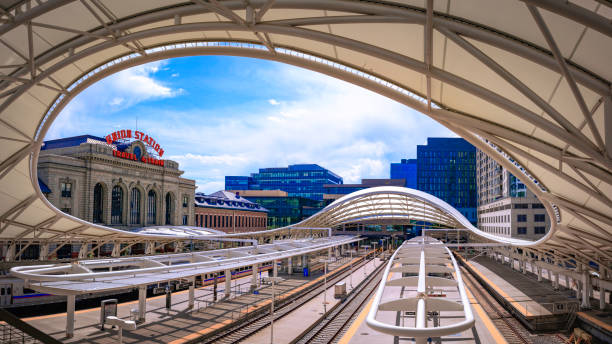
The free shuttle buses are convenient, sure. And Union Station at one end is genuinely beautiful. But everything in between? You’re getting the tourist version of Denver, sanitized and overpriced. Head to Larimer Square instead for local boutiques, or RiNo for authentic breweries and street art. Your wallet and your Instagram will thank you.
The mall also struggles with what city officials politely call “safety perceptions.” Fights break out. Drug use happens in plain view. The Denver Post has run multiple stories about visitors feeling uncomfortable enough to cut their visits short. For a supposed flagship destination, it falls remarkably short of the mark.
3. Five Points (Specific Blocks Require Caution)
Five Points holds deep historical significance as the heart of Denver’s Black community and the “Harlem of the West” during the jazz age. Gentrification has brought new restaurants and rising property values to much of the neighborhood.
That said, certain pockets still see elevated crime rates. The blocks surrounding 27th and Welton and the area near 29th and California have reported higher incidents of car break-ins and theft. Police presence has increased, but the problems haven’t disappeared.
The neighborhood deserves your visit for its history and food—Welton Street Cafe serves breakfast that’ll change your morning. Just be smart about it. Park in visible, well-lit spots. Don’t leave anything in your car, not even a phone charger cable. And stay aware of your surroundings, especially after happy hour ends.
The Five Points jazz heritage alone makes certain spots worth visiting. The Blair-Caldwell African American Research Library offers exhibits that tell the neighborhood’s full story. But you’ll want to plan your route, know exactly where you’re going, and limit your aimless wandering—particularly in the blocks farther from the main commercial strip.
4. Montbello
This far northeast neighborhood rarely makes the visitor guides, and there’s a reason. Montbello has faced economic challenges since the 1980s and continues to show some of the city’s highest rates for both property and violent crime.
The area lacks the walkable amenities and attractions you’d find elsewhere. Strip malls dominate, many with vacant storefronts. Parks exist but often feel neglected. The residential streets show a mix of well-kept homes and properties that have seen better decades.
For residents working to improve their community, this assessment stings. Their efforts are real and ongoing. But for visitors with limited time in Denver, Montbello simply doesn’t offer enough to outweigh the safety considerations and lack of attractions.
The city has announced plans for increased investment in the area, including new transit connections and parks funding. These changes may shift the neighborhood’s trajectory over the next decade. For now, though, your Denver time is better spent in neighborhoods that deliver both safety and something to actually do.
5. Casa Bonita (The Food, Not the Experience)
South Park made this Lakewood institution famous worldwide. The pink tower, the cliff divers, the sopapillas, the cave exploration—it’s dinner theater turned up to eleven. But here’s what the hype machine won’t tell you: the food has historically been terrible.
We’re talking cafeteria-grade Mexican food at table-service prices. Rubbery enchiladas. Flavorless rice. Beans that taste like they came from a can that morning because they probably did.
Now, the restaurant recently reopened after being purchased by the South Park creators, and they’ve promised to upgrade the menu. Early reviews suggest improvement. Still, you’re paying for the experience of a 52-foot waterfall and Black Bart’s cave, not for cuisine that will satisfy any real craving. Set your expectations accordingly. Eat a solid meal beforehand if you must go, and treat Casa Bonita as entertainment that happens to serve food.
The lines to get in now stretch around the building—sometimes with two-hour waits on weekends. The novelty has reached fever pitch. If you’re determined to go, make reservations well in advance and bring the kids. Adults going alone or on dates might find the experience more exhausting than enchanting.
6. Federal Boulevard (Certain Stretches)
Federal runs north-south through Denver, and the experiences along it vary wildly. The section between Alameda and Evans holds some of the city’s best Vietnamese and Mexican food—pho shops and taquerias that locals cherish.
But the portion between roughly 1st Avenue and Colfax tells a different story. Prostitution remains an ongoing issue. Drug activity persists. Car thefts and break-ins occur with uncomfortable frequency. The motels along this corridor share similar reputations with those on East Colfax.
North Federal through the Highlands neighborhood? Completely different vibe—gentrified, safe, filled with young professionals walking dogs. South Federal near the pho restaurants? Worth the visit during daytime. That middle section, though? Drive through if you need to, but don’t make it a destination.
The south Federal food scene genuinely ranks among Denver’s best. Pho 95 serves bowls that draw people from across the metro area. Little Saigon supermarket stocks ingredients you won’t find anywhere else in Colorado. These places deserve your business. Just be intentional about your route and timing, sticking to daylight hours and staying alert when walking to and from your car.
7. Denver International Airport Art (If You’re Short on Time)
DIA’s conspiracy theories have made its public art famous. The blue mustang with glowing red eyes (locals call it Blucifer). The murals depicting apocalyptic scenes. The gargoyles watching from baggage claim. It’s become a cultural phenomenon.
Here’s the problem: actually viewing all of it eats up significant time. The art is scattered throughout a massive airport. You’ll trek from Concourse B to the Great Hall to the baggage claim to the outdoor plaza, adding miles to your day.
If your layover is short, you’ll stress yourself out trying to see everything and might miss your flight. If you’re arriving, you’ll add an hour to your pickup time. And honestly? The photos online capture the experience just fine. Blucifer looks more impressive from a moving car on Peña Boulevard anyway. Unless you’re an art enthusiast with three spare hours, skip the treasure hunt and get to the mountains faster.
For those who genuinely want to see the conspiracy-theory-fueling pieces, at least plan ahead. Download the airport’s art map. Focus on the main terminal and Concourse A, where most of the famous installations live. The gargoyles in baggage claim take thirty seconds to photograph. The murals by Leo Tanguma are near the south security checkpoint. Pick two or three must-sees and let the rest go.
8. Globeville and Elyria-Swansea
These adjacent neighborhoods north of downtown carry complicated histories. Industrial pollution from the old smelters has left contaminated soil. The construction of I-70 and I-25 literally tore the communities apart. Highway expansion projects continue to displace residents.
Environmental health concerns persist here—elevated levels of arsenic and lead in the soil have been documented for years. Crime rates exceed city averages. The lack of grocery stores, restaurants, and services makes this a food desert with few amenities to attract visitors.
Longtime residents have fought hard for environmental justice and community investment. Their advocacy matters. But for someone visiting Denver, these neighborhoods offer little in terms of attractions while presenting real health and safety considerations that make them easy to skip.
9. Cherry Creek Shopping Center During Peak Hours
Cherry Creek represents Denver’s upscale retail destination. Nordstrom, Neiman Marcus, Tiffany—the luxury names are all here. The outdoor mall area adds restaurants and boutiques to the mix.
The problem isn’t the shopping itself. It’s the experience during weekends, holidays, and any day between noon and 6 p.m. Parking becomes a blood sport. The garages fill completely. People circle surface lots for twenty minutes only to pay fifteen dollars for the privilege. The stores themselves get so crowded you’ll wait in line just to enter the fitting room.
If you genuinely need high-end retail therapy, go on a Tuesday morning. Bring patience and comfortable shoes. Otherwise, the congestion and parking frustration will sour what should be an enjoyable experience. The Pearl Street Mall in Boulder offers similar shopping with better vibes and actual mountain views.
Another option: the Cherry Creek North outdoor area, just across 1st Avenue from the main mall, tends to be slightly less congested. The stores skew more local and boutique. The restaurants have actual character. You’ll still fight for parking, but the overall experience feels more Denver and less generic suburban mall transplant.
10. Civic Center Park (After Dark)
During daylight hours, Civic Center Park serves its purpose beautifully. The Greek amphitheater, the views of the State Capitol, the summer farmers markets—it’s postcard Denver. Food truck rallies fill the space with families and office workers grabbing lunch.
But the park has struggled significantly with its nighttime population. Homeless encampments have grown, and the associated issues of drug use, mental health crises, and sanitation have followed. The city clears the camps periodically, but they return.
Police data shows elevated rates of assault and theft in the park after sunset. The lighting isn’t great. The sightlines get blocked by the Greek colonnade. Even the nearby businesses close early, leaving few witnesses around.
Visit during the day, especially for the farmers market on Tuesday evenings or weekend events. Once darkness falls, move your socializing elsewhere. The rooftop bars downtown are only a few blocks away and offer better views anyway.
Wrapping Up
Denver genuinely deserves its popularity. The city delivers on outdoor access, food scenes, and quality of life in ways most American cities can’t match.
But knowing where to avoid makes your time there even better. You’ll skip the tourist traps, stay safer, and spend your money at places that actually deliver value. Use this guide as a starting point, check current neighborhood data if you’re considering a move, and trust your instincts on the ground.
The best Denver experiences happen when you know what to seek out and what to sidestep. Now you’ve got both.