Paris holds this beautiful reputation as the City of Light, and honestly, much of that reputation is well-deserved. The architecture takes your breath away, the food exceeds expectations, and there’s something magical about getting lost on those cobblestone streets.
But here’s what travel blogs don’t always tell you: some parts of Paris can seriously diminish your experience. You might waste money, feel unsafe, or leave wondering why everyone raves about this city. These aren’t just tourist traps—they’re places that can genuinely affect your trip in ways you won’t want to remember.
I’ve spent enough time in Paris to know which neighborhoods and spots deserve your attention and which ones you should skip entirely. What follows will help you maximize your precious time in this city while preserving your wallet, safety, and sanity.
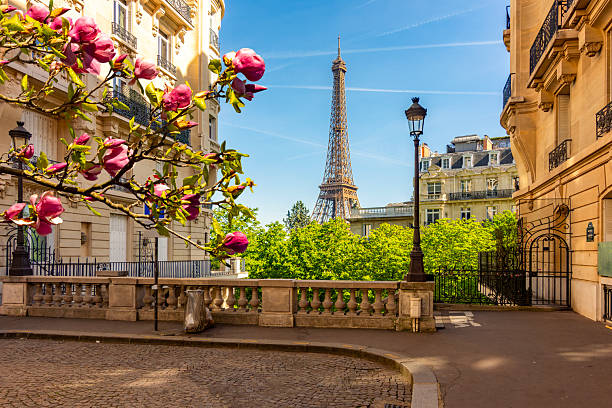
Places to Avoid in Paris
Every major city has areas that fall short of expectations, and Paris is no exception. These ten locations consistently disappoint visitors or present challenges that can turn a dream vacation into a stressful experience.
1. The Champs-Élysées for Dining
Walking down the Champs-Élysées feels incredible. The wide boulevard, the Arc de Triomphe in the distance, the energy of people from every corner of the globe—it’s intoxicating. That feeling should stay exactly there, on the walk itself.
The moment you sit down at one of those sidewalk cafés lining the avenue, reality hits hard. You’ll pay €8 for an espresso that tastes like it came from a gas station. A basic sandwich runs €15-18, and a sit-down meal can easily exceed €40 per person for food that wouldn’t impress you at a suburban chain restaurant. The waiters know you’re unlikely to return, so service ranges from indifferent to borderline hostile.
Here’s the thing: you’re paying for the address, not the quality. Those high rents get passed directly to you, and the restaurants know tourists will keep coming regardless of what they serve. I watched a family order four “traditional French meals” that arrived looking like they’d been reheated in a microwave. They paid over €150 for that privilege.
Instead, walk a few blocks away from the main drag. Rue de Ponthieu or Rue Jean Mermoz sit just parallel to the Champs-Élysées, and you’ll find actual Parisians eating lunch at places where the food quality matches what you’d expect from this city. Your meal will cost half as much and taste twice as good.
2. The Area Around Gare du Nord After Dark
Gare du Nord serves as a major transportation hub, and during daylight hours with crowds around, it functions fine. You’ll probably pass through here at some point if you’re taking the Eurostar or heading to the airport.
Once evening hits, though, the energy shifts. The surrounding streets—particularly to the north and east of the station—see frequent pickpocketing, aggressive panhandling, and scams targeting travelers with luggage. I’ve seen people surrounded by groups asking for signatures on petitions (a classic distraction technique while someone else goes through your bags) or offering to help with tickets at the machines (then demanding payment afterward).
The poorly lit areas behind the station have been sites of assaults, especially targeting solo travelers. Police presence exists, but can’t cover every corner, and response times aren’t always quick. If your train arrives late or you have an early morning departure, you’ll find yourself in an area that feels unwelcoming at best and genuinely unsafe at worst.
Your best approach: if you must be here during evening hours, stay inside the station until the last possible moment. Book accommodations in better neighborhoods like the Marais or the Latin Quarter. If you’re arriving late, arrange a taxi or Uber pickup directly from inside the station rather than walking to find one. Keep your belongings close, your phone put away, and your attention sharp. This isn’t a place to linger.
3. Les Halles Shopping Complex
Les Halles underwent a massive renovation that cost over a billion euros, and somehow they managed to create something that disappoints almost everyone who visits. The complex sits in central Paris, easily accessible by metro, which makes it tempting for shopping.
What you actually get: a mall that could exist in any mid-sized city anywhere in the Western hemisphere. The same chain stores you have at home, the same fast food restaurants, the same generic atmosphere. The architecture, despite all that money, feels cold and uninviting. The underground portions create this disorienting maze where natural light never reaches, and the air feels stale.
Beyond the generic disappointment, the area attracts pickpockets who work the crowds. The exits and entrances create natural bottlenecks where thieves can bump into you, apologize, and walk away with your wallet. Security exists, but they’re managing a huge space with multiple levels and countless people flowing through.
The food court charges premium prices for mediocre meals. You’ll pay €12-15 for something you’d get for €7 at a better location ten minutes away. The crowds during lunch and weekends make even simple tasks like finding a place to sit feel like a competition.
If you need to shop, head to Le Marais instead. You’ll find unique boutiques, vintage shops, and stores selling items you can’t find elsewhere. The neighborhood itself offers architectural beauty, great food options, and an atmosphere that actually feels Parisian. That’s worth your time. Les Halles isn’t.
4. The Trocadéro Esplanade (For Extended Time)
Everyone needs their Eiffel Tower photo, and Trocadéro offers the best vantage point. You’ll get your shot with the full tower in frame, the fountains adding visual interest, and enough distance to capture the whole structure without neck strain. Take your photos here, absolutely.
But leave quickly. That’s the advice tour guides give their groups, and you should follow it.
The moment you arrive, you’ll encounter people selling trinkets, pushing champagne bottles at inflated prices, or running various scams. The bracelet scam runs particularly strongly here—someone ties a “friendship bracelet” on your wrist before you can refuse, then demands €20 for it. If you don’t pay, they can become aggressive or threaten to call over friends.
Pickpockets work this area systematically because everyone’s distracted by the view and taking photos. Your attention goes to your camera and the tower, which is exactly when someone slips a hand into your bag or pocket. Groups work together, with one person creating a distraction while others do the actual stealing.
After dark, unlicensed sellers blanket the area with light-up Eiffel Tower toys and cheap souvenirs spread on blankets. They’re usually friendly enough, but when police approach, they grab their blankets and run—sometimes directly through crowds of tourists. I’ve seen elderly visitors knocked over in these scrambles.
Get your photos during golden hour for the best light. Then walk down to the Seine, cross over, and find a café in the 7th arrondissement. You’ll still see the tower from different angles, but you’ll be sitting with actual Parisians in a space that doesn’t feel like a pressure cooker of tourist extraction schemes.
5. Montmartre’s Place du Tertre for Portrait Artists
The romance of having an artist sketch your portrait in the shadow of Sacré-Cœur sounds perfect. You’re in the historic artists’ quarter where Picasso and Van Gogh once worked. How could this not be authentic?
Reality check: these aren’t starving artists creating genuine work. This is an assembly line tourist operation. The “artists” work from photos, produce generic results, and charge outrageous prices. A simple portrait starts at €50-80 and can escalate to €150+ if you’re not careful about agreeing to prices upfront.
The quality varies wildly. Some can draw reasonably well, but many produce work that looks like a high schooler’s art project. You’re not getting something unique or special—you’re getting a product designed to separate tourists from their money as efficiently as possible.
These artists can be pushy. They’ll compliment you, insist you have “perfect features for drawing,” and try to get you seated before you’ve agreed to anything. Then they start working and present you with a done portrait and a bill. Refusing to pay after they’ve “completed” the work creates uncomfortable confrontations.
The square itself gets overcrowded, with aggressive restaurant touts trying to pull you into overpriced bistros with underwhelming food. The whole area feels manufactured for tourism rather than representing anything authentic about artistic Paris.
Instead, visit Place du Tertre early in the morning before 9 AM. You’ll see the square without the crowds, get your photos of the charming buildings, and avoid the hassle. For actual art, check out the small galleries in the streets leading up the hill—Rue Lepic and Rue des Abbesses have shops selling work from contemporary Parisian artists at fair prices.
6. The Moulin Rouge Neighborhood’s Red Light District
The Moulin Rouge itself is a legitimate show if that’s your thing. But the Pigalle neighborhood surrounding it has sections you’ll want to skip entirely, particularly along Boulevard de Clichy and the side streets branching off.
This red light district operates semi-openly, with aggressive barkers outside sex shops and clubs. They’ll try to pull you inside with promises of “just one drink” that turns into massive bills. The classic scam involves friendly conversation, attractive staff encouraging you to buy drinks, then presenting you with a bill for €200-300 for two watered-down cocktails. When you protest, security appears.
Beyond the clubs, the streets can feel threatening after dark. Drunken crowds, drug dealing in doorways, and a general atmosphere that doesn’t feel welcoming, especially for women or families. The area sees its share of petty crime—bag snatchings, phone thefts, and pickpocketing.
Some parts of Pigalle have gentrified nicely. SoPi (South Pigalle) has excellent restaurants and cocktail bars. Rue des Martyrs offers fantastic food shopping and cafés. These streets sit just slightly removed from the seedier sections and maintain a completely different character.
Know where you’re going in this neighborhood. If you’re heading to Moulin Rouge, take a direct route from the metro station, watch the show, and leave immediately after. Don’t wander the side streets exploring. If someone tries to pull you into a club, keep walking and don’t make eye contact. This isn’t the charming Parisian neighborhood experience you’re looking for—that exists elsewhere.
7. Overpriced Tourist Restaurants Near Major Monuments
Within a two-block radius of every famous Parisian monument, you’ll find restaurants displaying menus in six languages with photos of the food. These places exist solely to capture tourists who are tired, hungry, and don’t want to walk further.
The food ranges from mediocre to actively bad. Frozen ingredients, microwave preparation, and zero attention to quality because the restaurant knows you’ll never return. A three-course meal runs €35-50 per person, and you’ll leave feeling like you were robbed.
The service matches the food quality. Waiters rush you through meals, showing obvious disinterest in your experience. They’re processing volume, not creating memorable dining. Tips don’t improve attitudes because these places often pool tips or work on salary structures where individual service doesn’t matter.
I watched a family near Notre-Dame order “traditional French onion soup” that arrived in less than three minutes—obviously reheated from a can. Their entrees came from the kitchen so quickly there’s no way anything was made to order. The bill exceeded €180 for four people who could have eaten far better for €100 at a real bistro ten minutes away.
Here’s your rule: never eat at the first restaurant you see after leaving a major attraction. Walk at least five blocks, preferably in a direction away from the monument. Look for places where the menu is primarily in French, where you see locals eating, and where there are no photos of the food. Check reviews quickly on your phone. Even just fifteen minutes of walking will take you from tourist extraction zones to neighborhoods where restaurants must compete on quality because Parisians have choices.
8. The Bois de Boulogne After Dusk
During daytime, Bois de Boulogne offers pleasant walking paths, gardens, and rowing on the lake. Families picnic here, runners use the trails, and it feels like a proper park where you’d want to spend an afternoon.
Everything changes when the sun sets. The park becomes a known area for prostitution, with activity concentrated along certain roads where cars circulate slowly. Drug transactions happen in the more secluded areas. Groups of people gather in ways that feel menacing if you’re just trying to walk through.
The park is massive—over 2,000 acres—which means security can’t monitor everywhere. The tree cover and lack of lighting create numerous dark areas where criminal activity happens regularly. Assaults, robberies, and worse occur here with enough frequency that local authorities actively warn tourists to stay away after dark.
Even arriving at dusk can put you at risk. The transition period between day and night sees the legitimate park users leaving while the evening crowd arrives. You don’t want to be caught between these two groups as the energy shifts.
If you want a park experience, visit during the day and leave before 6 PM. Luxembourg Gardens offers a smaller, safer, more beautiful alternative that closes at dusk. Parc des Buttes-Chaumont provides gorgeous views and interesting landscape features in a neighborhood setting where you’ll feel comfortable even in early evening.
9. Châtelet-Les Halles Metro Station Complex
As one of the busiest metro interchanges in Paris, Châtelet-Les Halles connects multiple lines and sees hundreds of thousands of passengers daily. That volume creates the perfect environment for theft and scams.
The station sprawls across multiple levels with confusing signage even for regular commuters. You’ll find yourself walking through seemingly endless corridors, taking escalators that go nowhere useful, and constantly checking maps to find your correct platform. This disorientation makes you vulnerable.
Pickpockets work these corridors systematically. They target tourists with luggage, people checking phones for directions, and anyone who looks lost. The classic moves happen here—the bump and grab, groups surrounding you while one person goes through your pockets, or someone “helping” you with a ticket machine while an accomplice steals from your bag.
The station’s population includes aggressive panhandlers and people with mental health issues who sometimes become confrontational. The sheer number of people means you can’t always avoid close contact, and personal space disappears during rush hours.
If your route requires changing lines here, plan extra time and keep your belongings secured. Wear your backpack in front. Keep your phone in your hand or zipped pocket, not loosely in a coat. Stay aware of people around you, especially if you stop to check a map. If possible, plan your metro routes to avoid this station entirely—sometimes taking one extra stop and walking adds only ten minutes but removes significant stress and risk.
10. Certain Areas of the 18th, 19th, and 20th Arrondissements
Northern and northeastern Paris contain working-class neighborhoods that rarely appear in guidebooks, and there’s good reason for that selective coverage.
Parts of the 18th arrondissement beyond tourist Montmartre, sections of the 19th near Stalingrad metro, and eastern portions of the 20th have higher crime rates and can feel unwelcoming to visitors. These aren’t charming neighborhoods waiting to be discovered—they’re areas where locals face genuine challenges with safety, unemployment, and social services.
The streets lack the architectural beauty you expect from Paris. Graffiti covers buildings, trash accumulates in corners, and the general atmosphere feels depressed rather than romantic. You won’t find cute cafés or interesting shops. You’ll find phone stores, cheap convenience stores, and shuttered businesses.
Some areas near Barbès-Rochechouart have open-air markets that get recommended for “authentic Paris,” but they come with aggressive salespeople, goods of questionable origin, and constant vigilance required for your belongings. The nearby streets have become known for drug dealing and associated problems.
This doesn’t mean these entire arrondissements should be avoided. Parc de Belleville offers stunning views. Rue Oberkampf has excellent nightlife. Canal Saint-Martin attracts young Parisians for picnics and drinks. But you need to research specific streets and areas rather than wandering these neighborhoods randomly.
Stick to well-reviewed destinations in these arrondissements. Travel during daylight hours. Use Uber or taxis rather than walking through unfamiliar streets. Save your exploratory wandering for central Paris where streets are safer and more tourist-friendly.
Wrapping Up
Paris genuinely deserves its reputation as one of the most beautiful cities on Earth. The Seine at sunset, fresh croissants from a neighborhood bakery, the way light hits those cream-colored buildings in the morning—these experiences are real and worth the trip.
You just need to be smart about where you spend your time. The places on this list won’t enhance your experience, and several could actively damage it. Stick to neighborhoods where Parisians actually live and spend their time, eat where they eat, and shop where they shop. That’s how you find the Paris that lives up to the dream.
Your trip is short and your money matters. Spend both wisely on the parts of Paris that earned this city its legendary status. Those places exist everywhere here, just steps away from the tourist traps that don’t deserve your attention.


