Antigua is stunning. The beaches look like postcards, the water sparkles in about fifty shades of blue, and the locals will greet you with genuine warmth. But here’s something most travel guides won’t tell you straight up: not every corner of this Caribbean paradise deserves your time or money.
You’ve saved for this trip. You’ve blocked off your calendar, packed your best swimsuit, and you’re ready for that perfect island experience. The last thing you need is to waste precious vacation hours in places that’ll leave you frustrated, disappointed, or worse, unsafe.
So let’s talk honestly about where you shouldn’t go. This isn’t about scaring you off—it’s about making sure you spend your time at the places that actually matter.
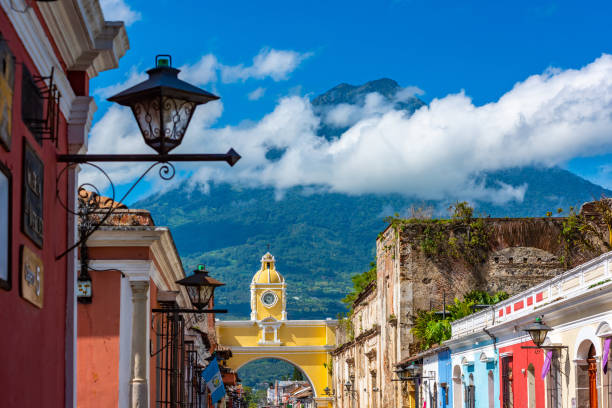
Places to Avoid in Antigua
Every destination has its rough edges, and Antigua is no different. Here are ten spots you’ll want to skip so you can focus on the genuinely amazing parts of the island.
1. Point Wharf Area After Dark
Point Wharf serves a purpose during daylight hours. It’s functional, it’s busy, and it gets the job done as a commercial port. But once the sun sets, this area transforms into something entirely different. The lighting is poor, the foot traffic drops to nearly zero, and you’re left walking through an industrial zone that feels isolated and unwelcoming.
Your hotel concierge won’t advertise this, but locals will tell you the same thing. This isn’t where you want to be taking evening strolls. Crime rates spike in poorly lit port areas across the Caribbean, and Point Wharf follows that unfortunate pattern. Several travelers have reported uncomfortable encounters here after 7 PM, from aggressive panhandling to more serious safety concerns.
If you need to be in this area for some reason, stick to daytime hours. Even then, keep your valuables tucked away and your awareness level high. There’s literally nothing here worth seeing anyway—no charming restaurants, no scenic views, nothing that warrants the risk. Save your evenings for places like English Harbour or Jolly Harbour where you can actually relax and enjoy yourself without constantly looking over your shoulder.
2. Heritage Quay During Cruise Ship Rush
Heritage Quay looks inviting in photos. The colorful storefronts promise authentic Caribbean shopping, and the location right off the cruise terminal seems convenient. But step off a ship on a busy day and you’ll understand why seasoned travelers avoid this place like it’s selling timeshares.
The crowds are suffocating. You’ll be shoulder-to-shoulder with thousands of other cruise passengers, all trying to cram their shopping into a four-hour port stop. Vendors become aggressive because they’re competing for the same tourist dollars. Prices magically inflate the moment they spot your cruise ship lanyard.
Want to know the real kicker? Most of what’s sold here isn’t even made in Antigua. Those “local crafts” often come from China or other mass-production centers. You can find the exact same items on Amazon for half the price. The authentic Antiguan experience you’re looking for doesn’t exist in this manufactured tourist bubble.
If your cruise stops in Antigua, skip Heritage Quay entirely. Grab a taxi and head to St. John’s Public Market instead, or better yet, venture out to one of the island’s actual attractions. Your time is limited—don’t waste it in what’s essentially an outdoor mall designed to extract maximum cash from minimum time.
3. Abandoned Sugar Mill Ruins (Unguided)
Sugar mill ruins dot Antigua’s landscape, silent reminders of the island’s complicated colonial past. They’re hauntingly beautiful in photographs, and that makes them tempting to explore on your own. Don’t.
These structures are old. We’re talking centuries old, with zero maintenance and zero safety standards. The floors have given way, walls are crumbling, and nature is actively reclaiming everything. What looks stable from the outside might collapse under your weight. Hidden holes, rusty nails, unstable stonework—these ruins are accident magnets.
Beyond the physical dangers, you’re missing the context that makes these sites meaningful. Without a guide explaining the history, you’re essentially just trespassing on decaying property. Several of these mills sit on private land, which means you could face legal issues on top of physical ones. Local property owners aren’t always understanding about tourists wandering onto their property for Instagram photos.
Book a proper heritage tour if you’re interested in Antigua’s sugar mill history. You’ll visit stabilized sites with knowledgeable guides who can tell you stories these stones could never convey on their own. That’s how you turn curiosity into actual understanding rather than just another selfie backdrop.
4. Offshore Reef Areas Without Local Knowledge
Antigua’s reefs are spectacular. The coral formations teem with tropical fish, sea turtles glide past like they’re flying underwater, and the visibility makes you feel like you’re swimming through an aquarium. But venturing out to reef areas without local guidance is genuinely dangerous, no matter how confident a swimmer you are.
Currents shift fast around coral formations. What looks calm on the surface can hide powerful undertows that pull you away from shore before you realize what’s happening. Every year, rescue teams respond to calls from tourists who underestimated these waters. Some of those calls don’t have happy endings.
Then there’s the reef itself. Touching coral damages it—but more immediately, coral can damage you. Fire coral burns, sea urchins hide in crevices, and certain fish species defend their territory aggressively. If you don’t know what you’re looking at, you’re playing a game where the house always wins.
Book snorkeling or diving trips through established operators. They know which reefs are safe for which skill levels, they track current conditions, and they carry safety equipment. The cost is worth it. Your travel insurance policy probably requires it anyway, because they know the statistics too.
5. Overpriced Beach Bars on Runaway Bay
Runaway Bay has lovely sand and decent swimming. But the beach bars lining this strip have figured out they can charge cruise ship prices for mediocre experiences. You’ll pay $15 for a rum punch that costs $5 literally everywhere else on the island. Lunch runs $40-50 per person for food you could buy better and cheaper at a local spot five minutes away.
These establishments bank on tourist ignorance. They position themselves as “beachfront dining experiences” when really, you’re paying premium prices to eat reheated frozen appetizers under a thatched roof. The chairs are worn, the service is rushed, and the Wi-Fi they advertise never actually works.
Local Antiguans don’t eat at these places. That should tell you everything. They’ll recommend spots like Papa Zouk Fish Fry or Dennis’s Barbecue instead—actual restaurants where the food is fresh, the portions are generous, and the prices reflect reality rather than someone’s inflated idea of what tourists will tolerate.
Pack a cooler and enjoy the beach itself if you like Runaway Bay’s location. Or grab food from a local spot before you arrive. Your wallet will thank you, and honestly, the food will taste better anyway.
6. Parham Town at Night
Parham sits on Antigua’s north coast, serving as a quiet residential area that sees little tourist traffic. During daylight hours, it’s perfectly fine—locals go about their business, a few shops operate, life moves at that slow Caribbean pace. But nighttime is different.
The town essentially shuts down after dark. Street lighting is minimal to nonexistent in many areas. There’s no real reason for tourists to be here anyway, no restaurants or attractions that warrant a visit, but people sometimes end up here by accident when GPS takes them on unexpected routes.
Travelers who’ve found themselves in Parham after sunset describe it as unsettling. Not because anything specific happened, but because you’re clearly somewhere you don’t belong, somewhere that feels forgotten by tourism infrastructure. Getting help if something goes wrong becomes complicated when you’re in a residential area where everyone’s inside for the night.
Stick to more developed areas for evening activities. If you’re driving and realize you’ve ended up in Parham after dark, just keep moving toward your actual destination. There’s nothing to stop for, nothing to see, and no benefit to lingering.
7. Isolated East Coast Beaches Alone
Antigua’s east coast is rugged and beautiful. The Atlantic crashes against pink sand beaches with far less development than the western shore. It’s tempting to seek out these hidden spots for that private beach experience. But going alone is risky, especially if you’re not a local.
These beaches are isolated for a reason. The waves are rougher, the currents are stronger, and the undertow can be treacherous. Signs warning against swimming aren’t suggestions—they’re based on actual drowning statistics. Cell service gets spotty in these areas too, which means calling for help becomes problematic if something goes wrong.
Personal safety extends beyond water conditions. Remote areas anywhere in the Caribbean present higher risks for theft or worse. Without other people around, you’re vulnerable. Several travelers have reported feeling unsafe after realizing they were completely alone on these isolated stretches.
If you want to experience east coast beaches, go during peak hours when local families are out, or book a tour that includes them in the itinerary. Half Moon Bay offers that Atlantic beauty with better safety infrastructure. You can still get your photo without putting yourself in unnecessary danger.
8. Unregulated Water Sport Operators on Popular Beaches
Popular beaches attract water sport vendors like magnets. They’ll approach you repeatedly offering jet ski rentals, parasailing, banana boat rides—the whole menu. Some are legitimate businesses operating with proper insurance and safety standards. Others are guys with equipment and zero accountability.
The unregulated operators undercut legitimate prices for a reason. They’re skipping insurance, skipping maintenance, skipping safety briefings, skipping everything that costs money or time. When accidents happen—and they do—you’re left dealing with injuries and zero recourse. Your travel insurance might not cover activities with unlicensed operators either.
You can spot the difference pretty easily. Legitimate operators have proper signage, business cards, insurance information they’ll show you, and equipment that’s well-maintained. The sketchy ones operate off handshake deals and cash payments with no paperwork trail. If someone can’t provide a business name and contact information, that’s your sign to walk away.
Ask your hotel for recommendations on water sport operators they work with regularly. The convenience of booking on the beach isn’t worth the risk of getting hurt on poorly maintained equipment with no legal protection. Saving $20 on a jet ski rental stops feeling smart when you’re dealing with a hospital visit.
9. “Authentic Experience” Tours Booked Through Random Vendors
Street vendors will approach you everywhere in tourist areas, offering “authentic local experiences” and “real Antigua tours” at prices that seem too good to be true. That’s because they usually are. These aren’t licensed tour operators with established businesses—they’re individuals trying to make money off your desire for authentic experiences.
The tours themselves range from disappointing to potentially dangerous. You might pay for a “local village experience” and end up at someone’s cousin’s house where they try to sell you stuff. Or you book a “secret beach tour” that takes you to a public beach everyone knows about. Safety standards don’t exist, vehicles often aren’t properly insured, and your recourse if something goes wrong is basically zero.
One couple reported paying for a “rainforest hike” that turned out to be a walk through someone’s overgrown property, ending with aggressive sales pitches for handmade crafts. Another traveler booked a “fishing village tour” and was taken to a residential neighborhood where residents seemed confused and annoyed by the intrusion.
Use established tour companies with online presence, reviews, and proper licensing. They cost more because they’re actually operating legitimate businesses with overhead, insurance, and accountability. The authentic experiences you’re seeking don’t come from random street deals—they come from respectful, well-organized interactions facilitated by people who actually know what they’re doing.
10. Certain ATMs After Business Hours
You’ll need cash in Antigua for tips, small vendors, and places that don’t accept cards. But choosing which ATM to use and when requires some thought. Standalone ATMs in isolated locations become targets for skimming devices and worse after business hours.
Thieves know tourists hit ATMs for cash, making certain machines hotspots for crime. Using an ATM outside a closed business at night makes you vulnerable to robbery. You’re distracted, pulling out money, potentially alone—everything criminals look for. Several tourists have reported being targeted immediately after withdrawing cash from poorly located machines.
Stick to ATMs inside or directly outside major banks during business hours when security and foot traffic are present. The Royal Bank of Canada and First Caribbean International Bank locations in St. John’s offer safer withdrawal environments. Your hotel can also typically exchange currency or provide cash advances on credit cards in secure settings.
If you must use an ATM after dark, choose one in a well-lit, populated area like inside a large resort or near busy restaurants. Better yet, withdraw enough cash during daylight hours to cover your needs. The inconvenience of planning ahead beats the very real possibility of becoming a crime victim.
Wrapping Up
Antigua deserves your vacation time. The island offers incredible experiences, from sailing around pristine coastlines to exploring historic sites that tell powerful stories. But making the most of your trip means knowing where to spend your energy and where to save it.
Skip the places that’ll frustrate you, scare you, or empty your wallet for nothing in return. Focus instead on the beaches that actually deliver, the restaurants where locals eat, the tours run by people who care about your experience. That’s how you come home with stories worth telling, not complaints about what went wrong.
Your time in Antigua is limited. Make every hour count by avoiding the spots that simply aren’t worth your attention.