Bali has this reputation as paradise on earth, and honestly, much of it lives up to the hype. The rice terraces really do glow green in the morning light. The temples actually take your breath away. But here’s what nobody tells you before you book that ticket: some corners of this island will leave you frustrated, wallet-lighter, and wondering why you didn’t do more research.
I’ve spent enough time on this island to know which spots deserve your precious vacation days and which ones are best left off your itinerary. You’ll find travel blogs gushing about every single beach and temple, but that’s not doing you any favors. Your time matters, and so does your experience.
Let me save you from the mistakes I made (and watched countless others make). These are the places that promise magic but deliver disappointment, where the crowds crush the charm, or where you’ll end up feeling like a walking ATM rather than a traveler.
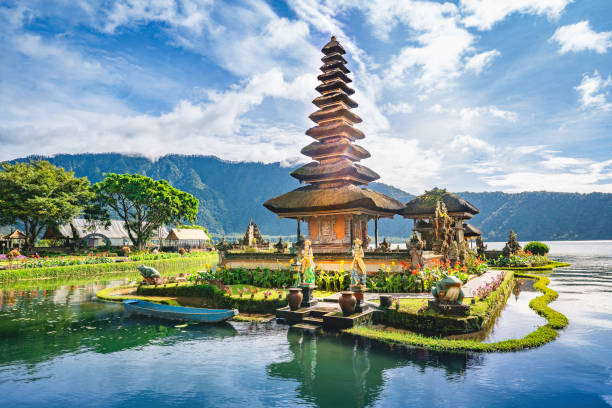
Places to Avoid in Bali
Not every corner of this island deserves a spot on your map. Here are the places you should skip so you can spend more time enjoying the Bali that actually delivers on its promises.
1. Kuta Beach (Yes, Really)
Kuta Beach is where most people land their first day in Bali, and that’s exactly the problem. This strip of sand has become a chaotic mess of aggressive vendors, surf touts, and trash washing up between the sunbathers. You can’t walk ten steps without someone trying to sell you braids, massages, sarongs, or whatever else they’re hawking that day.
The beach itself? It’s fine. Just fine. The sand is brown, the water gets murky, and you’ll be dodging garbage while trying to find a spot that isn’t already claimed by another tourist. What really kills the vibe is the constant hustle. Picture trying to relax while someone’s fifth “massage, massage” sales pitch interrupts your attempted zen moment.
Sure, the surf can be decent for beginners, and yes, the sunsets still happen. But you’ll be watching that sunset surrounded by hundreds of others doing the same thing, all while vendors continue their relentless approach. Bali has dozens of better beaches where you can actually hear the waves instead of the sales pitches. Head south to Balangan or north to Amed if you want actual peace. Your stress levels will thank you for skipping this tourist trap entirely.
2. Tanah Lot at Peak Hours
This temple, sitting on a rock formation off the coast, is stunning in photos. You’ve probably seen it a hundred times on Instagram, looking mystical and serene. That image has absolutely nothing to do with the reality of visiting during the day.
What they don’t show you: the massive parking lot packed with tour buses, the gauntlet of souvenir stalls you’re forced through before even glimpsing the temple, and the shoulder-to-shoulder crowds jostling for the same photo spot. I watched people literally wait in line to take their turn at the designated Instagram spots. The whole experience feels more like a theme park than a sacred site.
The temple itself becomes almost an afterthought when you’re fighting through crowds and getting hassled by vendors every few seconds. Plus, you can’t even go inside the temple unless you’re Balinese Hindu, so you’re basically paying to look at it from a distance while surrounded by chaos.
If you absolutely must go, arrive at sunrise. The tour groups haven’t arrived yet, the vendors are still setting up, and you might actually experience a moment of that mystical beauty the photos promise. Otherwise, there are hundreds of other temples across Bali where you can have an authentic experience without the circus atmosphere.
3. Monkey Forest in Ubud (If You Value Your Belongings)
Everyone says you have to visit the monkeys. They’re cute, they’re funny, they’re everywhere in the marketing materials. Here’s what they don’t mention: these monkeys are basically tiny, furry thieves who’ve perfected the art of the snatch-and-grab.
I watched a monkey leap onto a woman’s shoulder, rip her glasses off her face, and climb up a tree with them. The “helpful” staff told her she’d need to buy bananas to trade for her glasses back. That’s not a nature experience, that’s a shakedown. These animals have been fed by tourists for so long that they’ve lost their natural fear and gained some seriously aggressive habits.
Your sunglasses, your phone, your water bottle, even your hat—anything the monkeys think might be edible or tradeable is fair game. They’ve learned that humans will pay (in bananas or money) to get their stuff back. The forest itself is pretty but small, and you’ll spend the entire walk on high alert, clutching your belongings while trying to enjoy the scenery. That’s not relaxing, and it’s definitely not worth the entry fee.
Want to see monkeys in a more natural setting? Head to the less-touristy temples around the island where monkeys still live but haven’t been turned into opportunistic pickpockets by decades of tourist feeding.
4. Seminyak’s Beach Clubs (Unless You Enjoy Overpriced Everything)
Seminyak sells itself as upscale Bali, and the beach clubs there certainly have the prices to match. You’ll pay Los Angeles or Miami rates for drinks while sitting on rented beach cushions, and the music is usually so loud you can’t have a conversation anyway.
A single cocktail will run you $15-20, minimum spend requirements can hit $50-100 per person, and the vibe is less “tropical paradise” and more “trying too hard to be Ibiza.” You’re basically paying premium prices to be in a scene rather than experience Bali. The crowd tends to be more interested in getting Instagram content than actually enjoying where they are.
Here’s the thing that really gets me: you’re literally sitting on a beach. The same beach that extends for miles in both directions, free for anyone to enjoy. But you’re trapped in this expensive bubble because you paid for the privilege. The beach clubs count on you feeling obligated to stay once you’ve committed to their minimum spend.
Want beachside drinks with a view? Dozens of local warungs up and down Bali’s coasts will serve you fresh coconuts, cold Bintangs, and actual Indonesian food at a fraction of the price. You’ll get a more authentic experience, better value, and you won’t feel like you’re in a nightclub at 2pm. Save your money for experiences that actually matter.
5. Nusa Dua’s Tourist Bubble
Nusa Dua was designed as a resort enclave, and it shows. Gated resorts line perfectly manicured beaches, everything is sanitized and safe, and you could honestly be anywhere in the world. That’s exactly the problem if you came to Bali to experience, well, Bali.
The local culture has been polished right out of this area. You’ll eat international buffets, shop at familiar chains, and interact mainly with resort staff who’ve been trained to provide a homogenized tourist experience. It’s comfortable and predictable, which means it’s also boring and disconnected from the actual island you traveled thousands of miles to visit.
Getting out of Nusa Dua to see anything real means dealing with expensive taxis since the resorts are deliberately isolated. You’re trapped in this bubble unless you’re willing to pay extra to escape it. Many visitors end up never leaving because it’s easier to stay in the comfortable resort environment, which means they miss everything that makes Bali special.
If you want beaches and resorts, Canggu or Sanur give you those amenities while still keeping you connected to actual Balinese life. You’ll have real restaurants nearby, local markets, and a sense that you’re actually somewhere specific rather than just somewhere expensive.
6. The Swing Attractions (All of Them)
Those Instagram photos of people swinging over jungle valleys look incredible. That’s because they’re carefully staged, heavily edited, and shot from specific angles that hide what’s really going on. What you don’t see: the dozens of other tourists waiting in line for their turn, the photographers barking instructions, and the industrial-looking swing setup that gets cropped out of the final image.
You’ll pay $20-35 for maybe fifteen minutes of swing time, most of which is spent waiting while the staff position you just right for the photos. They’ll take hundreds of shots on your phone or camera, and yes, a few might turn out looking magical. But you’ll know the truth—that you waited in a parking lot, walked past gift shops, and essentially paid for a photo shoot rather than an experience.
These swings have popped up everywhere now, each claiming to be the best or most scenic. They’re all pretty much the same: manufactured experiences designed to extract money from Instagram ambitions. The irony is that Bali is filled with genuinely beautiful spots where you could take amazing photos for free, without the crowds and staging.
If you want that aerial jungle photo, consider a sunrise hike to one of the volcanic viewpoints or visit an actual rice terrace at dawn. You’ll get authentic beauty instead of manufactured content, and your photos will actually mean something beyond likes.
7. Padang Padang Beach on Cruise Ship Days
This small beach got famous after appearing in “Eat Pray Love,” and it’s been paying the price ever since. On a quiet day, Padang Padang can be absolutely gorgeous. That’s not the day you’ll visit if you show up without checking the cruise ship schedule first.
When a cruise docks in Benoa, hundreds of passengers get bused to this tiny beach all at once. The narrow stairway down to the sand becomes a bottleneck, the beach itself turns into a sardine can of humanity, and forget about finding a decent spot to lay your towel. You’ll spend more time navigating around people than actually enjoying the beach.
The small cave entrance that makes this beach unique becomes a frustrating choke point when you’re trying to leave with wet feet and sandy belongings. I’ve seen people literally stuck waiting in the cave for ten minutes while the crowd slowly filters through. That’s not how anyone should spend their beach day.
Check the cruise schedules before you go, or better yet, visit one of the many other beautiful beaches on the Bukit Peninsula. Bingin, Dreamland, or even Balangan give you similar scenery without the cruise ship crush. Your beach experience shouldn’t feel like rush hour.
8. Any Tour Operator Offering Unbelievably Cheap Day Trips
That $15 all-inclusive tour to see dolphins, waterfalls, and temples sounds amazing until you experience the reality. You’ll be crammed into a van with fifteen other people, rushed through each stop with barely enough time for a photo, and deposited at multiple shops where the driver gets a commission on anything you buy.
The itinerary looks packed because it is—unrealistically so. You’ll spend most of the day driving, get maybe fifteen minutes at places that deserve an hour, and end up exhausted and disappointed. The “included lunch” is usually a mediocre buffet at a restaurant that pays the tour company kickbacks. Nothing is actually free, you’re just paying in different ways.
These tours also tend to skip entrance fees by taking you to inferior versions of popular sites or simply not including them in the price once you arrive. Suddenly that bargain tour needs another $40 in “optional” fees to actually see anything worth seeing.
Hire a private driver for about $50-60 for the day and create your own itinerary. You’ll control the timing, skip the shopping stops, eat where you want, and actually enjoy your destinations instead of checking boxes. The small extra cost buys you an entirely different quality of experience.
9. Central Ubud’s Main Drag After 10am
Ubud’s main streets turn into a pedestrian nightmare by mid-morning. Tour groups clog the sidewalks, motorbikes weave through crowds, and the exhaust fumes mix with humidity to create a genuinely unpleasant environment. The shops all sell the same mass-produced “artisan” goods, and prices are inflated because vendors know tourists have limited time and comparison shopping options.
What used to be charming has been buried under aggressive commercialization. You can’t walk fifty feet without being offered transport, massages, tours, or sarongs. The constant hassle wears you down until you’re just trying to get back to your accommodation rather than exploring. This isn’t the peaceful, artistic Ubud that people write about—that exists in the rice fields and villages surrounding the town center.
The restaurants along the main road charge double what you’d pay a few streets over, and the quality often doesn’t justify the premium. You’re paying for location, not excellence, and that location is increasingly unpleasant as overtourism takes its toll.
Visit central Ubud early in the morning if you need to go at all. Before 9am, the streets are relatively quiet, the air is clearer, and you can actually see why people loved this town in the first place. Better yet, base yourself in one of the nearby villages like Penestanan or Sayan and skip the main drag entirely except when absolutely necessary.
10. The “Real” Balinese Cooking Classes in Tourist Areas
Cooking classes have become huge business in Bali, and many promise authentic experiences where you’ll shop at local markets and learn traditional recipes. The reality of most tourist-area classes: you’ll visit a market where your guide has arrangements with specific vendors (who charge tourist prices), prepare dishes that have been simplified for Western palates, and cook in facilities that look traditional but feel staged.
You’re not learning how Balinese people actually cook. You’re learning how to make tourist-friendly approximations that you could probably figure out from a YouTube video. The spice pastes come pre-made, the recipes avoid anything too challenging, and the whole experience has been designed to be comfortable rather than authentic.
The worst part is the price. These classes run $50-80 per person for something that delivers less cultural insight than spending an afternoon in an actual local warung watching the owners cook. You’ll take home a recipe card and some photos, but not much real knowledge.
If you genuinely want to learn Balinese cooking, look for classes run by local families in less touristy villages. They cost less, teach you actual techniques, and give you real interaction with Balinese home cooks. Or simply befriend a homestay owner and offer to help in their kitchen. You’ll learn more in an hour of actual participation than in any staged class.
Wrapping Up
Bali still deserves its reputation as a special place. The magic is absolutely there, but you have to be smart about where you spend your time. These spots I’ve warned you about? They weren’t always tourist traps. Overtourism, commercialization, and the Instagram effect have transformed them from gems into headaches.
Your Bali experience improves dramatically when you skip the obvious and seek out the alternative. For every crowded beach, there’s a quiet one an hour away. For every overpriced beach club, there’s a family warung with better food and genuine hospitality. The island is big enough to avoid the worst of the tourist crush if you make intentional choices.
Plan smarter, research deeper, and don’t be afraid to skip the famous spots everyone says you “must” see. Your best Bali memories will come from the places that haven’t made it onto everyone’s checklist yet.