Baltimore has character. The city offers amazing food, rich history, and neighborhoods that’ll surprise you with their charm. But like any major city, Baltimore has areas where you’ll want to stay alert or skip altogether.
Your safety matters. Whether you’re visiting for the first time or considering a move, knowing which areas to approach with caution helps you make smarter choices about where you spend your time.
This isn’t about spreading fear or writing off entire communities. It’s about giving you the real talk you need to protect yourself and your loved ones while still enjoying everything Baltimore has to offer.
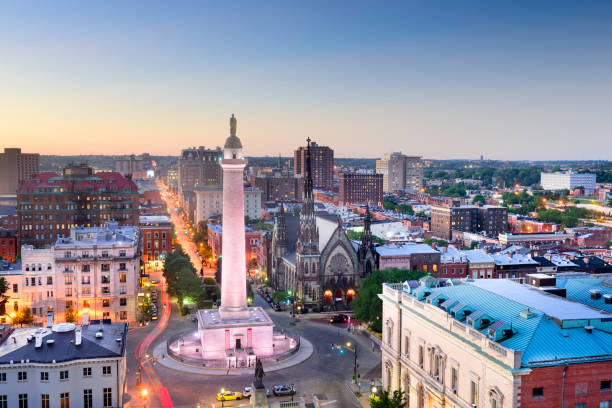
Places to Avoid in Baltimore
Some neighborhoods carry higher risks than others, and the data backs this up. Here’s what you need to know about the areas where crime rates, safety concerns, and on-the-ground realities suggest extra caution.
1. West Baltimore (Sandtown-Winchester and Surrounding Areas)
West Baltimore, particularly around Sandtown-Winchester, consistently ranks among the city’s most challenging neighborhoods. The area has struggled with high poverty rates, abandoned buildings, and significant crime for decades.
You’ll notice the physical decay immediately if you pass through. Boarded-up rowhouses line entire blocks, and the streets feel emptier than other parts of the city. Drug activity happens openly in some areas, and violent crime rates here are among the highest in Baltimore. The neighborhood gained national attention in 2015 after Freddie Gray’s death, which sparked protests and highlighted the area’s deep-seated issues.
If you’re looking for somewhere to stay or explore, this isn’t it. Even driving through requires awareness. Keep your doors locked, don’t stop at red lights longer than necessary (especially after dark), and avoid getting out of your car. Local residents face these challenges daily, but as a visitor or someone unfamiliar with the area, you’re putting yourself at unnecessary risk.
3. Cherry Hill
Cherry Hill sits isolated in South Baltimore, cut off from the rest of the city by geographic barriers. This isolation has contributed to concentrated poverty and crime that makes it one of Baltimore’s most dangerous neighborhoods.
The area sees regular incidents of violent crime, including shootings and robberies. Gang activity is present, and drug-related crimes are common. What makes Cherry Hill particularly concerning is that it functions almost like an island within the city. Getting in and out means limited routes, which can leave you feeling trapped if something goes wrong.
Your GPS might route you through Cherry Hill if you’re heading to certain parts of South Baltimore. Pay attention to your surroundings and consider taking an alternate route, even if it adds time to your trip. The risk-reward calculation here doesn’t favor cutting through to save a few minutes.
2. Park Heights
Park Heights covers a large swath of Northwest Baltimore, and while some pockets are relatively stable, much of the area deals with persistent crime and safety issues. The neighborhood has seen population decline, business closures, and increasing vacancies over the years.
Street crime is a real concern here. Muggings, carjackings, and break-ins happen with troubling frequency. Walking around, especially alone or after dark, puts you at risk. Even during daylight hours, you’ll want to stay aware of your surroundings.
The thing about Park Heights is that it’s big. Some blocks might seem fine, then you turn a corner and the atmosphere shifts completely. Unless you know the area well or have a specific reason to be there, your time is better spent elsewhere. Baltimore has plenty of safer neighborhoods where you can eat, shop, and explore without constantly looking over your shoulder.
4. Downtown Baltimore (Certain Areas After Dark)
Downtown Baltimore transforms when the sun goes down. Areas that buzz with office workers and tourists during business hours can turn sketchy once everyone heads home. The contrast is jarring if you’re not expecting it.
Lexington Street, particularly near the bus terminals, sees a concentration of issues. You’ll encounter aggressive panhandling, open drug use, and people who might make you uncomfortable. The bus stations themselves attract individuals who aren’t there to catch a ride but to prey on travelers who look lost or vulnerable.
West of Charles Street, downtown gets emptier and less safe as evening approaches. The blocks near the highway and rail stations feel deserted, with few eyes on the street to deter crime. Stick to well-lit, populated areas like the Inner Harbor tourist zone if you’re out late. Better yet, take an Uber or rideshare directly to your destination rather than walking through downtown after dark. The money you spend on the ride is worth your peace of mind.
5. Greenmount East
Greenmount East, located in East Baltimore, has struggled with crime for years. The neighborhood sits near some of the city’s most troubled areas, and that proximity shows in the statistics.
You’re looking at high rates of property crime and violence here. Shootings aren’t rare, and drug activity is visible on many corners. The housing stock includes many vacant and deteriorating buildings, which attract illegal activity and make the streets feel even less safe.
If you’re house hunting or apartment searching, keep looking. The lower rents in Greenmount East might tempt you, but the savings aren’t worth the daily stress of living somewhere you don’t feel secure. You deserve to come home without worrying about whether your car will still have its windows or if you’ll hear gunshots during dinner.
6. Penn North
Penn North sits at the intersection of several troubled West Baltimore neighborhoods. The area made headlines during the 2015 unrest, and while some rebuilding efforts have happened, significant challenges remain.
Crime is a daily reality here. The neighborhood sees shootings, robberies, and drug-related incidents regularly. Abandoned properties outnumber occupied ones on some blocks, creating an environment where criminal activity can flourish unchecked.
Walking through Penn North, you’ll feel the tension. It’s in the way people watch passing cars, in the clusters of young men on corners, in the general atmosphere of disinvestment and neglect. This isn’t somewhere to wander around with your phone out or to explore on foot. If you absolutely must be in the area, drive with purpose, keep your valuables out of sight, and don’t linger.
7. Brooklyn and Curtis Bay (Industrial Areas)
Brooklyn and Curtis Bay, located in far South Baltimore, present different concerns than the crime-heavy neighborhoods mentioned earlier. These areas are heavily industrial, with factories, waste facilities, and shipping operations dominating the landscape.
The industrial nature creates isolated stretches where you might not see another person for blocks. That isolation, combined with the maze-like layout of industrial facilities, can leave you vulnerable if your car breaks down or you get lost. At night, these areas feel particularly desolate.
Crime does happen here, though the bigger risks are getting stranded or finding yourself somewhere confusing and unfamiliar. The air quality is also notoriously poor due to industrial emissions. You might notice a chemical smell or see smokestacks releasing fumes. Unless you have business at one of the facilities, there’s no reason to explore these neighborhoods. They’re functional industrial zones, not places to visit or live.
8. Madison Eastend
Madison Eastend, tucked in East Baltimore, deals with many of the same issues plaguing other struggling neighborhoods. High crime rates, vacant properties, and limited economic opportunity create an environment where safety is a constant concern.
The area has a particular problem with violent crime. Shootings and assaults happen frequently enough that residents have learned to adapt their routines around the risk. You shouldn’t have to live that way, and you definitely shouldn’t visit somewhere that requires that level of vigilance.
Drug activity is visible and common throughout Madison Eastend. Open-air markets operate on certain corners, and the conflicts between dealers and users contribute to the violence. As an outsider, you’re not just at risk from criminals. You’re also at risk of being in the wrong place when disputes turn violent or when police operations sweep through.
9. Frankford
Frankford, located in Northeast Baltimore, might surprise you on this list. It’s farther from the city center and doesn’t have the same reputation as West Baltimore neighborhoods. But the statistics tell a clear story about safety concerns.
Property crime is the big issue here. Car break-ins, thefts, and burglaries happen regularly. Your vehicle isn’t safe parked on the street, and even driveways and garages get targeted. The neighborhood has also seen an uptick in violent incidents in recent years.
What makes Frankford tricky is that it sits near some perfectly fine areas. You might be staying or working nearby and think you can easily explore the neighborhood. But unless you know which specific blocks are okay and which to avoid, you’re taking chances. The transitions between safer and riskier areas aren’t always obvious, and you can find yourself somewhere you shouldn’t be before you realize it.
10. Belair-Edison (Certain Sections)
Belair-Edison is another Northeast Baltimore neighborhood with a mixed reputation. Parts of it are stable, working-class blocks where families have lived for generations. Other sections struggle with crime and decline.
The challenge with Belair-Edison is figuring out which parts to avoid. The neighborhood is large and diverse, with conditions varying significantly from block to block. Crime data shows clusters of incidents in certain areas, particularly around commercial corridors where drug activity concentrates.
Your best bet is to research specific addresses before visiting or considering a move. Don’t assume the whole neighborhood is the same. Talk to people who know the area, check recent crime reports, and drive through at different times of day to get a feel for the atmosphere. Belair-Edison requires more homework than simply marking it as safe or unsafe, but that homework is essential if you’re thinking about spending time there.
Wrapping Up
Baltimore deserves better than its reputation suggests, but ignoring reality doesn’t help anyone. These neighborhoods face real challenges, and pretending otherwise could put you in harm’s way.
Your safety strategy should include awareness, not avoidance of the entire city. Stick to well-traveled areas like Fells Point, Canton, Federal Hill, and Mount Vernon. These neighborhoods offer the best of Baltimore without the heightened risks. Visit during daylight hours when possible, stay alert to your surroundings, and trust your instincts if something feels off.
Baltimore has incredible things to offer, from world-class museums to amazing seafood and unique neighborhood character. Enjoy them all while staying smart about where you go and when.