Birmingham, Alabama, has come a long way. The city offers incredible food, rich history, and genuinely kind people. But like any city, it has spots that can leave you frustrated, unsafe, or just plain disappointed.
You’ve probably seen the glossy travel guides that make every neighborhood sound picture-perfect. The truth? Some areas deserve a hard pass, whether due to safety concerns, tourist-trap pricing, or locations that simply aren’t worth your time.
This guide gives you the real talk. No sugarcoating, no fluff—just honest insights so you can make the most of your Birmingham visit without the headaches.
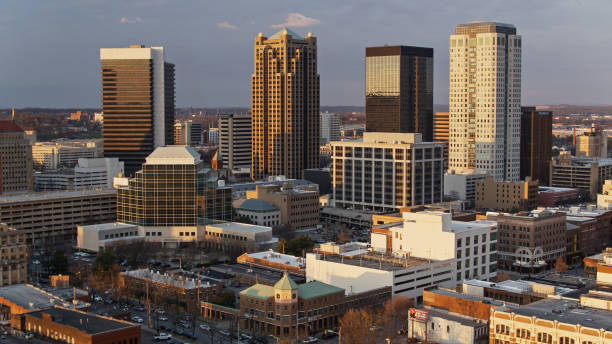
Places to Avoid in Birmingham, Alabama
Before you pack your bags or plan your weekend itinerary, take note of these locations that could put a damper on your experience. Each entry explains exactly why you should steer clear and offers alternatives where possible.
1. Certain Sections of Ensley After Dark
Ensley sits on Birmingham’s west side, and while it has deep historical roots in the city’s steel industry, parts of it struggle with elevated crime rates. Property crime and violent incidents spike after sunset, particularly along Avenue E and the areas surrounding the old Ensley business district.
The empty storefronts with broken windows and overgrown lots tell part of the story. Streetlights are sparse in certain blocks, which makes walking around feel uneasy even if you’re with a group. Local police data consistently flags this area for car break-ins and robberies.
If you’re interested in Birmingham’s industrial history, consider visiting the Sloss Furnaces National Historic Landmark instead. You’ll get the same sense of the city’s steel-making past without the safety concerns that come with exploring Ensley alone at night.
2. Gate City During Evening Hours
Gate City, located east of downtown, has pockets that see regular criminal activity once the sun goes down. Statistics from the Birmingham Police Department show higher-than-average rates of theft and assault in several blocks near the main commercial strip.
During daylight, you might find a few local shops worth browsing. But as evening approaches, foot traffic thins out, and the area takes on a different feel. You’ll notice fewer open businesses and more loitering near vacant buildings.
The smart move here is to complete any errands before 5 p.m. and then head to safer neighborhoods for dinner or entertainment. Avondale, just a short drive away, offers a much more welcoming atmosphere with restaurants and bars that stay busy well into the night.
3. Tourist-Trap Souvenir Shops Near the BJCC
The Birmingham-Jefferson Convention Complex draws crowds for concerts, sports events, and conventions. Naturally, souvenir shops have popped up nearby hoping to capitalize on visitors looking for mementos. The problem? These stores often charge double or triple for items you could find elsewhere.
A keychain that costs two dollars at a normal retail store suddenly costs seven. T-shirts printed with generic “Birmingham” logos—the kind that fade after three washes—go for thirty-five dollars or more. The quality rarely matches the price, and the designs feel lazy.
Your better bet is to shop at local spots like Alabama Goods or What’s on 2nd. These stores stock products made by local artisans at fair prices. You’ll walk away with something you’ll actually want to keep, and you’ll support Birmingham’s small business community in the process.
4. The North Birmingham Industrial Area
North Birmingham carries a troubling legacy. For decades, industrial plants released pollutants that contaminated soil and air in surrounding neighborhoods. While cleanup efforts have been ongoing, health concerns persist. The EPA has designated sections as Superfund sites, meaning contamination levels were serious enough to warrant federal intervention.
Walking or driving through, you’ll see active industrial facilities alongside residential streets. The air has a distinct smell in certain spots—metallic, sharp, and unpleasant. Long-term residents have reported higher rates of respiratory issues and other health problems.
Unless you have specific business there, this area offers nothing for visitors. Skip it entirely. If you’re interested in environmental issues, you can learn about Birmingham’s industrial impact at the Vulcan Park and Museum, which covers the city’s history without exposing you to potential health risks.
5. Overpriced Restaurants in The Summit
The Summit is Birmingham’s upscale shopping destination, and several restaurants there take advantage of the well-heeled clientele. You’ll pay premium prices for portion sizes that leave you checking the menu twice to make sure you ordered an entrée and not an appetizer.
One popular spot charges twenty-eight dollars for a small plate of pasta that would cost half as much at a local Italian restaurant with better flavor. Another serves mediocre steaks at steakhouse-chain prices but with less expertise in the kitchen. The ambiance tries hard with dim lighting and cloth napkins, but the food rarely delivers on the promise.
Birmingham has an exceptional food scene, so don’t waste your dining budget here. Head to neighborhoods like Lakeview, Avondale, or Forest Park for restaurants where chefs pour passion into every dish at prices that won’t make you wince. Highlights include Automatic Seafood and Oysters, The Essential, and Rodney Scott’s BBQ.
6. Fairfield’s Commercial District at Night
Fairfield borders Birmingham to the west and has a commercial corridor that sees significant crime after business hours. Car thefts happen with frustrating regularity in parking lots, and several convenience stores have been targeted by armed robbers.
The street lighting is inadequate, leaving large sections in near-darkness. Several businesses have closed in recent years, leaving empty buildings that attract unwanted activity. Even the gas stations here have thick plexiglass barriers separating cashiers from customers—a sign that tells you something about the area’s struggles.
If you need to pass through Fairfield, do so during daylight and keep your car doors locked. Better yet, use I-20/59 to bypass the area altogether if you’re heading to western suburbs like Bessemer or McCalla.
7. Downtown’s “Dead Zones” After Office Hours
Birmingham’s downtown has seen a genuine revival in recent years, with new restaurants, lofts, and entertainment venues breathing life into old buildings. But certain blocks haven’t caught up. These dead zones—streets lined with vacant office buildings and shuttered storefronts—get eerily quiet once the nine-to-five crowd leaves.
You’ll recognize them by the lack of foot traffic, dim or broken streetlights, and the general sense that nothing is happening. Some of these blocks sit just a street or two away from popular spots, which can catch you off guard if you’re exploring on foot.
The solution is simple: stick to the established corridors. Second Avenue North, Morris Avenue, and the areas around Railroad Park and Regions Field stay active into the evening. These spots have the restaurants, bars, and people-watching that make a downtown visit worthwhile.
8. Unlicensed Food Vendors at Outdoor Events
Birmingham hosts festivals, farmers markets, and outdoor events throughout the year. Most food vendors at these gatherings are licensed, inspected, and completely safe. But unlicensed operators sometimes set up shop nearby, hoping to catch hungry attendees with lower prices.
These setups often involve coolers full of unrefrigerated food, questionable handling practices, and zero accountability if something goes wrong. A cheap hot dog or homemade sandwich might seem like a bargain, but the risk of foodborne illness isn’t worth the few dollars you’ll save.
Stick with vendors who are clearly part of the official event. They’ll have visible permits, professional setups, and typically accept credit cards. If you see someone selling food from a car trunk or a folding table across the street, keep walking.
9. Parking Lots Without Attendants After Events
When concerts or sporting events let out at the BJCC or Protective Stadium, the surrounding parking lots become chaotic. Lots without attendants see higher rates of break-ins during this window because thieves know cars will be unattended for hours.
You’ll find cheaper parking in these unmonitored lots, which is exactly why they attract visitors. But the money you save on parking fees won’t cover the cost of a broken window and stolen belongings. Worse, some of these lots are poorly lit and located on side streets where help isn’t immediately available.
Pay a few extra dollars for a lot with an attendant or, better yet, use the parking decks attached to major venues. The peace of mind is worth it. You’ll walk back to your car under bright lights with security nearby.
10. The “Shortcut” Through West End
GPS apps love to route drivers through West End to shave a few minutes off trips between downtown and western destinations. The problem is that parts of West End have elevated crime rates, and getting stuck at a red light or in traffic puts you in a vulnerable position.
West End has a complicated story. Community organizations are working hard to revitalize the area, and there are genuinely good people trying to make things better. But the progress is slow, and until it catches up, driving through at night—especially on unfamiliar streets—carries risk.
Take the interstate instead. Yes, it might add five minutes to your trip. But you’ll avoid the stress of second-guessing every stop sign, and you won’t accidentally find yourself on a one-way street in a neighborhood you don’t know. Your GPS doesn’t factor in safety, so you need to override it.
Wrapping Up
Birmingham deserves a spot on your travel list. The city’s food scene rivals cities twice its size, the civil rights history is profoundly moving, and the people will make you feel welcome.
That said, visiting with awareness makes all the difference. Avoid the places on this list, trust your instincts, and you’ll have a much better experience. Birmingham has so much to offer—spend your time in the spots that showcase the best of what the city has become.


