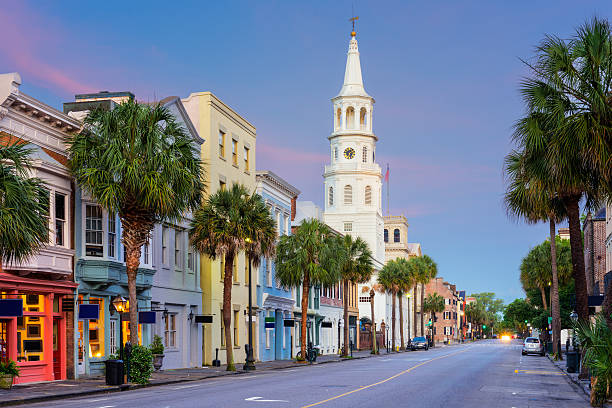
Charleston has a way of getting under your skin. The Spanish moss hanging from live oaks, the smell of shrimp and grits wafting from corner restaurants, the pastel-colored houses lining cobblestone streets—it’s easy to fall hard for this city.
But here’s the thing. Not every spot in Charleston lives up to the hype. Some places will drain your wallet for a mediocre meal. Others will have you standing in line for an hour under the brutal South Carolina sun, only to leave feeling underwhelmed and a little annoyed.
This guide exists to save you from those letdowns. Because your vacation time is precious, and you deserve to spend it at places that actually deliver on their promises.
Places to Avoid in Charleston, SC
Every city has its tourist traps and overhyped attractions, and Charleston is no exception. Here are ten spots you might want to skip—and why your time and money are better spent elsewhere.
1. The Market Street Area During Peak Hours
The Charleston City Market stretches four blocks and has been operating since the 1800s. Sounds promising, right? The reality is different. Between 10 AM and 4 PM, this place becomes almost unbearable.
Picture this: you’re shoulder-to-shoulder with hundreds of other tourists, the air feels thick and sticky, and you’re being jostled by someone’s oversized beach bag every few seconds. The vendors, many of whom sell genuinely beautiful sweetgrass baskets and local crafts, can barely give you the time of day because they’re so overwhelmed.
The prices here run 30-40% higher than what you’d pay at shops just a few blocks away. That “authentic” Charleston souvenir? Flip it over. There’s a good chance it says “Made in China.” If you absolutely must visit, go before 9 AM or after 5 PM when the crowds thin out. Otherwise, head to Upper King Street or the shops on Cannon Street for better deals and a far more pleasant experience.
2. Husk (Yes, Really)
This one might get me in trouble. Husk has been lauded by food critics and appeared on countless “best of” lists. Chef Sean Brock built his reputation here, championing Southern ingredients and heritage cooking techniques.
So why avoid it?
The hype has outgrown the experience. Reservations are notoriously difficult to get—we’re talking weeks in advance. When you finally snag a table, you’re looking at $40-60 entrees that, while well-prepared, aren’t significantly better than what you’ll find at less celebrated restaurants charging half the price. The portions are small, the service can feel rushed, and the atmosphere has grown stiff over the years.
Charleston’s food scene has exploded with talented chefs doing incredible things. Try The Grocery on Cannon Street for farm-to-table done right, or Leon’s Oyster Shop for a more relaxed vibe with outstanding fried chicken. You’ll eat just as well, pay less, and actually enjoy your evening instead of feeling like you’re checking off a box.
3. The Battery During Summer Afternoons
The Battery is gorgeous. Those antebellum mansions overlooking Charleston Harbor, the cannons, the sweeping views—it photographs beautifully. And that’s exactly the problem.
Visit between June and September in the afternoon, and you’ll be competing with tour groups, wedding photo shoots, and families with strollers. The promenade gets so packed that you can’t stop to admire anything without causing a pedestrian traffic jam. The heat radiating off the pavement can push temperatures well above what your phone’s weather app shows.
Worse, there’s no shade. None. You’ll be walking on that exposed waterfront with the sun beating down, and the nearest place to grab a cold drink is several blocks away. Early morning visits (before 8 AM) or evening strolls work much better. You’ll actually hear the water lapping against the seawall instead of a hundred conversations at once.
4. Tourist-Focused Ghost Tours on King Street
Charleston has genuine history, including some dark chapters involving slavery, disease, and disasters. A well-done historical tour can be powerful. What you’ll get from most of the ghost tour companies operating out of the King Street area is something else entirely.
These tours tend to prioritize entertainment over accuracy. Guides embellish stories or repeat urban legends that locals have debunked years ago. You’ll stand outside buildings hearing tales that may or may not have any basis in fact, surrounded by other groups from competing tour companies doing the same thing.
At $25-35 per person, it’s not a great value. The Preservation Society of Charleston and the Historic Charleston Foundation offer walking tours led by trained historians who can tell you true stories far more interesting than made-up ghost sightings. The actual history of this city is compelling enough—you don’t need fiction dressed up as fact.
5. Folly Beach on Weekends
Folly Beach sits about 20 minutes from downtown Charleston, and it’s a perfectly fine beach. The sand is decent, the waves are good for boogie boarding, and the pier offers nice views.
But on Saturdays and Sundays from May through September? It’s chaos.
Parking becomes a nightmare. The few public lots fill up by 10 AM, and the street parking spots go even faster. Local police ticket aggressively—we’re talking $100+ fines for parking infractions. Once you’re on the sand, you’ll struggle to find enough space to lay out your towel. The restaurants along Center Street have hour-long waits for tables.
Weekday visits are a completely different experience. You can actually find parking within walking distance of the beach, the sand isn’t elbow-to-elbow with people, and you can grab lunch at Taco Boy or Chico Feo without planning your meal around the crowds. If weekdays aren’t possible, try Isle of Palms or Sullivan’s Island instead—they have better facilities and slightly less concentrated crowds.
6. Overpriced Rooftop Bars on Upper King Street
These places look great on Instagram. String lights, skyline views, beautiful people holding colorful cocktails. The reality rarely matches the aesthetic.
Most of these rooftop bars charge $16-20 for basic cocktails that would cost $10-12 at ground-level establishments. The service tends to be slow because the venues are understaffed for the crowds they draw. And those views? You’re usually looking at the back sides of buildings and HVAC units, not the harbor or the steeples Charleston is famous for.
The Vendue’s rooftop is an exception—it has genuine views of the harbor and Fort Sumter. But many others are selling an atmosphere that falls flat once you’re actually there with your $18 gin and tonic. Stick to places like The Gin Joint or The Cocktail Club for well-crafted drinks at reasonable prices, or grab a beer at Edmund’s Oast Brewing Company, where the focus is on what’s in your glass, not the backdrop.
7. Rainbow Row at Midday
You’ve seen the photos: thirteen pastel-colored Georgian row houses on East Bay Street, each painted a different shade. It’s iconic Charleston, and yes, you should see it.
Just not at noon. Or 1 PM. Or 2 PM.
This tiny stretch of sidewalk becomes a bottleneck of tour groups, families trying to get the perfect Christmas card photo, and influencers with ring lights (yes, really). The houses face east, which means the afternoon light is harsh and creates heavy shadows—terrible for photography anyway.
Golden hour, about an hour before sunset, transforms the scene completely. The crowds thin out, the light turns soft and warm, and those colors glow the way they’re meant to. You can actually stand still for more than three seconds without someone asking you to move out of their shot.
8. Chain Restaurants on Market Street
It’s a little baffling, but major chains have set up shop right in the historic district. You’ll find a Starbucks, a Subway, and other familiar names mixed in with the historic buildings.
There’s no good reason to eat at any of them. Charleston has one of the most celebrated food scenes in the country. James Beard Award winners. Fourth-generation family restaurants serving recipes passed down for decades. Talented chefs are doing creative things with local shrimp, Carolina Gold rice, and heirloom vegetables.
Spending your lunch at Subway because it’s familiar is genuinely selling yourself short. Fast Food Company on East Bay Street serves excellent local fare at comparable prices. Jestine’s Kitchen has fried chicken and sweet tea that will ruin you for any chain version. Even grabbing a sandwich from Brown Dog Deli beats anything you’ll get from a national franchise.
9. Carriage Tours in August
Horse-drawn carriage tours are a Charleston tradition, and they offer a genuinely different perspective on the city. The guides are typically knowledgeable, and traveling at horse speed lets you appreciate architectural details you’d miss on foot.
August is the exception. This is the hottest, most humid month in a city already famous for heat and humidity. Temperatures regularly hit the mid-90s, with humidity making it feel well over 100°F. You’re sitting in an open carriage with no air movement except when the horse is actually walking. At stops, the air turns stagnant and heavy.
It’s uncomfortable for you and arguably worse for the horses, though Charleston does have regulations requiring them to rest when temperatures exceed certain thresholds. Book a carriage tour for October through May, when you can actually enjoy the experience without sweating through your clothes. Spring is particularly nice—the gardens are in bloom, the weather is mild, and the stories feel more charming when you’re not counting the minutes until you can get back into air conditioning.
10. The Aquarium During School Vacation Weeks
The South Carolina Aquarium sits on Charleston Harbor and does good conservation work, particularly with sea turtles. It’s worth visiting if you have kids or just enjoy marine life.
But timing matters. Spring break, summer vacation, holiday weeks—these periods turn the aquarium into a crush of school groups and families with strollers. The touch tanks become unreachable unless you’re willing to elbow your way through. The sea turtle hospital, one of the genuine highlights, gets so crowded that you can barely see the animals.
The aquarium posts their expected crowd levels on their website, and checking before you go can save you a lot of frustration. Early morning visits on school days during the academic year offer the best experience. You’ll actually be able to read the educational displays, interact with staff, and watch the animals without fighting for viewing space. The whole visit becomes more relaxed and more meaningful.
Wrapping Up
Charleston genuinely deserves its reputation as one of America’s most beautiful cities. The history, the architecture, the food—it’s all real. But getting the most out of your visit means being strategic.
Skip the overcrowded spots at peak times. Avoid paying premium prices for mediocre experiences. Do a little research before you go, and you’ll find that the authentic Charleston everyone raves about is absolutely there waiting for you.
You just have to know where not to look.