Costa Rica is stunning. The rainforests drip with life, the beaches stretch golden and endless, and the people greet you with genuine warmth. But here’s the thing—no destination is perfect, and pretending otherwise does you no favors.
Every country has spots that are better skipped entirely. Maybe it’s a safety concern, maybe it’s an overrated tourist trap that’ll drain your wallet, or maybe it’s just a place where the experience doesn’t live up to the hype. Costa Rica is no exception.
Before you pack your bags and head for “pura vida,” let’s discuss the locations that might put a damper on your trip. Knowing where not to go is just as valuable as knowing the must-see spots.
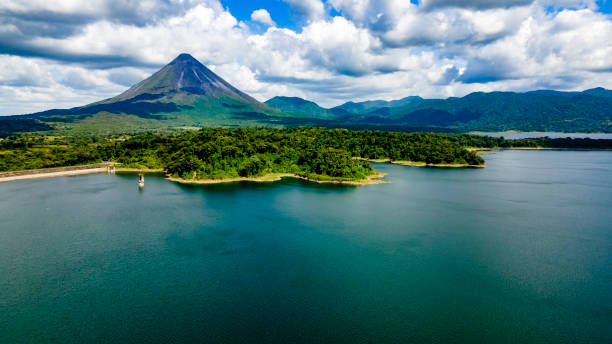
Places to Avoid in Costa Rica
Your Costa Rica adventure should be memorable for all the right reasons. Here are ten places that travelers often wish they’d skipped—and why you might want to do the same.
1. Downtown Limón City After Dark
Limón sits on Costa Rica’s Caribbean coast, and during daylight hours, it has a certain gritty charm. The Caribbean influence shows in the architecture, the food, and the music drifting from open windows. But once the sun sets, the vibe shifts considerably.
Street crime spikes after dark in Limón’s downtown core. Muggings happen. Bag snatchings are common. Even locals will tell you straight up—they don’t walk around here at night, and neither should you. The city has struggled economically for years, and that desperation shows after hours.
If you’re passing through Limón to catch a bus or grab lunch, that’s fine. Just don’t linger past sunset, and definitely don’t flash expensive cameras or jewelry. Your safer bet? Stay in Cahuita or Puerto Viejo instead, both roughly an hour south, where the Caribbean atmosphere comes without the same level of risk.
2. Jacó’s Main Strip on Weekend Nights
Jacó is complicated. On one hand, the beach is accessible, the surf breaks are beginner-friendly, and it’s close to San José. On the other hand, the main drag on Friday and Saturday nights can feel like spring break gone wrong.
The strip caters heavily to party tourists, which brings a cluster of problems: overpriced drinks, aggressive touts, petty theft, and a general seediness that can make you uncomfortable. Prostitution is legal in Costa Rica, and Jacó has become a hub for it, which attracts a crowd you might not want to be around. Pickpockets work the crowds outside the louder clubs, and fights aren’t rare.
During the day, Jacó is perfectly pleasant. The beach itself is nice enough, and there are decent restaurants away from the chaos. But if you’re looking for a relaxed, authentic Costa Rican beach experience, you won’t find it on that neon-lit strip at midnight. Try Dominical or Uvita instead—same general region, way less hassle.
3. The Area Surrounding Quepos Bus Station
Quepos is the gateway town to Manuel Antonio National Park, one of Costa Rica’s crown jewels. Thousands of tourists pass through here weekly, which makes the bus station area prime hunting ground for opportunistic thieves.
The blocks immediately around the terminal see frequent bag snatchings and pickpocketing. Travelers often arrive tired, distracted, and loaded down with gear—easy targets. Locals working the area know exactly when buses arrive and who looks vulnerable.
Your move? If you’re taking a bus to or from Quepos, grab your bags and get out of the immediate vicinity quickly. Don’t stand around scrolling your phone or digging through your backpack. Arrange transportation in advance if possible—many hotels will pick you up. And keep your valuables secured in a front pocket or money belt, not dangling from a loose daypack zipper.
4. San José’s Zona Roja District
Let’s be real: San José as a whole isn’t most travelers’ favorite place. It’s congested, loud, and often just a stopover before heading to the beaches or mountains. But if you do find yourself in the capital, there’s one neighborhood to actively avoid—the area known as Zona Roja, or Red Zone.
This district, roughly south of the Central Market, has serious issues with drugs, gang activity, and violent crime. It’s not the kind of place where you’d accidentally wander in and be fine. Police presence is minimal, and even during daylight, the atmosphere feels tense. Assaults happen here. Armed robberies happen here.
Most tourists never go near it, and you shouldn’t either. Stick to the more central, well-traveled parts of San José like Barrio Amón or the areas around the National Theater. Better yet, spend your time elsewhere in Costa Rica entirely—the capital doesn’t offer much that the rest of the country doesn’t do better.
5. Manuel Antonio During Peak Season Weekends
Wait, avoid Manuel Antonio? The famous national park with the white sand beaches and the monkeys? Yes—but only under specific circumstances.
Manuel Antonio is beautiful, no question. But it’s also one of the most visited parks in the entire country, and on weekends during high season (December through April), it gets absolutely slammed. We’re talking tour buses unloading by the dozen, trails shoulder-to-shoulder with people, and beaches so packed you can barely find a spot for your towel. The wildlife often retreats deeper into the forest when crowds get this heavy, so you might not even see the capuchins and sloths you came for.
The solution isn’t to skip Manuel Antonio completely—it’s to time your visit smarter. Go on a weekday, ideally early morning right when the gates open. Arrive before 7 AM if you can. The difference is dramatic. You’ll actually hear the forest sounds, see animals moving through the trees, and enjoy the beach without tripping over strangers. The park limits daily visitors, so buying tickets online in advance helps too.
6. Unlicensed Tour Operators and “Street Guides”
This one isn’t a geographic location, but it’s a trap that catches plenty of travelers. You’re walking around La Fortuna or Monteverde, and someone approaches you offering a great deal on a tour. Half the price of the agencies! Cash only, no problem!
These unlicensed operators are everywhere, and while some are just locals trying to make a living, others cut serious corners on safety. That cheap zip-lining tour? Maybe the equipment hasn’t been inspected. That discounted white-water rafting trip? Perhaps the guide isn’t certified, and there’s no insurance if something goes wrong.
Costa Rica’s legitimate tour operators are licensed by the ICT (Costa Rican Tourism Board) and carry insurance. They cost more because they maintain gear, train staff, and follow regulations. Is it worth saving $30 on a canopy tour if the harness might fail? Use established companies with reviews, book through your hotel, or check the ICT website for registered operators. Your safety isn’t the place to bargain hunt.
7. Isolated Beaches in Cahuita Alone
Cahuita is lovely—a small Caribbean town with a laid-back rhythm, great food, and a national park with hiking trails right along the coast. The beaches inside the park are gorgeous, palm-fringed, and often nearly empty. That emptiness, though, comes with risk.
There have been incidents of robbery on the more remote stretches of Cahuita’s beaches, particularly on the trail that runs from Kelly Creek to Puerto Vargas. Thieves target solo travelers and couples, sometimes at knifepoint. It doesn’t happen constantly, but it happens enough that park rangers will warn you about it.
The fix is simple: don’t hike that trail alone. Go with a group, hire a local guide, or at least pair up with other travelers heading the same direction. Stay aware of your surroundings, and don’t bring more valuables than necessary. The beaches closer to town and the main entrance are generally safer due to higher foot traffic.
8. Mountain Roads During Heavy Rainy Season
Costa Rica’s rainy season runs from May through November, with September and October being the wettest months. If you’re driving—especially on mountain routes—those months demand serious caution.
The roads in the Central Valley and up to places like Monteverde can become treacherous during downpours. We’re talking mudslides, washed-out sections, and visibility dropping to nearly zero. Some of these roads are unpaved to begin with, and heavy rain turns them into slick, rutted messes. Rental car insurance claims spike during rainy season for good reason.
Even paved roads can flood quickly. Costa Rican drivers are used to it. You probably aren’t. If you’re visiting during the rainy season, plan your driving for mornings when skies are clearer and roads are drier. Check conditions before heading into mountainous areas. And seriously consider whether you need to drive at all—shuttles and domestic flights can save you a lot of stress.
9. The Tárcoles Crocodile Bridge Roadside
About an hour from San José on the way to Jacó, there’s a bridge over the Tárcoles River where massive crocodiles congregate below. It’s become an unofficial tourist stop—people pull over, park on the highway shoulder, and lean over the railing to snap photos of fifteen-foot reptiles.
The crocodiles themselves aren’t the danger (unless you somehow fall in). The danger is everything else. This is a narrow bridge on a busy highway with no proper parking area. Traffic whips past at high speed while tourists stand on the road’s edge. There have been accidents. There have been robberies too, with thieves targeting distracted visitors.
If you want to see crocodiles safely, book a boat tour on the Tárcoles River instead. Several reputable companies operate out of the area, and you’ll get much better views without risking getting hit by a truck or having your camera snatched. It’s worth the small cost.
10. Tamarindo Beach During Holiday Weeks
Tamarindo on the Pacific coast has transformed over the years from a sleepy surf town into one of Costa Rica’s most developed beach destinations. It’s got great restaurants, reliable waves, and plenty of amenities. It’s also gotten overcrowded during peak holiday periods to the point of losing its appeal.
During Christmas week and Easter week (Semana Santa), Tamarindo fills beyond capacity. Hotels jack up prices. The beach gets so crowded that you’ll struggle to find shade. Traffic clogs the single main road through town. And frankly, with that many people packed into a small area, the vibe shifts from “relaxing beach vacation” to “stressful tourist crush.”
Outside those peak weeks, Tamarindo is perfectly enjoyable. But if your dates fall during major holidays, consider alternatives like Playa Negra, Nosara, or Samara—beaches with more space and far fewer crowds. You’ll actually be able to hear the waves.
Wrap-Up
Costa Rica delivers incredible experiences—but knowing what to avoid protects your trip from unnecessary headaches. Every destination has its rough edges. The key is traveling with open eyes, making informed choices, and not letting a preventable mishap overshadow the good stuff.
Use this list as a practical tool, not a reason to be paranoid. Costa Rica remains one of the safest, friendliest countries in Central America. The vast majority of visitors have nothing but positive experiences.
Plan smart, stay aware, and go enjoy those rainforests and beaches. Pura vida, for real.


