Orlando pulls millions of visitors every year with its promise of magic, thrills, and sunshine. But here’s what the glossy brochures won’t tell you: not every corner of this city lives up to the hype.
Some spots drain your wallet without delivering value. Others waste precious vacation time or put you in uncomfortable situations. You work hard for your money, and your time off matters.
What follows is your straight-shooting guide to the places that consistently disappoint visitors. Skip these, and you’ll have more cash, more time, and way more fun exploring what actually makes Orlando special.
Places to Avoid in Orlando
You deserve to spend your Orlando trip experiencing genuine highlights instead of tourist traps that leave you feeling ripped off. Let’s look at the specific spots you should steer clear of, starting with some of the biggest time and money wasters.
1. International Drive’s Restaurant Row
This neon-lit stretch feels like it should be exciting. Walk down I-Drive’s restaurant section any evening and you’ll see countless chain eateries competing for attention with oversized signs and sidewalk barkers.
The problem? Nearly everything here costs 30-40% more than it would anywhere else in the city. You’re paying inflated prices for food you could get at home. That plate of pasta that runs $15 in your hometown somehow costs $24 here. The quality doesn’t improve with the price tag either.
Most of these establishments bank on visitors who don’t know the area and won’t return. They have zero incentive to earn your loyalty. Service tends to be rushed, ingredients are standard, and your meal becomes just another transaction. I’ve watched families drop $100+ on mediocre chain food when authentic local spots sit just a few blocks away, charging half that amount.
Your better move: Head to Mills 50 or the Milk District. These neighborhoods serve up incredible Vietnamese, Thai, and Latin American food at honest prices. You’ll actually remember these meals.
2. Lake Eola Swan Boats
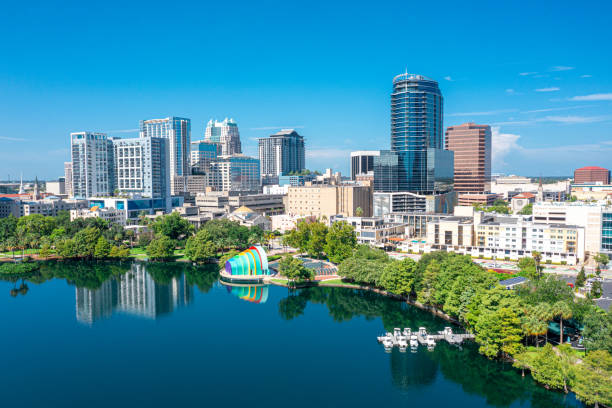
Lake Eola sits right in downtown Orlando, surrounded by a pleasant walking path and skyline views. The swan-shaped paddle boats look charming from shore, and rental booths try hard to convince you they’re a must-do activity.
They’re not. For $15 per half hour, you get to pedal a heavy fiberglass swan around a small lake under the Florida sun. Your legs do all the work while you sweat through your clothes. The novelty wears off in about five minutes. Then you’re stuck out there because you already paid.
The lake itself is pretty, but you see the same views from the free walking path. The paddle boats don’t unlock any special perspective or hidden corners. You’re essentially paying to exercise in the heat while sitting in a plastic bird. Children lose interest quickly, and adults end up wondering why they didn’t just walk the path instead.
Save your money and your energy. The path around Lake Eola offers better views, costs nothing, and you can stop whenever you want for photos or rest.
3. Gatorland’s Screamin’ Gator Zip Line
Gatorland has its charms as an old-school Florida attraction. The crocodilian shows are legitimately educational, and the ticket price stays reasonable compared to the mega-parks. But their zip line experience represents pure overpricing.
You’ll pay $70+ per person for a zip line that lasts maybe three minutes of actual riding time. That’s expensive even by theme park standards. The marketing plays up the fact that you zip over alligators, but you’re so high up that the gators look like tiny lizards. You won’t get the thrill they’re selling.
Zip line enthusiasts know Florida has dozens of better options. Places like Orlando Tree Trek or Revolution Off Road offer longer, more exciting courses for similar or lower prices. Some include multiple lines, obstacle courses, or additional activities that make the cost feel worthwhile.
If you’re visiting Gatorland anyway, skip the zip line upcharge. Stick to the regular admission, which gives you plenty to see and do. Your wallet will thank you, and you won’t feel like you threw away money on three minutes of “meh.”
4. Any “Discounted Ticket” Storefront on I-Drive
These shops line International Drive with big “DISCOUNT TICKETS” signs in every window. They look official, and the friendly staff members seem eager to help you save money on theme park admission. That’s the hook.
Here’s reality: these places rarely offer genuine savings on actual theme park tickets. What they push instead are timeshare presentations disguised as ticket deals. You’ll sit through a 90-minute high-pressure sales pitch at a resort, often stretching to two hours or more. The tickets you “earn” typically come with blackout dates, restrictions, and fine print that limit their value.
Even when these storefronts sell legitimate tickets without timeshare strings attached, their prices usually match or barely beat what you’d pay directly from the parks. You gain nothing except the risk of getting scammed or having issues at the gate. The official park websites, military discounts, annual pass deals, and multi-day packages almost always provide better value.
If you need discounted tickets, buy directly from the parks’ websites or through your hotel’s front desk. Authorized resellers clearly mark themselves and have legitimate business setups. Those sketchy storefronts with handwritten signs? Keep walking.
5. Wonderworks
This upside-down building catches your eye on I-Drive, and the concept sounds fun. Interactive science exhibits, educational entertainment, activities for all ages. Marketing materials make it sound like a miniature science museum with hands-on learning opportunities.
Walk inside and you’ll realize you’ve paid $40 per person for what amounts to a dated arcade with some simple science demonstrations thrown in. Most exhibits feel like they haven’t been updated since the late 1990s. Things break down regularly and don’t get fixed quickly. The space inside is smaller than you’d expect from the building’s exterior.
Kids under seven might enjoy running around for an hour, but older children and adults quickly exhaust the limited offerings. You’re done in 90 minutes, tops. That works out to nearly $30 per hour for mediocre entertainment. Orlando Science Center costs less, offers more, and provides actual educational value with regularly rotating exhibits and IMAX films.
The laser tag and ropes course add-ons cost extra on top of admission. Suddenly, you’re dropping $60-70 per person for activities you could do better and cheaper elsewhere in town. Wonderworks survives on tourist traffic and impulse decisions. Make a different choice.
6. Mall at Millenia on Weekends
This upscale shopping center serves Orlando’s luxury market with high-end retailers like Gucci, Louis Vuitton, and Chanel. If you’re into designer shopping and have the budget for it, weekday visits can be pleasant. Weekends, though, turn this place miserable.
Parking becomes a nightmare. You’ll circle the lots for 20-30 minutes searching for a spot, fighting crowds of shoppers doing the same thing. The valet line backs up forever. Once inside, the stores pack with people, making it impossible to browse comfortably or get sales assistance without long waits.
Lines for the few food court options snake through the common areas. Want to grab coffee at Starbucks? Better block out 15 minutes just to order. The bathrooms develop lines. Even the fancy ones. The entire experience feels like you’re battling crowds instead of enjoying retail therapy.
Unless you absolutely must visit this specific mall, you have better options. The Florida Mall is larger, with more variety and better weekend crowd management. The outlets on Vineland Avenue give you brand names at lower prices with easier parking. Winter Park’s Park Avenue offers upscale shopping in a charming outdoor setting. All beat fighting Mall at Millenia’s weekend chaos.
7. Fun Spot’s Go-Kart Tracks
Fun Spot America positions itself as an affordable alternative to the major theme parks, and parts of that pitch hold true. Free admission means you only pay for what you ride. The roller coasters are decent, especially SkyCoaster for thrill seekers. But their go-karts, which they heavily promote, represent terrible value.
These aren’t the fun, zippy karts you might remember from other tracks. They’re governed so slowly that you barely feel like you’re moving. The experience is supposed to last several laps, but you’ll finish in under five minutes of actual driving. For that brief ride, you’ll pay $10-12 per person, and if you have multiple kids, the cost adds up fast.
The tracks themselves are basic oval loops with minimal interesting features. You’re not getting elevation changes, sharp turns, or any design elements that make go-karting exciting. You just slowly loop around while wishing you’d saved your money for another roller coaster ride instead.
Andretti Indoor Karting in Orlando offers electric karts that actually move at exciting speeds on a well-designed multi-level track. K1 Speed delivers similar quality. Both cost slightly more but provide exponentially better experiences. Fun Spot’s karts exist to separate tourists from their money while delivering minimal fun.
8. Madame Tussauds Orlando
Wax museums made sense before smartphones and social media put celebrity photos at your fingertips. You could see lifelike figures of famous people you’d never meet in person. That was the appeal. These days, especially at Orlando’s location on I-Drive, the concept feels outdated and overpriced.
Entry costs around $30 per person. You walk through and look at wax figures of celebrities, some of which look great while others miss the mark by a mile. That’s the whole experience. You can take selfies with the figures, which keeps you occupied for maybe an hour. Then you’re done.
An hour of looking at wax statues for $30 per head. Think about what else that money could buy in Orlando. That’s most of a day at Universal’s Volcano Bay water park if you buy in advance. That’s a table-service dinner at a good local restaurant. That’s admission to multiple smaller attractions that offer actual activities instead of just photo opportunities.
The figures don’t change frequently, so return visitors see the same displays. Even first-timers often leave feeling underwhelmed. The gift shop at the exit tries to extract more money for overpriced souvenirs. Give this place a pass. Your phone’s camera roll doesn’t need $30 wax figure selfies.
9. Church Street Entertainment District After 10 PM
Downtown Orlando’s Church Street used to be a hot nightlife spot. During daylight and early evening, this area still has decent restaurants and some legitimate venues for live music. After 10 PM on weekends, though, the vibe shifts hard.
The later crowds skew very young, very drunk, and sometimes aggressive. Street fights break out regularly. Police presence increases because they know trouble concentrates here. Panhandlers work every corner, getting increasingly persistent as the night wears on. The whole scene feels chaotic rather than fun.
Cover charges at the clubs jump to $20-30 for venues that pack people in like sardines. Drinks cost $12-15 each. Security can be hit or miss depending on the venue. You’re not getting the safe, enjoyable nightlife experience that tourists expect. You’re getting the messy side of any city’s party district.
Locals who want good nightlife head to Wall Street Plaza or the bars around Lake Eola instead. These spots offer better crowds, nicer venues, and safer environments. Tourists should follow that lead. Church Street after 10 PM brings more headaches than entertainment, especially if you’re traveling with a group that includes people who prefer relaxed socializing over aggressive club scenes.
10. The Florida Mall’s Food Court
Florida Mall is a solid shopping destination overall. Massive selection of stores, good deals, decent atmosphere. But that food court? Skip it completely, especially during peak hours.
This food court consistently ranks as one of the most crowded in any American mall. Lunch and dinner times turn it completely chaotic. Every table fills up, forcing people to hover around, eating families waiting for them to leave. The noise level makes conversation impossible. Finding your group after ordering becomes a genuine challenge in the sea of people.
Food quality at these chain outlets is exactly what you’d expect: mediocre and overpriced. You’re paying $12-15 for fast food that costs half that much outside the mall. The portions are smaller. The service is harried because staff deal with constant rushes. Nothing tastes particularly good; it just fills your stomach.
Better options exist literally across the parking lot. The mall’s outskirts have sit-down restaurants with air conditioning, actual service, and reasonable prices. Drive five minutes in any direction, and you’ll find local places serving superior food for similar money. Even the smaller food options inside mall anchor stores like Target beat the food court experience.
Treat the food court as a last resort, not a destination. Your meal matters more than convenience, especially when better convenience exists elsewhere in the same complex.
Wrapping Up
Orlando has incredible experiences waiting for you. Theme parks that justify their reputation. Restaurants serving food you’ll remember for years. Natural springs, museums, and neighborhoods that show Florida’s authentic character.
You don’t need to waste time and money on overpriced traps designed to catch uninformed visitors. Now you know which spots deserve your hard pass. Spend your vacation budget where it counts, and you’ll come home with stories worth telling instead of regrets about places that didn’t deliver.
Your Orlando trip can be exactly what you hoped for. Just be smart about where you go.


