St Lucia looks like paradise in the brochures, and honestly, most of it lives up to that promise. But here’s what they don’t tell you: not every beach is safe for swimming, not every scenic overlook is worth the risk, and some tourist traps will leave you frustrated and out of pocket.
I’ve spent enough time on this beautiful Caribbean island to know which spots deserve your precious vacation hours and which ones you should skip entirely. Some places are genuinely unsafe, others are just disappointing, and a few will eat through your budget faster than you can say “rum punch.”
What you’re about to read could save your trip from going sideways. Let’s talk about the spots that didn’t make my highlight reel.
Places to Avoid in St Lucia
These aren’t just random opinions thrown together. Each location on this list has earned its place through actual problems that affect real visitors like yourself.
1. Castries Market After Dark
The Castries Market pulses with energy during daylight hours. Vendors hawk fresh produce, handmade crafts, and souvenirs while locals bargain in Creole. But once the sun sets, this area transforms completely.
Crime rates spike after dark around the market and surrounding streets. Pickpocketing becomes common, and there have been reports of more serious incidents involving tourists who lingered too long. The vendors pack up and head home, leaving behind empty stalls and poorly lit alleyways that create perfect conditions for trouble.
Your best move? Visit between 8am and 4pm, when the market buzzes with legitimate activity and you’re surrounded by crowds of shoppers. Get your shopping done, grab some fresh fruit, and clear out before evening. The same street that feels lively at noon can feel menacing by 7pm.
3. The Soufrière to Fond St Jacques Road
This narrow mountain road sounds like an adventure on paper. In reality, it’s a white-knuckle experience that even experienced drivers find stressful. The pavement deteriorates into potholes and loose gravel in multiple sections.
What makes it particularly treacherous is the combination of sharp hairpin turns, minimal guardrails, and sheer drops that fall away dramatically on one side. Add in the local drivers who’ve memorized every curve and drive at speeds that seem impossible, and you’ve got a recipe for disaster. During rainy season, mudslides occasionally block portions of the road entirely.
Rental car companies sometimes explicitly forbid this route in their agreements. If you’re caught on this road and need assistance, you might find your insurance suddenly doesn’t cover you. Take the longer coastal route instead. Your nerves will thank you, and you’ll actually see ocean views instead of just gripping the steering wheel in terror.
2. Downtown Castries on Cruise Ship Days
Picture this: eight thousand cruise passengers descending on a small downtown area simultaneously. That’s what happens on heavy cruise days in Castries, and it’s absolute chaos.
The streets become so congested you can barely move. Every restaurant has hour-long waits. Taxi prices mysteriously double or triple. The craft vendors become aggressive because they’re competing for the same tourist dollars, and the authentic local experience you came for completely evaporates under the weight of crowds.
Check the cruise ship schedule before planning your Castries visit. The port authority publishes this information online, and some hotels provide it as well. On days when multiple large ships dock, head literally anywhere else on the island. The beaches, sulphur springs, or botanical gardens become much better options. You can always return to Castries on a quieter day when the shops and restaurants can actually give you proper attention.
4. Unsupervised Remote Beaches on the Atlantic Side
The Caribbean side of St Lucia gets all the attention, but some adventurous visitors seek out the wilder Atlantic beaches on the eastern coast. Big mistake if you’re planning to swim.
These beaches feature powerful currents, unpredictable waves, and undertows that can pull even strong swimmers out to sea. There are no lifeguards, no warning signs, and often no other people around to help if something goes wrong. Residents avoid swimming here for good reason.
Several drownings happen every year, many involving tourists who underestimate the ocean’s power. The waves look manageable from shore, but step in waist-deep, and you’ll feel the current trying to sweep your legs out from under you. Beautiful for photographs? Absolutely. Safe for swimming? Not even close. Stick to the calmer Caribbean beaches where the water cooperates with your vacation plans.
5. Late Night Gros Islet Street Parties (Unless You’re Streetwise)
Friday night street parties in Gros Islet are legendary. Music thumps from massive speakers, grilled fish and chicken perfume the air, and locals and tourists drink and dance until dawn. But this isn’t a sanitized resort activity, and it comes with real risks.
Pickpockets work these crowds expertly. Drinks get spiked. Scuffles break out, occasionally escalating into more serious violence. Women traveling alone report unwanted attention that crosses from friendly into uncomfortable. The parties stretch into neighborhoods where street lighting barely exists, and it’s easy to become disoriented after a few drinks.
If you want to experience Friday night Gros Islet, go with a group, stay in the main party area, watch your drinks constantly, and leave valuables at your hotel. Consider hiring a driver who’ll stay sober and get you home safely. This isn’t me being a buzzkill. The parties are genuinely fun, but they’re also genuinely risky if you’re not prepared. Treat it like any late-night street festival in a foreign country where you don’t speak the language fluently.
6. Independent “Tour Guides” Who Approach You on the Street
Walk through any tourist area in St Lucia, and someone will eventually offer to be your personal guide, promising insider access and better prices than official tours. Some are legitimate. Many are not.
These unofficial guides operate outside any regulatory system. They have no insurance, no accountability, and no training. Some take tourists to dangerous areas. Others demand payment disputes midway through a “tour” and become aggressive. A few work with accomplices who rob tourists while the guide distracts them.
The worst cases involve fake tour guides taking tourists to remote areas, then either abandoning them or demanding additional money under threat. Your hotel concierge, legitimate tour companies, and the tourist board all offer properly vetted guides. Pay a bit more for the peace of mind. The few dollars you save with a street guide aren’t worth the risk of being stranded or robbed.
7. The Beach at Choc Bay During Strong Swells
Choc Bay looks peaceful most days. The sand is golden, the water is clear, and it’s conveniently located near several resorts. But when swells pick up, this beach becomes deceptively dangerous.
The bay’s shape creates a funnel effect that amplifies wave action during rough weather. Rip currents form quickly and change position without warning. The beach slopes steeply underwater, meaning you go from ankle-deep to over your head in just a few steps. Lifeguards aren’t always present, and the red flag warning system isn’t consistently used.
Pay attention to conditions before you swim here. If you see large waves breaking, local families packing up and leaving, or the water looking turbulent, find another beach. Reduit Beach sits just north and typically offers calmer conditions. Marigot Bay provides protected swimming no matter what the weather’s doing. Don’t let your kids play in Choc Bay’s surf when conditions look questionable. Better safe than explaining to emergency services how you missed the warning signs.
8. Any Accommodation That Seems Too Cheap to Be True
St Lucia isn’t a budget destination. When you find a beachfront villa advertised at a fraction of normal prices, your scam detector should start beeping loudly.
These too-good-to-be-true listings fall into several categories. Some are outright fake, taking your deposit and disappearing. Others show professional photos of a luxury property but deliver you to a rundown shack. A few are real properties whose owners rent them out illegally without proper licenses, meaning you have zero recourse if something goes wrong.
One couple I met booked a “luxury villa” for $50 per night and arrived to find it didn’t exist at the address given. The “owner” stopped answering messages. Their money vanished into a fraudulent account. They spent their first night scrambling to find legitimate accommodation at last-minute prices that cost more than if they’d booked properly from the start.
Use established booking platforms with review systems and payment protection. Read multiple recent reviews carefully, looking for patterns of complaints. If you’re booking directly with a property owner, verify everything through official channels. That amazing deal probably isn’t amazing; it’s just a headache wrapped in false advertising.
9. The Forest Trails Around Pigeon Island During Heavy Rain
Pigeon Island National Park offers fantastic hiking with historical ruins and panoramic views. The trails wind through dry forest, past old military buildings, and up to Fort Rodney at the summit. But these paths become treacherous when wet.
The soil here is mostly clay mixed with loose rock. Add water, and it becomes slicker than ice. The trails, which seem well-maintained in dry conditions, transform into slip-and-slide nightmares. Multiple sections have steep grades with minimal handholds. People slip, twist ankles, and occasionally tumble down slopes that seemed harmless in sunshine.
I watched a tourist lose her footing on the Fort Rodney trail during a light drizzle. She slid about ten feet down a rocky section before catching herself on a tree. Cut hands, bruised hip, and a completely ruined afternoon. Check the weather before you visit Pigeon Island, and if rain is falling or has recently fallen, save the hike for another day. The ruins and views will still be there tomorrow when the trails have dried.
10. North Castries and Parts of Marchand After Dark
These residential neighborhoods north of downtown Castries see very few tourists, and there’s a good reason for that. Poverty, unemployment, and drug-related crime concentrate in these areas.
Gang activity occasionally spills into violence. Tourists who accidentally wander here after dark become targets for robbery. The street layout is confusing, the lighting is poor, and local residents will actively tell you to leave if they see you looking lost. Even taxi drivers from other parts of the island avoid these neighborhoods at night.
There’s no tourist attraction here worth the risk. No restaurant, no bar, no scenic overlook that justifies putting yourself in this situation. If you’re driving and find yourself heading north of Castries as darkness falls, turn around. If a taxi driver suggests a shortcut through these neighborhoods, ask for a different route. Trust your instincts. These areas aren’t on any legitimate tour itinerary for solid reasons.
Wrapping Up
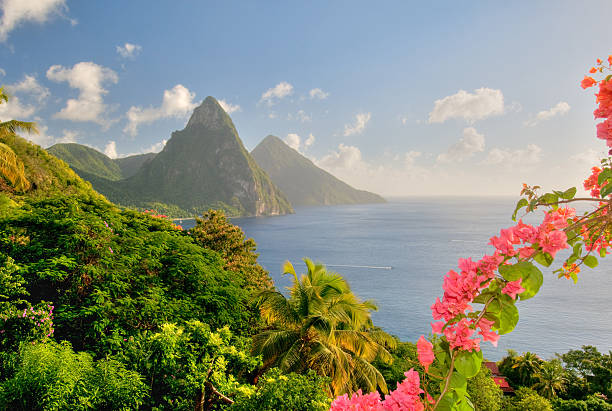
St Lucia really is as gorgeous as everyone says. The Pitons rising from turquoise water, the drive-in volcano, the ridiculously friendly locals who’ll chat with you for hours. None of that changes just because certain spots deserve a wide berth.
Avoiding these ten places won’t limit your trip; it’ll improve it. You’ll spend your time and money on experiences that deliver instead of dealing with completely preventable problems. Every island has its rough edges. Now you know where St Lucia’s are, and you can plan accordingly.