Argentina pulls at your heartstrings. The tango music drifting through cobblestone streets, the smell of grilled steak wafting from parrillas, the thunderous roar of Iguazu Falls. It’s all there waiting for you.
But here’s what nobody puts on the glossy tourism brochures. Some corners of this vast country deserve a wide berth. Maybe they’re genuinely dangerous, maybe they’re tourist traps designed to empty your wallet, or maybe they’re just disappointing stops that steal precious time from your trip.
You deserve the full story before you board that plane. Let’s talk about where you shouldn’t waste your energy, your money, or your safety.
Places to Avoid in Argentina
Argentina spans from subtropical jungles to glacial peaks, and not every spot lives up to its reputation. Here’s what seasoned travelers wish they’d known before booking their tickets.
1. La Boca After Dark
That Instagram-perfect stretch of colorful houses on Caminito Street? Stunning at 2 PM. Risky at 9 PM.
La Boca sits in one of Buenos Aires’ most economically challenged neighborhoods. During daylight hours, you’ll find street performers, tango dancers, and tourists snapping photos of those famous painted buildings. The police presence keeps things relatively secure. But once the sun dips below the horizon and the tour groups head back to their hotels, the area transforms completely.
Local porteños will tell you straight up: they don’t go there at night. The surrounding blocks have high mugging rates, and even Caminito itself becomes isolated after the vendors pack up. Your expensive camera becomes a target. Your phone in your back pocket? Gone before you realize it.
If you absolutely must see La Boca (and yes, those houses really are that vibrant), go mid-morning on a Sunday when the crowds provide safety in numbers. Take an Uber directly to Caminito, stay on the main tourist strip, and leave by 5 PM. Don’t wander into the residential blocks. The soccer stadium for Boca Juniors is there too, but unless you’re attending a match, skip the pilgrimage.
2. Villa 31 and Other Informal Settlements
Buenos Aires has several villas miserias (informal settlements) scattered throughout the city. Villa 31, sitting literally next to the glamorous Retiro station, is the most visible.
Some tour companies have started offering “poverty tours” through these neighborhoods. They market them as cultural experiences or opportunities to see “real Buenos Aires.” Don’t fall for it. These tours exploit vulnerable communities, turning genuine hardship into entertainment for tourists who’ll return to comfortable hotels. Residents have repeatedly expressed frustration about being treated like zoo animals.
Beyond the ethical problems, there are practical safety issues. These areas have limited police presence, narrow alleyways that disorient outsiders, and territorial dynamics you won’t understand. Getting lost here means finding yourself in genuinely dangerous situations. Emergency services struggle to respond quickly in these densely packed neighborhoods.
Want to support these communities? Great. Donate to legitimate local organizations working on housing and education. But keep your selfie stick somewhere else.
3. The Triple Frontier at Night
Where Argentina, Brazil, and Paraguay meet at the Triple Frontier near Puerto Iguazu, you’ll find a complex web of informal commerce. During the day, the area bustles with legitimate cross-border trade and tourists visiting the three-country landmark.
After hours, though, this border zone becomes a different beast entirely. It’s known as a major smuggling corridor for counterfeit goods, drugs, and other illicit trade. The porous borders and multiple jurisdictions create enforcement challenges that various criminal organizations exploit efficiently.
If you’re staying in Puerto Iguazu to see the falls, stick to the town proper after sunset. The falls themselves are magnificent and perfectly safe during operating hours. But those late-night taxi rides toward the border? Skip them. That bar someone mentioned on the Brazilian side? Not worth the risk. You came to see waterfalls, not test your luck in a smuggling hotspot.
4. Budget Tourist Restaurants Around Plaza de Mayo
Here’s a frustrating truth about Buenos Aires. Some of the worst, most overpriced food in the entire country sits within a three-block radius of the city’s most famous plaza.
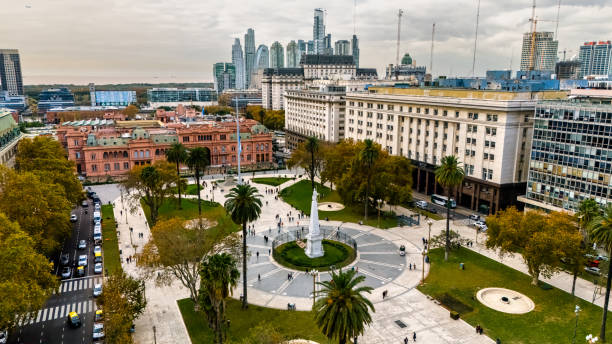
These restaurants have mastered the art of catching tourists at their most vulnerable. You’ve just finished touring Casa Rosada or the Metropolitan Cathedral. You’re hungry, your feet hurt, and you see a menu in four languages promising “authentic Argentine steak.” The photos look decent. You sit down.
Thirty minutes later, you’re staring at a grey, chewy piece of meat that cost you $40 USD. The chimichurri tastes like it came from a jar (it did). The wine is acidic and warm. Meanwhile, two blocks away in a neighborhood spot, locals are eating spectacular parrilla for half the price.
The pattern repeats around every major tourist site in Buenos Aires. Florida Street, the area around the Obelisco, anywhere with a guy out front hustling passersby in English. These places bank on one-time customers who’ll never return. Quality doesn’t matter when you’re targeting a constantly refreshing pool of confused tourists.
How do you avoid this trap? Walk. Just walk five or six blocks away from the landmark. Look for restaurants filled with Argentine families. If the menu has pictures and comes in English, German, Portuguese, and French, keep walking. The best parrillas have handwritten specials boards and waiters who’ll look mildly annoyed if you don’t speak Spanish.
5. Certain Buenos Aires Neighborhoods After Midnight
Constitución. Once Barrio. Parts of Balvanera. These neighborhoods have their daytime rhythms and nighttime realities.
Buenos Aires is generally safer than many South American capitals, but it’s not immune to crime. These particular neighborhoods see higher rates of armed robberies, especially targeting people who look like they don’t belong. Walking around with your phone out, wearing obvious tourist gear, or appearing lost after midnight makes you a easy mark.
The tricky part is that Buenos Aires’ coolest bars and clubs are scattered everywhere. You might end up in Constitución without realizing it. Maybe you’re following Google Maps to that underground jazz club your hostel recommended. Suddenly the streets feel different. Fewer people around. Buildings look more run-down. Trust that instinct.
Take Ubers or registered taxis (the black and yellow ones) late at night. Yes, Buenos Aires has a subway system that runs until 11 PM on weekends, but those last trains can be sketchy. The extra $5 USD for a ride is cheaper than replacing your stolen phone or dealing with the aftermath of a mugging.
6. Generic Tango Shows in Touristy San Telmo
San Telmo on Sundays? Fantastic. The antiques market, street performers, the old architecture. But those tango shows advertised on every corner with aggressive ticket sellers? Hard pass.
Real tango happened in intimate milongas where locals spend hours perfecting their dance. What you get in most tourist shows is a flashy, Vegas-style production that costs $80-150 USD per person. You’ll sit at cramped tables with 200 other tourists, eat mediocre food included in your package, and watch professional dancers perform choreographed routines that have nothing to do with traditional tango culture.
The shows themselves aren’t bad, exactly. The dancers are skilled. The production values are high. But you’re getting a caricature, a commercialized version designed for people who’ll applaud anything because they paid so much money.
Instead, ask locals about authentic milongas. Places like La Catedral Club de Tango or La Viruta have real dancers, and you can watch for the price of a drink. Or visit the Café Tortoni, a historic café where tango originated, and catch a more intimate show for reasonable prices. You’ll actually see how porteños experience tango, not what they think tourists want to see.
7. The “Argentina” Section of Ushuaia
Ushuaia markets itself as the southernmost city on Earth. It’s your launching point for Antarctica cruises, your gateway to Tierra del Fuego National Park. But the town itself has become a victim of its own popularity.
The main street, San Martin Avenue, is basically an outdoor mall selling overpriced souvenirs. Every other shop sells the same keychains, the same “End of the World” t-shirts, the same duty-free electronics that aren’t actually cheaper. Restaurants charge double what you’d pay in Buenos Aires for worse food. Everything is designed to extract maximum cash from cruise passengers who have six hours in port.
The natural areas around Ushuaia are spectacular. The Beagle Channel boat tours, the national park, the hiking trails. Those are worth every penny. But spending your time shopping for refrigerator magnets on San Martin Avenue? That’s wasting precious hours in one of Earth’s most unique locations.
Get out of town. Seriously. Rent a car and explore the island. Take the boat to the penguin colonies. Hike the Martial Glacier trail. Just don’t blow your Ushuaia experience on tourist trap shopping.
8. March Through Iguazu Falls (Weekends and Holidays)
Iguazu Falls deserves its spot on every “natural wonders” list. The sheer volume of water, the rainbows in the mist, the sound that rumbles through your chest. It’s genuinely awe-inspiring.
But during Argentine school holidays, Brazilian long weekends, and summer peak season (December-February), the park becomes a nightmare of crowding. Picture waiting 45 minutes just to board the train to the Devil’s Throat viewpoint. Standing in dense crowds where you can barely see the falls because someone’s selfie stick is blocking your view. Dealing with 90-degree heat while packed shoulder-to-shoulder on narrow walkways.
The falls don’t care what day it is, but your experience certainly will. If you can possibly visit on a Tuesday or Wednesday during off-peak months (April-June or August-October), you’ll see the same spectacular falls with a fraction of the crowds. The extra planning is absolutely worth it.
Also, here’s an insider tip: enter the park when it opens at 8 AM. Most tours don’t arrive until 10 AM. You get those crucial early hours when the paths are nearly empty and the morning light creates the best photo conditions. Pack your own lunch instead of paying inflated prices at the park cafeterias.
9. Shopping on Florida Street
Florida Street is a pedestrian shopping avenue running through downtown Buenos Aires. Guidebooks mention it. Hotels give you maps with it highlighted. And it’s absolutely the worst place to shop in the entire city.
Every shop sells identical mass-produced goods at tourist prices. The leather jackets aren’t real Argentine leather (that costs more and is sold elsewhere). The “handmade” crafts came from the same Chinese factory as everything else. You’ll pay three times what locals pay for inferior quality items.
Worse, Florida Street has an aggressive vendor culture. People approach you every few steps trying to sell you something. Currency exchange touts whisper “cambio, cambio” offering illegal but commonly used exchange services. It’s exhausting and annoying. By the time you reach the end, you’re stressed out and probably got pickpocketed because you were distracted.
For actual shopping, head to Palermo. The boutiques on Armenia and Gorriti streets sell beautiful, genuinely Argentine-made leather goods, clothing, and crafts. Yes, they cost more than Florida Street schlock, but you’re getting quality items that won’t fall apart in three months. Or visit local markets like the Feria de Mataderos for authentic folk crafts.
10. The “Patagonia Experience” Tours from Buenos Aires
Some tour companies sell multi-day Patagonia packages that launch from Buenos Aires. They promise Perito Moreno Glacier, Torres del Paine, penguins, and more in just five or six days. Sounds efficient, right?
Except Patagonia is massive. It covers nearly the entire southern third of South America. These tours involve brutal amounts of time on buses and planes, superficial stops at each location, and crushing exhaustion. You spend more time traveling between destinations than actually experiencing them.
You arrive at Perito Moreno Glacier for exactly 90 minutes. Just enough time to take your photos and leave before you actually absorb where you are. The penguin colony visit lasts an hour. Torres del Paine gets reduced to a quick drive-through. You return to Buenos Aires having technically seen Patagonia but not really experienced anything.
Patagonia demands time. Pick one or two areas and stay long enough to appreciate them. Spend three days around El Calafate and the glaciers. Or dedicate a week to hiking in Torres del Paine. Fly directly to these locations instead of overland marathons. Yes, it costs more, but you’ll actually have memories instead of a blur of exhaustion and bus rides.
The rushing creates another problem: altitude and climate adjustment. Patagonia’s weather is notoriously unpredictable. Quick tours don’t allow buffer days for when (not if) weather interferes with plans. You might miss the glacier entirely because of rain and have no flexibility to wait it out.
Wrapping Up
Argentina is too incredible to waste on tourist traps and risky situations. You’ve got limited vacation days and hard-earned money to spend. Use both wisely.
Focus your energy on the experiences that make Argentina special. The glaciers that crack and thunder into turquoise water. The wine regions where the sun sets behind the Andes. The neighborhood parrilla where the owner remembers your name. Those moments are waiting, but only if you skip the places that don’t deserve your time.
Safe travels, and may your asado always be perfectly cooked.