Detroit has been making a comeback. The city’s downtown sparkles with new restaurants, renovated lofts, and a growing tech scene that’s drawing young professionals from across the country. But let’s be honest here—every city has areas that visitors and even residents should approach with caution.
This isn’t about fear-mongering or painting Detroit with a broad brush. The city has real beauty, genuine community, and neighborhoods worth celebrating. Still, pretending certain areas don’t have serious safety concerns does nobody any favors.
So whether you’re planning a trip, considering a move, or already live in the area, knowing which spots to steer clear of can keep you safe and help you make smarter decisions about where you spend your time.
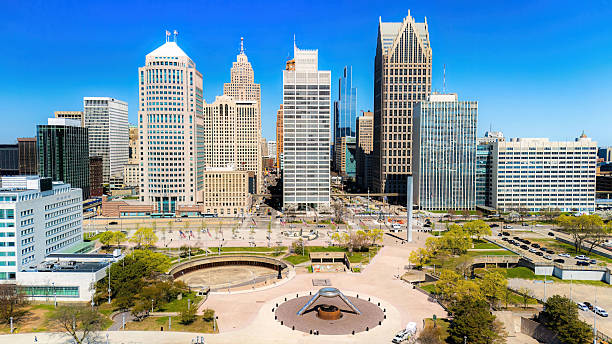
Places to Avoid in Detroit
Detroit’s neighborhoods vary dramatically from one block to the next. Here’s a breakdown of the specific areas that consistently rank highest for crime rates, abandoned properties, and safety concerns—so you can plan accordingly.
1. Gratiot/7 Mile Area
The intersection where Gratiot Avenue meets 7 Mile Road sits in one of Detroit’s highest-crime zones. The area has struggled for decades with violent crime, property crime, and a visible drug presence that makes it uncomfortable even during daylight hours.
What makes this stretch particularly problematic is the combination of factors working against it. Many businesses have shuttered, leaving behind vacant storefronts that attract squatters and illegal activity. Street lighting is inconsistent at best. And the area lacks the foot traffic that naturally deters criminal behavior in busier parts of the city.
If you’re driving through, keep your doors locked and windows up. Stopping for gas or quick errands here isn’t worth the risk when you can find safer alternatives just a few miles in any direction. Residents who live nearby often know specific routes and times to avoid, but outsiders won’t have that local knowledge to rely on.
2. Brightmoor
On Detroit’s northwest side, Brightmoor has become almost synonymous with urban decay. The neighborhood once housed thousands of working-class families. Today, it’s dotted with empty lots where homes used to stand and abandoned houses with boarded-up windows.
Crime statistics tell part of the story. Brightmoor regularly appears on lists of Detroit’s most dangerous neighborhoods, with assault, robbery, and burglary rates far exceeding city averages. But the statistics don’t capture the day-to-day reality—the feeling of isolation when entire blocks sit empty, or the wariness that comes from knowing police response times can stretch well beyond what you’d expect in other parts of town.
Community organizations have been working to revitalize the area, and there are pockets of determined residents fighting to reclaim their streets. These efforts deserve respect and support. That said, until the situation substantially improves, this remains an area where outsiders have little reason to venture.
3. Highland Park (Enclave City)
Highland Park sits entirely surrounded by Detroit, a city within a city that declared bankruptcy in 2001. The financial collapse gutted municipal services, and the effects are still visible everywhere you look.
Streetlights were famously repossessed in 2011 when the city couldn’t pay its electric bills. Some have been replaced, but large sections remain dark at night. The police department operates with minimal staffing, which means response times lag significantly behind neighboring Detroit, and Detroit’s response times aren’t exactly speedy to begin with.
Property crime here runs rampant. Cars get broken into regularly. Home invasions happen. And the lack of functioning infrastructure makes it difficult for the community to organize effective neighborhood watch programs or other grassroots safety initiatives.
The tragedy of Highland Park is that it has beautiful old homes and a rich automotive history. Ford’s original Model T plant operated here. But that history can’t protect you from current realities. Unless you have specific business in Highland Park and know exactly where you’re going, give this enclave a miss.
4. Dexter-Linwood
The Dexter-Linwood neighborhood stretches across Detroit’s west side, and it carries scars from the 1967 riots that devastated many of the city’s predominantly Black neighborhoods. More than fifty years later, the area still hasn’t recovered.
Vacant buildings line major streets. The commercial corridor that once served the community has largely disappeared. And the crime that fills these voids includes everything from petty theft to more serious violent offenses.
What makes Dexter-Linwood tricky is that it borders some areas experiencing genuine revitalization. You might be driving through a block that feels almost suburban, then turn a corner and find yourself surrounded by abandonment. This inconsistency can lull visitors into a false sense of security.
Stay alert if you’re in this part of town. Keep valuables out of sight in your vehicle. And if you’re planning to explore Detroit’s west side, do your research ahead of time to understand exactly which streets are safe and which should be avoided.
5. Warrendale
Warrendale occupies Detroit’s southwest corner, and it presents a complicated picture. Parts of the neighborhood have a stable housing stock and engaged residents. Other sections struggle with gang activity, drug trafficking, and violent crime.
The challenge with Warrendale is identifying which blocks fall into which category. Crime tends to concentrate around certain intersections and strips, but these hot spots shift over time. What felt safe six months ago might not feel safe today.
One consistent concern is auto theft. Warrendale’s proximity to major highways makes it attractive for car thieves who can steal a vehicle and be on the interstate within minutes. If you park in this neighborhood, don’t leave anything visible in your car. Ideally, don’t leave your car unattended here at all.
The community has been pushing back against criminal activity, and some progress has been made. But until that progress becomes more widespread and consistent, approach Warrendale with your guard up.
6. Chaldean Town
Chaldean Town runs along 7 Mile Road on Detroit’s east side. Despite its name—which reflects the Iraqi-American community that once thrived here—the neighborhood has seen better days.
Retail businesses that served the Chaldean population have largely relocated to suburbs like Sterling Heights and West Bloomfield. What remains is a commercial strip with many shuttered stores and the problems that empty storefronts attract.
Drug activity occurs openly in some sections. Property crime is high. And the area sees periodic violent incidents that make headlines in local news. Police presence has increased in recent years, but not enough to fundamentally change the safety equation.
If you’re visiting someone in Chaldean Town or have business in the area, stick to daylight hours and stay aware of your surroundings. Avoid walking alone, especially after dark. And trust your instincts—if something feels wrong, it probably is.
7. Osborn
The Osborn neighborhood lies on Detroit’s east side, bounded roughly by 7 Mile, 8 Mile, Kelly Road, and Gratiot. It’s a large area, which means crime statistics here represent thousands of people across many different blocks.
That said, the overall numbers paint a grim picture. Osborn consistently ranks among Detroit’s most dangerous neighborhoods for both violent crime and property crime. Home values have plummeted over the past two decades, reflecting a population exodus that’s left too many houses empty and too few eyes on the street.
Schools in the area have struggled with funding and performance issues, which creates a feedback loop—families who can afford to leave often do, taking their stabilizing presence with them.
Driving through Osborn, you’ll see signs of community pride fighting against overwhelming odds. People tend their lawns. Some blocks organize cleanups. But the challenges facing this neighborhood are systemic and will take years of sustained investment to address. For now, this isn’t a safe area to visit without a purpose.
8. Conner Creek
Conner Creek sits just south of Osborn and shares many of the same problems. High vacancy rates, insufficient street lighting, and crime levels that exceed city averages make this another east-side neighborhood to avoid.
The area takes its name from Conner Creek, which once flowed through here before being buried underground. The metaphor almost writes itself—a neighborhood that’s lost something essential, struggling to find its way back to the surface.
Drug houses operate in Conner Creek, and the violence that accompanies drug trafficking follows close behind. Residents report hearing gunshots regularly. Burglaries happen even in broad daylight, with thieves targeting both occupied homes and vacant properties for copper wire and other salvageable materials.
If you’re looking at rental properties or considering a real estate investment in this part of Detroit, proceed with extreme caution. The low prices reflect the genuine risks involved in living or owning property here.
9. Martin Park
Martin Park occupies territory along Detroit’s northern border with Highland Park, and it absorbs some of the problems that spill over from its struggling neighbor.
The neighborhood has one of the city’s highest rates of abandoned properties. When houses sit empty, they become magnets for illegal activity—squatting, drug use, arson. The more properties that empty out, the worse the problem becomes for whoever remains.
Violent crime in Martin Park spikes periodically, often connected to drug-related disputes. But even residents who have nothing to do with that activity find themselves affected. Stray bullets don’t discriminate. Neither do robbers looking for easy targets.
Some blocks within Martin Park are actively trying to turn things around. Community gardens have sprung up on empty lots. Residents hold meetings to coordinate safety efforts. These grassroots initiatives deserve recognition, but they’re fighting against decades of disinvestment that can’t be reversed overnight.
10. Chadsey-Condon
The Chadsey-Condon neighborhood sits on Detroit’s west side, bounded by major roads like Grand River Avenue and West Warren. Like several other neighborhoods on this list, it’s experienced dramatic population loss over the past few decades.
What’s left is a patchwork—some streets with well-maintained homes and longtime residents, others that feel genuinely abandoned. The crime rate reflects this inconsistency. You might walk through Chadsey-Condon and see nothing alarming, then read about a shooting or carjacking that happened two blocks away.
Auto theft is a particular problem here. So is larceny from vehicles. Thieves know which areas have fewer witnesses and less police coverage, and Chadsey-Condon checks both boxes.
If you must be in this neighborhood, know your exact route before you arrive. Don’t stop to look at a map or check your phone in a way that marks you as unfamiliar with the area. And leave before dark if you can—like many parts of Detroit, Chadsey-Condon becomes more dangerous once the sun goes down.
Wrap-Up
Detroit deserves its ongoing revival. The city has genuine strengths—cultural institutions, architectural beauty, resilient communities—that make it worth visiting and supporting. But ignoring the neighborhoods that struggle with serious crime and decay doesn’t help anyone.
Stay informed, trust your instincts, and make choices that keep you safe. There’s plenty of Detroit to explore without putting yourself at unnecessary risk.
If you’re a resident working to improve one of these areas, more power to you. That work matters. For everyone else, give these neighborhoods a wide berth until the situation on the ground genuinely improves.


