Hawaii sells itself as paradise, and honestly, most of it lives up to that promise. But here’s what the travel brochures won’t tell you: some spots are overcrowded tourist traps that’ll drain your wallet and leave you feeling like you wasted precious vacation time. Others are genuinely unsafe or environmentally sensitive areas where your presence does more harm than good.
I’ve spent years exploring these islands, and I’ve learned the hard way which places deserve your time and which ones you should skip entirely. Your Hawaii trip is expensive, and your vacation days are limited.
So let’s talk about where you shouldn’t go, so you can spend more time discovering the Hawaii that actually delivers on that paradise promise.
Places to Avoid in Hawaii
These aren’t hidden gems that locals want to keep secret. They’re spots that create problems for visitors, residents, or the environment itself. Here’s what you need to know before you plan your itinerary.
1. Waikiki Beach During Peak Hours
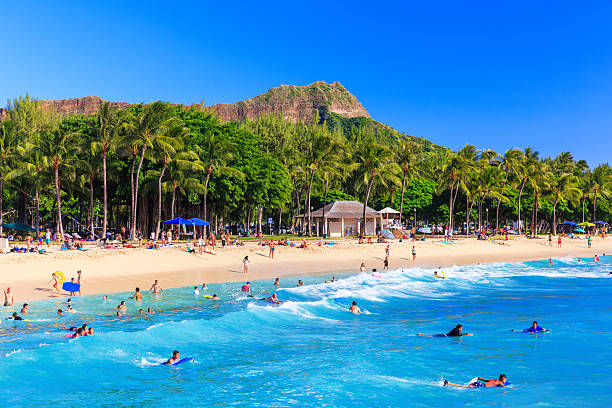
Picture this: you’re standing shoulder to shoulder with thousands of other tourists, fighting for a patch of sand barely big enough for your towel. That’s Waikiki between 10 AM and 4 PM on any given day. The water is so crowded with surfboards, paddleboards, and swimmers that you’ll spend more time dodging people than actually relaxing.
The beach itself stretches for about two miles, but the usable space shrinks dramatically during high tide. You’ll pay $50 or more for nearby parking, and good luck finding a spot before noon. The oceanfront hotels cast shadows across large sections of the beach by late afternoon, turning your sunny escape into a chilly disappointment.
What really gets me is the aggressive street vendors and time-share salespeople who won’t take no for an answer. They line the sidewalks near the beach, ready to pounce the moment you look even slightly lost or interested. Your peaceful beach day turns into an obstacle course of people trying to sell you something.
If you absolutely must experience Waikiki, go at sunrise. The beach is yours before 8 AM, the light is gorgeous for photos, and you’ll actually understand why this place became famous in the first place.
2. Hanakapiai Beach on Kauai’s Na Pali Coast
This one isn’t about crowds or commercialism. Hanakapiai Beach is genuinely dangerous, and at least 83 people have drowned here since 1970. The beach sits at the end of a challenging two-mile hike along the Kalalau Trail, and after that trek, the crystal-clear water looks incredibly inviting.
But here’s the problem: the currents are ferocious and unpredictable. There’s no reef to break up the waves, which means the ocean here has direct access to slam the shore with its full force. Rip currents form without warning. Even strong swimmers get pulled out to sea, and the nearest help is miles away on a trail with no cell service.
Winter months make this beach even more treacherous. Swells can reach 20 feet or higher, and the beach itself sometimes disappears entirely under the surge. Signs posted at the trailhead warn you about the dangers, complete with a grim tally of lives lost. Those signs aren’t exaggerating.
You can hike to the beach and take photos from the sand, but please, don’t go in the water. The hike itself is beautiful and worth your effort. The beach view is stunning. That should be enough.
3. Stairway to Heaven (Haiku Stairs) on Oahu
This one’s straightforward: the Haiku Stairs are illegal to climb, and the city has been working to remove them entirely. But every week, dozens of tourists ignore the no trespassing signs because they’ve seen those dramatic Instagram photos of the steep stairs climbing into the clouds.
Getting caught means a $1,000 fine. The stairs themselves are deteriorating and dangerous. Several people have fallen and required helicopter rescues, which are funded by taxpayers. Security guards patrol the area specifically to catch trespassers, and they’re good at their job. You’ll also be trespassing through a residential neighborhood at 3 AM (because that’s when most people attempt this), disturbing residents who are understandably fed up with tourists trampling through their yards.
The local community has begged visitors to stop coming here for years. The stairs cut through their neighborhood, and the constant stream of rule-breaking tourists has made their lives miserable. Your Instagram photo isn’t worth the fine, the risk, or the disrespect to people who actually live there.
Oahu has dozens of legal hikes with equally stunning views. The Lanikai Pillbox hike takes about 30 minutes and offers panoramic ocean views. The Makapu’u Lighthouse Trail is paved and accessible. Both are legal, safe, and considerate of residents.
4. Honolulu’s Chinatown After Dark (If You’re Unprepared)
Chinatown during the day is fantastic. You’ll find amazing food, interesting shops, and authentic cultural experiences. But after sunset, particularly along North Hotel Street and the surrounding blocks, the neighborhood changes character completely.
Hawaii has a serious homelessness crisis, and parts of Chinatown become a hub for drug activity and prostitution after dark. You’ll encounter aggressive panhandling and potentially dangerous situations if you’re not paying attention. The area has one of Honolulu’s highest crime rates, with assaults and robberies occurring regularly on weekend nights.
This isn’t fear-mongering or classism. It’s practical safety advice. Local residents know which blocks to avoid after certain hours. Hotel staff will warn you about wandering around here late at night, especially if you’ve been drinking in one of the area bars.
Does this mean you should skip Chinatown entirely? Absolutely not. Go for lunch at one of the Vietnamese restaurants on River Street. Visit the lei shops early in the morning. Browse the markets during daylight hours. Just don’t stumble around these streets at midnight looking lost and distracted by your phone.
5. Molokini Crater During Cruise Ship Days
Molokini Crater is a partially submerged volcanic crater off Maui’s coast, and the snorkeling here can be spectacular. The crescent-shaped reef creates calm, clear water teeming with tropical fish. On the right day, it’s magical.
But when cruise ships dock in Kahului, everything changes. Tour operators rush to get their boats out first, and suddenly you’re sharing this small space with hundreds of other snorkelers. The water becomes cloudy from all the stirred-up sediment and sunscreen runoff. Fish that should be swimming naturally are being fed by tour guides trying to guarantee their groups see something exciting.
You’ll wait in long lines to get off your boat, then find yourself swimming in a crowd so dense you can barely move without bumping into someone. The boats anchor so close together that diesel fumes drift across the water. It’s chaotic and disappointing.
Check the cruise ship schedule before you book a Molokini tour. If there’s a ship in port that day, pick a different snorkel spot. Maui has incredible snorkeling at Honolua Bay, Ahihi-Kinau Natural Area Reserve, and dozens of other locations that won’t be mobbed. Your tour operator can suggest alternatives, and most will appreciate that you asked.
6. The Road to Hana’s Twin Falls (First Major Stop)
Twin Falls sits just 20 minutes into the Road to Hana, making it the first waterfall stop most people encounter. That convenience is exactly the problem. Tour buses unload here. Rental cars pack the small parking lot. The short trail to the falls becomes a congested mess of people all trying to get the same photo.
The falls themselves aren’t even that impressive compared to what you’ll see further along the road. They’re pretty, sure, but you’re stopping at the appetizer and missing the main course. The crowds create an atmosphere that feels more like a theme park than a nature experience.
Commercial operations have sprung up around Twin Falls, charging for parking and selling overpriced snacks. The whole area has this manufactured tourist-trap vibe that doesn’t represent what makes the Road to Hana special.
Keep driving. Stop at Wailua Falls near mile marker 45, or hike to the pools at Ohe’o Gulch (Seven Sacred Pools) past Hana town. These spots require more effort to reach, which naturally filters out the casual tourists and gives you a much better experience. The Road to Hana rewards patience. Don’t blow your excitement on the first thing you see.
7. Any “Secret Beach” You Found Online
Here’s an ironic truth about social media: the moment someone posts about a secret beach, it stops being secret. Those gorgeous empty beaches you’ve seen on travel blogs? They’re probably packed now, or they’re located in areas where visitors cause environmental damage.
Take Papakolea Beach (Green Sand Beach) on the Big Island. It became Instagram-famous for its olivine crystals that give the sand a greenish tint. Now it’s overrun with visitors, many of whom illegally pocket the sand as souvenirs. The access road has been destroyed by thousands of rental cars attempting to drive on terrain meant for 4×4 vehicles only.
Or consider Mermaid Caves on Oahu, which weren’t really secret but gained massive popularity online. The caves are now damaged from foot traffic, covered in graffiti, and frankly dangerous. People have been injured climbing around on the sharp lava rock while chasing that perfect photo.
The pattern repeats constantly. Someone shares a beautiful, relatively unknown spot. It goes viral. Crowds descend. The location gets damaged or becomes unsafe. Then everyone moves on to the next “secret” place, and the cycle starts again.
If you find information about a secret beach online, assume it’s no longer secret and probably not worth the hassle. Better yet, ask locals for recommendations. The truly special spots are the ones people tell you about in person, with context about how to visit respectfully.
8. Pearl Harbor on Weekends and Holidays
Pearl Harbor deserves your time. The USS Arizona Memorial is powerful and important. The history here matters. But your experience will be significantly better if you avoid weekends, federal holidays, and school vacation periods.
Peak times mean you’re waiting in security lines for an hour or more. The free tickets to the Arizona Memorial (which you must reserve in advance) disappear within minutes of becoming available. You’ll be shuffled through the museum exhibits in crowds so thick you can’t read the displays properly. The boat ride to the memorial becomes standing-room-only, and you’ll spend your time jockeying for position rather than reflecting on the significance of where you are.
The memorial itself accommodates only 200 people at a time, and each group gets about 15 minutes. When it’s crowded, those 15 minutes feel rushed and impersonal. You won’t have the space to absorb the weight of standing above a ship that still holds the remains of 1,102 sailors.
Go on a weekday morning, preferably Tuesday through Thursday. Arrive right when it opens at 7 AM. You’ll still need advance tickets, but the experience will be manageable. You’ll have room to think, to feel, to properly honor what happened here. That’s what this place deserves, and that’s what you should give it.
9. Kihei and Lahaina During Spring Break
Maui’s west coast transforms into party central during March and April when college students descend for spring break. If you’re looking for a peaceful Hawaiian getaway, this is exactly when you should avoid staying in Kihei or Lahaina.
The bars along Front Street in Lahaina get rowdy and loud. Beaches that are normally family-friendly turn into day-long beach parties with music, drinking games, and crowds of young people looking to blow off steam. Hotel prices spike 30-40% during these weeks, and you’re paying premium rates to stay somewhere that’s lost its usual charm.
Traffic gets worse because you’re competing with all the spring breakers for parking and road space. Restaurants have longer waits. Popular snorkel spots are more crowded. Everything that makes a vacation relaxing becomes more stressful.
This isn’t about judging people who want to party. If that’s your scene, you’ll probably have a great time during spring break. But if you’re coming to Hawaii for the tranquil tropical escape the marketing materials promise, pick literally any other time of year. Early February or late April will give you similar weather without the chaos.
10. Swimming Spots Near Stream Mouths After Heavy Rain
This last one is about safety and health rather than crowds or commercialism. After heavy rainfall, Hawaiian streams carry runoff from the mountains straight into the ocean. That runoff includes bacteria, chemicals, sediment, and agricultural waste. The water near stream mouths becomes contaminated, sometimes for several days.
The Hawaii Department of Health issues brown water advisories regularly, warning people to stay out of the ocean near stream outlets after storms. Leptospirosis, a bacterial infection spread through contaminated water, sends dozens of people to the hospital each year in Hawaii. The infection can cause fever, severe headaches, and in serious cases, kidney or liver failure.
You can’t always see the contamination. Sometimes the water looks clear but still contains harmful bacteria. Stream mouths in areas like Hanalei Bay on Kauai or along the North Shore of Oahu are particularly problematic because they drain large watersheds.
The rule is simple: if it’s rained heavily in the past 48 hours, don’t swim near any visible stream outlets. The brown water you might see is the obvious warning, but even when the discoloration clears, bacteria can remain. Choose beaches with no stream access, or wait a few days after rain before getting in the water near streams. Your health isn’t worth the risk, and there are always other places to swim.
Wrapping Up
Hawaii offers countless incredible experiences, but not every location lives up to the hype or makes sense for your trip. Some places are overcrowded tourist traps that’ll waste your time and money. Others pose real safety risks or environmental concerns that outweigh their appeal.
Choosing where not to go is just as important as planning where you will go. Skip these spots and you’ll have more time, energy, and budget for the places that actually deserve your attention. Your Hawaii vacation should feel like paradise, not like checking boxes on someone else’s must-see list.