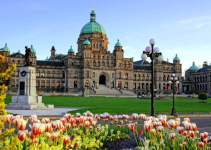
Vancouver looks picture-perfect in photos. Snow-capped mountains frame glass towers, ocean views stretch for miles, and cherry blossoms paint the streets pink each spring. But like any major city, there are spots where things feel off, where safety becomes a concern, or where you’ll just end up wasting time and money.
Whether you’re planning a move, visiting for the first time, or already living here, knowing which areas to skip can save you serious headaches. Some neighborhoods have reputation problems that persist for good reason. Others are tourist traps that deliver nothing but disappointment and an empty wallet.
This guide walks you through the places that locals have learned to sidestep, backed by crime statistics, firsthand experiences, and practical advice you can actually use.

Places to Avoid in Vancouver
These aren’t random picks based on hearsay. Each location on this list has earned its spot through documented issues, safety concerns, or legitimate reasons that affect residents and visitors alike.
1. Downtown Eastside (DTES)
The Downtown Eastside sits roughly between Main Street and Gore Avenue, stretching from Waterfront to Prior Street. This area has the unfortunate distinction of being one of the poorest postal codes in Canada, and walking through here reveals why that reputation sticks.
Open drug use happens on sidewalks in broad daylight. You’ll see people injecting substances, passed out in doorways, or experiencing mental health crises with no intervention in sight. The smell hits you first—a mix of urine, garbage, and something sour that’s hard to place. Property crime rates here are through the roof. Car break-ins, theft, and aggressive panhandling create an atmosphere that feels genuinely unsafe, especially after dark.
The area around Main and Hastings forms the epicenter of these problems. Community organizations work tirelessly to support people living here, and many residents are simply trying to survive impossible circumstances. But that reality doesn’t change the fact that you should avoid this area, particularly if you’re unfamiliar with the city. The risk of being in the wrong place at the wrong time is real.
If you accidentally end up here, stay alert. Keep your phone in your pocket, avoid eye contact with anyone acting erratically, and move through quickly without stopping. Don’t pull out expensive cameras or jewelry. The people here are dealing with addiction and mental illness, which makes behavior unpredictable.
2. Granville Street Entertainment District (Late Night)
Granville Street between Robson and Davie transforms after 10 PM. What functions as a regular shopping street during daylight becomes a mess of drunk partiers, street fights, and petty crime once the nightclubs open.
The strip has earned the nickname “the Granville strip” for good reason. Vomit pools on sidewalks. Groups of intoxicated people stumble between venues. Violence flares up regularly, with fights breaking out over nothing. Vancouver Police Department data shows this area consistently ranks among the highest for assault incidents in the downtown core.
I’ve watched situations escalate from shouting to physical violence in under thirty seconds. Bouncers at the clubs are there to protect their venues, not you on the street. If you’re looking for nightlife, head to Gastown or Yaletown instead. Those neighborhoods offer better bars, safer streets, and crowds that aren’t predominantly focused on getting blackout drunk.
The congestion alone makes this area miserable. Trying to walk through the sidewalk crowds feels like pushing through a mosh pit, except everyone’s sweating alcohol and no one’s watching where they’re going. Uber and taxi pickups become nightmares because cars can’t get through the traffic.
If you must be here late, stay in groups. Keep your wallet secure. Don’t engage with anyone looking for confrontation. The best advice? Just pick a different neighborhood altogether.
3. East Hastings (East of Main Street)
Continuing east on Hastings past Main Street takes you deeper into industrial zones mixed with neglected residential pockets. This isn’t tourist territory. This is where the city’s infrastructure problems and social issues converge in ways that create genuinely unsafe conditions.
Walking here alone, especially as a woman, invites unwanted attention. The lack of foot traffic means there’s no safety in numbers. Properties sit abandoned or barely maintained. Street lighting is poor in sections, creating dark stretches where visibility drops to almost nothing.
The VPD’s crime heat maps consistently show elevated rates of property crime, drug offenses, and violent incidents throughout this corridor. You won’t find trendy cafes or boutique shops here. What you will find are pawn shops, sketchy motels, and the kind of empty lots that feel ominous even in daylight.
Public transit through here exists, but waiting at bus stops puts you in vulnerable positions. If you’re commuting and this is on your route, stay aware of everyone around you. Trust your instincts. That feeling that something’s wrong probably means something is wrong.
4. Certain Parts of Surrey (Whalley/City Centre)
Technically outside Vancouver proper, but the reality is that many people consider the Greater Vancouver area as one region. Surrey’s Whalley neighborhood, particularly around King George Boulevard and 108th Avenue, has struggled with gang violence, drug activity, and property crime for years.
The Surrey RCMP releases annual statistics that paint a clear picture. This area leads the region in shootings, stabbings, and gang-related incidents. While city officials have invested heavily in revitalization projects, the problems persist. Walking through Whalley at night means passing groups hanging out in parking lots, hearing police sirens regularly, and seeing evidence of recent violence if you look closely enough.
That said, Surrey is huge and diverse. Many neighborhoods here are perfectly safe, family-friendly, and thriving. But Whalley specifically earns its spot on this list. The concentration of social housing, combined with inadequate support services, creates conditions where crime flourishes.
If you’re house hunting and see attractive prices in this area, dig deeper. Check crime statistics. Talk to current residents. Visit at different times of day. That cheap rent comes with trade-offs that might not be worth it.
5. Certain SkyTrain Stations After Dark
Vancouver’s SkyTrain system is generally safe and reliable, but specific stations become sketchy once evening hits. Stadium-Chinatown, Main Street-Science World, and Commercial-Broadway all see increased incidents of harassment, drug use, and theft after dark.
The problem stems from these stations serving as gathering spots for people with nowhere else to go. Transit security exists, but can’t be everywhere at once. You’ll encounter aggressive panhandling, people smoking substances on platforms, and individuals experiencing mental health episodes.
Women traveling alone report consistent experiences of being followed, catcalled, or approached by men, making them uncomfortable. The stations themselves have poor lighting in sections. Underground platforms create isolated pockets where help isn’t immediately available if something goes wrong.
Smart transit use means staying in well-lit areas while waiting, keeping your phone charged in case you need help, and sitting near the operator’s car on the train. If a station platform feels wrong, wait for the next train in a populated area or consider a different route home.
6. False Creek Seawall (Isolated Sections at Night)
The seawall offers stunning views and excellent walking paths during the day. At night, sections become too isolated for safety, particularly the stretches under the Cambie and Granville bridges.
These areas lack lighting and foot traffic after sunset. The path runs along the water with dense vegetation on one side and dark water on the other. No escape routes exist if someone approaches with bad intentions. Several incidents of assault and robbery have occurred in these isolated sections over the years.
Locals know to stick to populated areas after dark or avoid the seawall entirely. That gorgeous sunset walk can wait until you can do it safely during daylight hours or with a group. The risk of being caught in a vulnerable position isn’t worth the scenery.
If you’re running or biking and use the seawall regularly, vary your routes and times. Predictable patterns make you a potential target. Carry a phone, tell someone your route, and trust your gut if a section feels deserted in a way that makes you uncomfortable.
7. Gas Station Convenience Stores on East Hastings
These specific locations have become hotspots for theft, aggressive behavior, and drug-related activity. The combination of late hours, cash transactions, and location draws people looking for opportunities to steal or cause problems.
Staff at these stores deal with shoplifting constantly. Security footage shows the same individuals returning repeatedly to take items without paying. The stores have responded by locking up basic items like deodorant and razors, which tells you everything about the theft problem.
Violence occasionally erupts when staff confront shoplifters or when disputes occur between customers. Police are called frequently enough that response times stretch longer than they should. If you need gas or supplies in this area, use stations on other streets or wait until you’re in a different neighborhood.
The atmosphere inside these stores feels tense. Everyone’s watching everyone else. Staff members work behind plexiglass barriers. The bathrooms are locked and require asking for a key, which they often refuse to provide. Just go somewhere else.
8. Alleys in Gastown
Gastown looks charming from the main streets. The brick buildings, cobblestone accents, and tourist shops create an appealing historic atmosphere. Step into the alleys behind these polished facades and you’ll find a different reality.
These alleys serve as semi-permanent encampments for people experiencing homelessness. Makeshift shelters built from cardboard and tarps line the walls. The smell of human waste is overwhelming. Needles and drug paraphernalia litter the ground, creating genuine health hazards if you step on something.
The people living in these spaces are vulnerable and dealing with impossible circumstances. But wandering into these alleys puts you at risk too. Desperate situations lead to desperate actions. Getting cornered in a narrow alley with no clear exit is dangerous, plain and simple.
Stick to the main streets when exploring Gastown. There’s nothing back there you need to see. The tourist attractions, restaurants, and shops all face the primary roads. Those alleys exist as a stark reminder of the city’s ongoing housing and addiction crises, but they’re not places to explore out of curiosity.
9. Parking Lots Near Major Tourist Attractions
Car break-ins happen constantly at parking areas near popular spots like Stanley Park, English Bay, and Granville Island. Thieves have this down to a science. They watch for tourists, note which cars are getting packed with shopping bags or camera equipment, then smash windows and grab valuables the moment you walk away.
Signs warning about break-ins are posted everywhere, yet tourists still leave laptops, purses, and luggage visible in their vehicles. Takes about fifteen seconds to smash a window, grab a bag, and disappear. Vancouver police acknowledge they simply can’t patrol these lots effectively enough to prevent the crimes.
The frustration isn’t just the theft itself. Replacing a car window costs hundreds of dollars. Losing irreplaceable items like passports or medication creates enormous problems. Your trip gets derailed while you deal with police reports and insurance claims.
Never leave anything visible in your car, even if it looks worthless. Take everything with you or lock it in the trunk before arriving at your destination. Better yet, use public transit or ride-sharing to visit these tourist areas. Your car sitting in a hotel parking garage faces far lower risk than one parked near a beach or market.
10. Certain Sections of Commercial Drive Late Night
Commercial Drive has personality, culture, and some of the city’s best independent businesses. The stretch between Venables and 1st Avenue stays relatively safe and populated throughout the day. Late at night, things shift.
Groups gather outside bars and pubs, smoking and talking loud enough to carry blocks. Petty arguments occasionally escalate into shoving matches. The combination of alcohol, conflicting personalities, and the time of night creates a combustible environment.
Bike theft runs rampant along this street. Lock your bike, and thieves will still cut through cables in minutes. Smash-and-grab robberies targeting cars happen regularly. The area isn’t dangerous in the way the DTES is dangerous, but risks definitely increase after midnight.
During the day, Commercial Drive is fantastic. Great coffee, amazing food, interesting shops, and a community vibe that feels authentic. After about 11 P. M, though the character changes enough that you should stay alert and avoid lingering on quiet side streets.
Wrapping Up
Vancouver offers incredible experiences, beautiful neighborhoods, and generally safe conditions for residents and visitors. But pretending problem areas don’t exist helps no one. These ten locations all present genuine concerns that warrant caution.
Use this information to make smarter choices about where you spend time, particularly during vulnerable hours. Safety isn’t about living in fear. It’s about awareness, preparation, and avoiding situations where bad things are statistically more likely to happen.
Stay alert, trust your instincts, and enjoy everything this city has to offer from positions of knowledge rather than ignorance. That awareness makes all the difference.