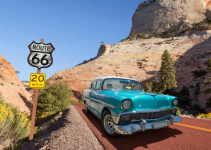
Arizona has this way of surprising you. You think you know what to expect—cactuses, desert heat, maybe some cowboy history—and then you round a corner and find yourself staring at red rocks that look like they belong on another planet, or standing on the edge of a canyon so massive your brain can’t quite process it.
I’ve spent enough time here to know that Arizona isn’t just one thing. It’s high-altitude pine forests and low desert valleys. It’s ancient Native American sites and quirky Old West towns. It’s places that make you reach for your camera every five minutes because the colors don’t seem real.
If you’re planning a trip here, you’re in for something special. Let me walk you through the spots that’ll make your Arizona adventure unforgettable.

Best Places to Visit in Arizona
Arizona offers experiences that range from jaw-dropping natural wonders to fascinating cultural sites. Here are ten places that should be on your radar, each offering something unique to your trip.
1. Grand Canyon National Park
Let’s start with the obvious one, because honestly, you can’t skip it. The Grand Canyon is that rare place where the hype is actually justified. Standing at the rim, looking out at a mile-deep chasm carved over millions of years, you feel small in the best possible way.
The South Rim is open year-round and offers all the necessary visitor facilities. You’ll find viewpoints like Mather Point and Yavapai Observation Station that give you those classic, postcard-perfect views. But here’s what I really want you to know: get there for sunrise or sunset. The way the light hits those layered rock formations, painting them in shades of orange, pink, and purple—it’s something photographs never quite capture.
If you’re up for a challenge, the Bright Angel Trail takes you down into the canyon itself. You don’t have to hike to the bottom (that’s an overnight trip), but even going down a mile or two and then coming back up gives you a completely different perspective. Your legs will remind you about it the next day, but it’s worth it. The temperature changes as you descend, the rock layers tell stories spanning hundreds of millions of years, and you’ll see fewer crowds the farther down you go.
The North Rim offers a quieter experience if you’re visiting between mid-May and mid-October when it’s open. Fewer tourists make the drive here, which means you might have entire viewpoints to yourself. That kind of solitude at a place this magnificent? Pretty special.
2. Sedona
Sedona hits differently than anywhere else in Arizona. Those red rock formations—Cathedral Rock, Bell Rock, Courthouse Butte—they glow. Seriously. Depending on the time of day, they shift from deep crimson to bright orange to almost purple. The whole town sits in a valley surrounded by these formations, so everywhere you turn, there’s another stunning view.
Hiking here is fantastic. The trails range from easy strolls to serious climbs, and most of them reward you with views that’ll make your jaw drop. Cathedral Rock Trail is tough (steep and rocky), but when you reach the top and sit among those red spires with 360-degree views, you’ll forget about your burning calves. Devil’s Bridge is another favorite—it’s a natural sandstone arch that you can actually walk across. Yes, it’s safe. Yes, it’s also a little thrilling.
But Sedona isn’t just about the outdoors. The town itself has this artsy, slightly mystical vibe. You’ll find galleries, shops selling crystals and spiritual goods, and some genuinely excellent restaurants. Tlaquepaque Arts & Shopping Village is this charming little spot designed to look like a Mexican village, packed with art galleries and cafes. Whether you’re into the metaphysical stuff or just looking for good food and pretty scenery, Sedona delivers. Plan to spend at least two days here if you can.
3. Antelope Canyon
This slot canyon near Page looks like nature decided to try its hand at abstract art. Water carved these narrow passages through Navajo sandstone over thousands of years, creating smooth, flowing walls that seem to move. Light beams shine down through the openings above, especially during midday in summer, illuminating the canyon in shafts of golden light.
You can only visit Antelope Canyon with a Navajo guide—it’s on Navajo Nation land—and you’ll need to book ahead, especially for the upper canyon where those famous light beams appear. The lower canyon requires climbing some stairs and ladders, but it’s less crowded and still absolutely beautiful. Photography tip: even your phone will take amazing shots here, but bring a DSLR or mirrorless camera if you have one. The way light plays on those curves and colors is something photographers dream about.
Tours last about an hour, and your guide will show you the best spots and angles for photos. They’ll also share stories about the canyon’s significance to the Navajo people. The experience feels sacred, which makes sense—this place has been important to Native communities for generations. Summer brings those iconic light beams, but spring and fall offer cooler temperatures and still-gorgeous colors in the rock.
4. Monument Valley
If you’ve seen a Western movie, you’ve probably seen Monument Valley. Those massive sandstone buttes rising from the flat desert floor? They’re icons of the American Southwest. This is Navajo Tribal Park, so it’s managed by the Navajo Nation, and that matters. Your visit here directly supports the local community.
You can drive the 17-mile loop road yourself (it’s unpaved and bumpy, so take it slow), or hire a Navajo guide for a tour. I’d recommend the guided option if your budget allows. Guides can take you to areas off-limits to the general public, and they share stories and perspectives you won’t get otherwise. Learning about the formation names in Navajo and hearing about the valley’s place in Navajo culture adds depth to the visual spectacle.
Stay for sunset if possible. As the sun drops, those buttes glow red, and the shadows stretch long across the valley floor. The View Hotel on-site has rooms facing the monuments—waking up to that sunrise view is bucket-list worthy. But even if you’re just passing through, give yourself a few hours here. The scale of these formations, the way they dominate the horizon, the profound silence except for the wind—it stays with you.
5. Horseshoe Bend
Just south of Page, the Colorado River makes a dramatic 270-degree turn, carving a horseshoe shape into the rock. You’ll walk about three-quarters of a mile from the parking lot (it’s paved now, thank goodness, because Arizona sun on sand was brutal before), and then suddenly you’re standing at the edge of a 1,000-foot drop looking down at this incredible curve of blue-green water.
The viewpoint has railings now, which is good—the drop is sheer and dizzying. But they’re placed far enough back that you still get unobstructed views. Go in the morning or late afternoon. Midday sun can be harsh both for photos and for your comfort. The lighting at sunset turns everything golden, and you’ll see why this spot has become such a photography favorite.
It’s free to visit, though parking costs a small fee. The hike is manageable for most people, but bring water. This is desert, and that walk back to your car in the afternoon heat is no joke without hydration. Plan for 1-2 hours total, including time to soak in the view and take photos. If you’re already visiting Antelope Canyon (which is only about 10 minutes away), this makes a perfect addition to your day.
6. Saguaro National Park
Those giant cactuses with the arms reaching up? They’re saguaros, and this park near Tucson is where you’ll see forests of them. The park has two sections—east and west of Tucson—and both are worth exploring. These cactuses grow slowly (really slowly—they don’t even start growing arms until they’re 75-100 years old) and can live for 200 years. Walking among them feels like being in a botanical garden designed by someone with a sense of humor.
The west section, Tucson Mountain District, has easier access and some excellent short hikes. Desert Discovery Nature Trail is paved and wheelchair accessible, perfect if you want to get close to saguaros without a strenuous walk. Valley View Overlook Trail gives you views across the entire valley, with countless saguaros marching up the hillsides. The east section, Rincon Mountain District, offers more serious hiking if you want it, including trails that climb into actual pine forests. Yes, pine forests. Arizona does that.
Visit in spring (March through May) if possible. That’s when wildflowers bloom across the desert, adding splashes of yellow, purple, and orange to the green and brown tones. The saguaros themselves bloom with white flowers in late April and May. Pro tip: go for sunrise or sunset. The golden hour light on these giant cactuses, with the mountains behind them, is photography gold. Plus, the desert heat is much more manageable at those times.
7. Phoenix and Scottsdale
Phoenix is sprawling, sunny, and surprisingly green for a desert city. Old Town Scottsdale, just east of Phoenix, gives you that Southwest vibe with art galleries, Western shops, and restaurants serving everything from Mexican food to upscale farm-to-table cuisine. The Desert Botanical Garden in Phoenix showcases desert plants from around the globe, and walking the trails there (especially in the cooler months) teaches you just how diverse and beautiful desert ecosystems can be.
For culture, check out the Heard Museum. It’s dedicated to Native American art and history, particularly focusing on tribes from the Southwest. The collection is extensive, the exhibits are thoughtfully curated, and you’ll leave with a much deeper understanding of the region’s indigenous heritage. Musical Instrument Museum is another unexpected gem—it has instruments from every country in the world, and you can hear what they sound like.
Phoenix also serves as a great base for day trips. You’re within driving distance of most places on this list. The food scene here is excellent, with authentic Mexican restaurants, innovative chefs doing modern Southwestern cuisine, and everything in between. If you’re visiting in winter, locals will tell you this is paradise—highs in the 60s and 70s, sunny skies, perfect hiking weather. Summer is a different story (we’re talking 110°F+), but that’s when hotel prices drop significantly if you can handle the heat.
8. Flagstaff
At 7,000 feet elevation, Flagstaff is Arizona’s mountain town. Pine trees, four distinct seasons (including actual snow in winter), and temperatures that can be 30 degrees cooler than Phoenix. It’s a college town (Northern Arizona University is here), which gives it a youthful energy, good coffee shops, and a solid selection of restaurants and breweries.
Downtown Flagstaff is walkable and charming. Historic Route 66 runs right through town, and you’ll see vintage neon signs and old motor lodges that take you back to road trip glory days. Mother Road Brewing Company makes excellent craft beer if that’s your thing. The town also serves as a gateway to the San Francisco Peaks, Arizona’s highest mountains. You can ride the scenic chairlift at Arizona Snowbowl in summer for incredible views, or hit the slopes in winter.
Lowell Observatory, founded in 1894, is where Pluto was discovered. You can tour during the day and return for evening stargazing programs. The dark skies around Flagstaff (the city has lighting ordinances to reduce light pollution) make for spectacular night sky viewing. If you’re driving from Phoenix to the Grand Canyon, Flagstaff makes a perfect overnight stop. It breaks up the drive and gives you a completely different Arizona experience—pine-scented air and all.
9. Lake Powell
This massive reservoir on the Colorado River creates a surreal contrast—bright blue water surrounded by red and orange rock formations. Houseboating on Lake Powell is a classic Arizona experience. You can rent a houseboat (they sleep anywhere from 8 to 14 people), stock it with food and drinks, and spend days cruising the lake, finding secluded coves to anchor in for swimming and exploring.
Even if houseboating isn’t your style, there’s plenty to do. Kayaking and paddleboarding let you access narrow side canyons that bigger boats can’t reach. Some of these canyons have smooth, water-carved walls similar to Antelope Canyon. Rainbow Bridge National Monument, accessible only by boat or long hike, is one of the world’s largest natural bridges and holds deep spiritual significance for several Native American tribes.
The town of Page sits on the southern end of the lake and makes a good base. From here, you can easily visit Antelope Canyon, Horseshoe Bend, and Lake Powell in the same trip. The lake is huge—almost 2,000 miles of shoreline—so you could spend weeks exploring and still not see it all. Best times to visit: late spring (May-June) or early fall (September-October) when temperatures are pleasant but the water is still warm enough for swimming.
10. Tombstone
This one’s different from everything else on the list, but if you want a taste of Wild West history, Tombstone delivers. This is where the Gunfight at the O.K. Corral happened in 1881, and the town has leaned hard into that legacy. Walking down Allen Street, the main drag, you’ll see wooden sidewalks, saloons with swinging doors, and people in period costume.
Is it touristy? Absolutely. Does that make it less fun? Not really. The O.K. Corral has reenactments throughout the day where actors playing Wyatt Earp, Doc Holliday, and the Clanton gang recreate the famous shootout. Big Nose Kate’s Saloon still serves drinks (it’s a real bar, not just a museum). Boot Hill Graveyard, where many of Tombstone’s early residents are buried, has headstones with darkly funny epitaphs.
If you’re a history buff, this place offers a tangible connection to the Old West era. The town nearly became a ghost town when the silver mines flooded in the 1880s, but it survived partly thanks to its notorious history. You can tour the Birdcage Theatre, once a theater and saloon known for gambling and entertainment (and reportedly haunted, if you’re into that). Plan on 2-3 hours here—it’s small enough to see easily in an afternoon. Combine it with a visit to nearby Bisbee, a former mining town that’s now an artsy community full of galleries and cafes, and you’ve got a great day trip from Tucson.
Wrapping Up
Arizona packs an incredible amount of variety into one state. You can stand at the edge of one of Earth’s most famous canyons, walk through slot canyons that glow orange, hike among giant cactuses, and explore an Old West town—all in the same trip. Each place on this list offers something you can’t get anywhere else.
Start planning with your must-sees, but leave room for spontaneity. Some of my best Arizona memories came from pulling over at unmarked viewpoints or following recommendations from locals.
This state rewards curiosity. Pack your sunscreen, bring more water than you think you need, and get ready for landscapes that’ll make you stop mid-sentence to stare.