Rain has its charm, sure. But there’s something about drenched clothes, cancelled plans, and muddy trails that can turn a dream vacation into a soggy disappointment. If you’re planning a trip during India’s monsoon months—roughly June through September—you’re probably wondering where you can actually go without getting caught in endless downpours.
Here’s the good news: India is massive and incredibly diverse. While one part of the country gets hammered by heavy rains, another stays beautifully dry and sunny. You just need to know where to look.
This guide will walk you through ten incredible destinations where you can soak up sunshine instead of rain, enjoy clear skies, and experience India at its absolute best while the rest of the country deals with umbrellas and raincoats.
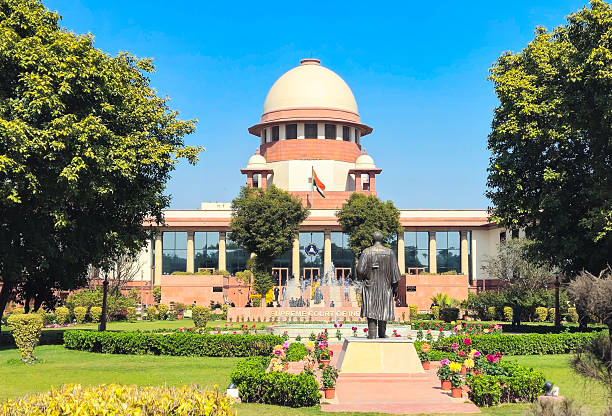
Best Places to Visit in India to Avoid Monsoon
These destinations offer sunny skies, dry weather, and unforgettable experiences during the rainy season elsewhere. Each spot has its own unique flavor, and you’ll find something here whether you’re after mountain adventures, desert sunsets, or ancient temple towns.
1. Ladakh: Where the Rain Shadow Keeps Everything Crisp and Clear
You’ve probably seen those Instagram photos of bikes cruising through barren mountains with impossibly blue skies overhead. That’s Ladakh for you. Sitting in the rain shadow region of the Himalayas, this cold desert receives minimal rainfall even during peak monsoon months. We’re talking about less than 100mm of rain annually in some areas.
The weather here during monsoon season is actually ideal for travel. Daytime temperatures hover around a comfortable 15-20°C, and the roads finally become accessible after winter’s snow melts. You can ride through Khardung La, one of the highest motorable passes on the planet, without worrying about landslides or roadblocks. The monasteries scattered across the region—Hemis, Thiksey, Diskit—stand against crystal-clear skies that photographers dream about.
What really makes Ladakh special during these months is the accessibility. All the high-altitude lakes like Pangong Tso and Tso Moriri are reachable, their waters reflecting the cloudless sky in shades of turquoise and blue that seem almost fake. The local festivals, particularly Hemis Festival in June or July, add cultural richness to your trip.
Pack warm clothes though. Those clear skies mean cold nights, sometimes dropping close to freezing even in summer. But trust me, waking up to crisp mountain air and sunshine beats dodging puddles any day.
2. Spiti Valley: The Middle Land That Rain Forgot
Spiti Valley lives up to its name—”The Middle Land”—sitting between India and Tibet with terrain so stark it could pass for another planet. Like Ladakh, it benefits from being in the rain shadow of the Himalayas. The monsoon barely touches this place, leaving you with dry, sunny days perfect for exploration.
Getting here is an adventure itself. The roads through Kinnaur or over Rohtang Pass open up during monsoon months, and suddenly, this remote valley becomes accessible. You’ll pass through villages where time seems to have paused centuries ago. Tabo, with its thousand-year-old monastery, houses ancient murals that have survived precisely because this region stays so dry.
The stark beauty hits differently here compared to greener hill stations. No lush forests or gushing waterfalls—instead, you get raw mountain faces in shades of brown and grey, punctuated by tiny green patches where villages cling to existence. Key Monastery perches on a hilltop like something out of a fantasy novel. The Chandratal Lake, accessible during these months, sits at 4,300 meters with water so clear you can see straight to the bottom.
Stay in homestays if you can. Local families offer simple but warm hospitality, serving butter tea and sharing stories about life in one of the most remote corners of India. The lack of commercial tourism infrastructure means you’ll experience something genuine, something that hasn’t been polished for tourists.
3. Rajasthan’s Desert Cities: Sunshine Guaranteed
While most of India deals with humidity and rain, Rajasthan stays true to its desert character. Jaipur, Udaipur, Jaisalmer, Jodhpur—these cities see negligible rainfall even during monsoon season. Sure, you might catch the occasional drizzle, but it’s so rare that locals actually celebrate when it happens.
Jaipur’s palaces look stunning under clear blue skies. The Hawa Mahal’s intricate facade, the sprawling Amber Fort, the astronomical instruments at Jantar Mantar—you can explore them all without worrying about sudden downpours interrupting your plans. The pink sandstone of the city buildings takes on different hues as the sun moves across the sky, creating endless photo opportunities.
Head west to Jaisalmer, and you’ll find yourself in the Thar Desert where rain is almost mythical. The golden sandstone fort rises from the desert floor, and you can camp under stars so bright they seem close enough to touch. Camel safaris work perfectly during these months because the slightly cooler temperatures make desert travel more comfortable than the scorching summer.
Udaipur offers a different flavor with its lakes and palaces. Even though it gets slightly more rain than other Rajasthani cities, it’s still minimal compared to the rest of India. The City Palace complex, with its mirror work and courtyards, the serene Lake Pichola, the sunset views from Sajjangarh—all remain accessible and enjoyable. The brief showers that do occur bring out the fragrance of the earth and make the temperature drop pleasantly.
4. Nubra Valley: Sand Dunes in the High Desert
Crossing Khardung La takes you into Nubra Valley, a high-altitude desert where rainfall is practically unheard of. Double-humped Bactrian camels walk through sand dunes at Hunder, creating scenes that look like they belong in Central Asia rather than India.
The valley floor sits at around 10,000 feet, much lower than Leh, making it feel warmer and more welcoming. Rivers fed by glaciers cut through the barren mountains, creating thin ribbons of green along their banks. Villages like Turtuk, near the Pakistani border, offer glimpses into Balti culture that’s distinct from the rest of Ladakh.
What makes Nubra special during the monsoon months is the contrast. While lower regions flood, you’re walking through dunes with snow-capped peaks in the background. The monasteries here, particularly Diskit with its giant Maitreya Buddha statue, see fewer crowds than those near Leh, giving you space to absorb the atmosphere without jostling for position.
The drive itself counts as an experience. The road winds through mountains that change color as light shifts, and you’ll spot wildlife like ibex and marmots if you’re patient. Stay in camps or homestays along the river, where you can hear the water rushing past your tent at night while staring at stars undimmed by any hint of moisture in the air.
5. Lahaul Valley: Hidden Gem with Perfect Timing
Most people overlook Lahaul in favor of its better-known neighbors, which is exactly why you should consider it. This valley remains cut off from the rest of India until June when the Rohtang Tunnel or pass opens, and it stays beautifully dry through the monsoon months.
Keylong, the headquarters, sits surrounded by dramatic peaks and serves as a base for exploring nearby villages. The landscape here feels different from Spiti—slightly greener, with more flowing water from glacial melt. The monasteries combine Buddhist and Hindu influences, reflecting the valley’s position as a cultural crossroads.
Jispa makes an excellent stop if you’re driving through. Small, quiet, sitting by the Bhaga River, it’s the kind of place where you can spend a day doing absolutely nothing except watching the river and mountains. Suraj Tal, one of the highest lakes in India, becomes accessible during these months, though you’ll need proper acclimatization before attempting the climb.
The weather stays dry and pleasant, with daytime temperatures comfortable enough for hiking but cool enough to need a jacket by evening. Local homes offer homestays where families treat you to traditional Lahauli cuisine—think hearty stews and fresh bread baked in outdoor ovens. The lack of tourist infrastructure means you’ll need to plan ahead, but that’s exactly what keeps this valley authentic.
6. Kutch, Gujarat: Where Desert Meets Culture
Kutch throws you into a different India entirely. This vast salt desert region stays dry year-round, but visiting during monsoon months gives you a unique advantage—the Rann starts to transform after any sparse rains, though the main area remains dry and accessible.
Bhuj, the main city, offers historic sites like Aina Mahal and Prag Mahal that you can explore comfortably in dry weather. But the real magic lies in the villages surrounding the city. Artisan communities have preserved traditional crafts for centuries. Watch bandhani tie-dye being created in Ajrakhpur, marvel at intricate embroidery in Bhujodi, observe bell-making in Nirona. These aren’t tourist shows—these are living traditions where families pass down skills through generations.
The Great Rann itself stays mostly dry and accessible during monsoon months, though it’s not the stark white salt desert you see during Rann Utsav in winter. Instead, you get a different experience—the land in transition, occasional patches of water creating mirrors for the sky, flamingos wading through shallow pools.
Dholavira, one of the five largest Harappan sites, sits in the middle of this region. Walking through ruins that date back 5,000 years under clear skies connects you to civilizations that thrived in this harsh climate long before modern conveniences.
7. Hampi, Karnataka: Ancient Ruins Under Sunny Skies
Karnataka’s interior region, where Hampi sprawls across a boulder-strewn territory, receives significantly less rain than the coast. While coastal areas get drenched, Hampi remains relatively dry with occasional showers that clear up quickly.
The ruins of the Vijayanagara empire spread across 26 square kilometers, offering endless exploration. Temple complexes with intricate carvings, royal quarters, water channels, markets—all sitting among giant boulders that look like they were casually tossed by giants. The Tungabhadra River flows through the site, and during monsoon months, it actually has water, making the setting more picturesque than during dry summer months.
Climbing Matanga Hill for sunrise becomes a transcendent experience. The ruins spread below you as the sun turns the boulders and temples golden. Monkeys chatter in nearby trees, and if you’re lucky, you’ll have the summit mostly to yourself. The Vittala Temple complex, with its famous stone chariot and musical pillars, stays open and accessible.
Stay in Hippie Island across the river for a more relaxed vibe, or stick to Hampi Bazaar for proximity to the main sites. Either way, you’ll find cafes serving good coffee and better views, places where you can rest between explorations without worrying about monsoon disruptions.
8. Rann of Kutch: Salt, Sky, and Silence
Yes, Rann of Kutch appears twice on this list, but the Great Rann and Little Rann deserve separate mention because they offer different experiences. While the Great Rann focuses on cultural villages and crafts, the Little Rann specializes in something unique—the Wild Ass Sanctuary.
This sanctuary protects the Indian Wild Ass, found nowhere else on the planet. During monsoon months, the scattered rains create patches of grassland across the salt flats, and these endangered animals become easier to spot as they gather near vegetation. Safari vehicles take you across the white expanse, and the sight of these creatures running across the salt flat with mountains in the distance stays with you.
The Rann stays mostly dry even during the monsoon. Any rain that does fall evaporates quickly in the heat, leaving behind crystallized salt patterns. The stark beauty of this place—endless white meeting endless blue sky—creates a sense of space that’s hard to find elsewhere. Photography becomes addictive because the light here is phenomenal.
Stay in Dasada or nearby villages in simple accommodations. The lack of luxury hotels means you’ll experience the region more authentically. Local guides know where to spot wildlife and can explain the unique ecology of this salt desert that somehow supports life despite looking utterly barren.
9. Kinnaur Valley: Apples, Monasteries, and Mountain Air
Kinnaur sits in the rain shadow as you move away from the greener parts of Himachal Pradesh. This valley receives significantly less rain than places like Manali or Shimla, making it perfect for monsoon travel. The landscape here blends Himalayan and Tibetan influences, with villages perched on hillsides growing apples, apricots, and chilgoza pine nuts.
Kalpa offers stunning views of the Kinner Kailash range, sacred in Hindu mythology. The old wooden temples here, with slate roofs and intricate carvings, represent architectural styles you won’t see elsewhere. Walking through apple orchards when the fruit is ripening, with mountain views in every direction and dry weather to enjoy it all, makes for perfect travel conditions.
Sangla Valley feels like something from a storybook. The Baspa River flows through, villages dot the hillsides, and the pace of life slows to a crawl. Stay in homestays where families serve local cuisine featuring rajma, siddu (steamed bread), and plenty of fresh fruit from their orchards. The culture here shows strong Tibetan influence, with Buddhist prayer flags fluttering alongside Hindu temple bells.
Chitkul, the last inhabited village near the Indo-Tibetan border, stays accessible during monsoon months. It claims to be India’s last village on the old Hindustan-Tibet trade route. Walking through this village, with wooden houses and small fields, gives you a sense of what mountain life has been like for centuries.
10. Andaman and Nicobar Islands: Tropical Paradise with a Twist
Hold on—islands during monsoon? Here’s the thing: Andaman and Nicobar Islands have a different monsoon pattern. They do receive rain, but it’s not the constant deluge you get on India’s mainland. Showers come and go, often in the evening or at night, leaving mornings and afternoons clear for beach time and water activities.
Port Blair serves as your entry point, with cellular jail and other colonial-era sites worth exploring. But the real attractions lie beyond. Havelock Island (now officially Swaraj Dweep) offers beaches like Radhanagar that regularly rank among Asia’s best. The water stays warm year-round, and visibility for snorkeling and diving remains good during monsoon months, particularly early in the morning.
Neil Island (Shaheed Dweep) gives you a quieter alternative with natural bridges, pristine beaches, and fewer crowds. The coral reefs around these islands teem with marine life—parrotfish, angelfish, sea turtles, and, if you’re lucky, manta rays. Diving centers operate year-round, though they may close for a day if the weather gets rough.
The rain does mean slightly lower prices and fewer tourists, which can work in your favor. You’ll have more beaches to yourself and can negotiate better deals on water sports. Just keep an eye on ferry schedules as they can be affected by rough seas. The lush green interiors of these islands become even more beautiful after rain, and the occasional storm provides dramatic sunset shows that clear-weather months can’t match.
Wrapping Up
Monsoon doesn’t have to mean cancelled travel plans. These ten destinations prove that India offers incredible experiences even when rain dominates most of the country. Whether you’re drawn to high-altitude deserts, ancient ruins, island beaches, or cultural villages, there’s a dry corner of India calling your name.
Pick your spot based on what speaks to you—adventure, culture, relaxation, or photography. Pack appropriately for varied conditions, even in these drier regions. Then go explore while everyone else assumes India is too wet to visit.