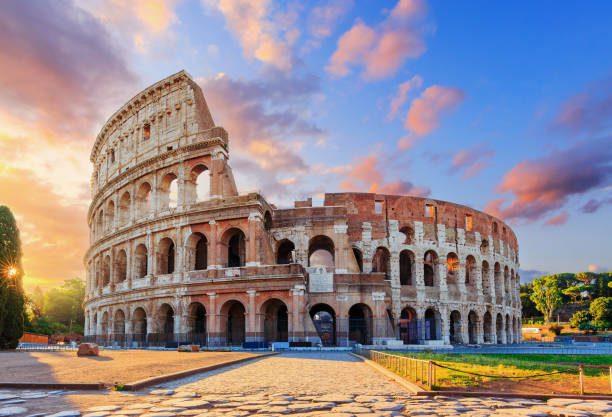
You’ve seen the photos. Venice is drowning in tourists. Florence’s Uffizi Gallery is packed shoulder-to-shoulder. The Colosseum line is snaking around the block for what feels like miles. Italy’s famous destinations can feel more like a battle zone than a vacation.
But here’s what most travelers miss. Italy has 7,600 miles of coastline, hundreds of medieval hill towns, and countless villages where you’ll find maybe three other tourists on a good day. These places offer the same stunning architecture, incredible food, and rich history without the selfie sticks and tour group chaos.
Your Italian escape doesn’t have to mean fighting crowds at the Trevi Fountain. Let’s explore ten spectacular alternatives where you can actually breathe, connect with locals, and experience Italy the way it deserves to be experienced.
Best Places to Visit in Italy to Avoid Crowds
These hidden gems offer everything you love about Italy’s famous spots—the culture, the cuisine, the scenery—without the overwhelming tourist masses. Each destination brings its own character and charm to your trip.
1. Matera, Basilicata
Picture ancient cave dwellings carved into limestone cliffs, their stone facades glowing golden at sunset. Matera feels like stepping onto a movie set—because it literally has been one, from “The Passion of the Christ” to recent Bond films. This UNESCO site sat forgotten for decades, which means it stayed beautifully preserved.
Your feet will trace pathways through the Sassi districts, where homes have been continuously inhabited for over 9,000 years. Yes, you read that right. Nine thousand years. People actually lived in these caves until the 1950s, and now many have been converted into boutique hotels where you can sleep in a centuries-old dwelling with modern comforts. The experience hits differently when you wake up in a cave that predates the Roman Empire.
The local bread, Pane di Matera, has Protected Geographical Indication status. It’s made with durum wheat flour and natural yeast, baked in wood-fired ovens, and stays fresh for up to nine days. You’ll find it in every restaurant, often served alongside hearty lamb dishes and local Aglianico wine. The food scene here focuses on peasant cuisine—simple, honest flavors that have sustained people for millennia.
Walking through Matera at night feels almost surreal. The caves light up, creating layers of warm illumination across the ravine. You might pass five other tourists. Maybe ten. Compare that to Rome’s Spanish Steps at sunset, where you’re competing with thousands for space.
2. Bergamo Alta, Lombardy
Most people racing to Milan’s fashion district have no idea that 30 miles away sits a perfectly preserved medieval city perched on a hilltop. Bergamo splits into two parts—the modern lower city and the old upper town, Bergamo Alta. That funicular ride up separates you from the 21st century.
Once you reach the top, massive Venetian walls encircle cobblestone streets that haven’t changed much since the 1500s. The Piazza Vecchia opens up like a stage set, with the Palazzo della Ragione standing guard since 1183. You can sit at a café here, order an espresso, and watch locals go about their daily business without a tour group in sight.
The food situation in Bergamo deserves its own paragraph. This is where casoncelli was born—half-moon shaped pasta stuffed with meat, bread crumbs, and cookies (yes, cookies), then topped with melted butter, pancetta, and sage. It sounds weird. It tastes incredible. Pair it with Valcalepio wine from the nearby vineyards, and you’ve got a meal that most tourists never discover.
The Accademia Carrara houses one of Italy’s finest art collections, featuring works by Botticelli, Raphael, and Bellini. On a random Tuesday afternoon, you might share the gallery with maybe a dozen other visitors. Try doing that at the Uffizi.
3. Tropea, Calabria
Perched on a cliff 200 feet above the Tyrrhenian Sea, Tropea gives you dramatic coastal views without the Amalfi Coast price tag or crowds. The water here glows in shades of turquoise and azure that look photoshopped but aren’t. The beaches spread out in white sand crescents, accessed by stairs carved into the cliff face.
This town runs on red onions. Seriously. The Cipolla Rossa di Tropea has IGP status and a sweetness that lets you eat it raw without crying or regretting your choices. You’ll find it in everything from pasta dishes to gelato (the onion gelato is actually good, though you’ll need to trust that leap of faith). Local restaurants serve it caramelized over swordfish, diced fresh in salads, and stuffed into focaccia.
The historic center winds through narrow alleys lined with buildings in shades of cream, pink, and ochre. The Sanctuary of Santa Maria dell’Isola sits on its own rocky outcrop, connected to the mainland by a walkway. Getting there means climbing more stairs, but the view from the terrace spans the entire coastline. Go at sunset when the light turns everything copper and gold.
Summer brings more visitors, but nothing compared to the Amalfi Coast’s sardine-tin situation. You can still find your own spot on the beach, swim in crystal-clear water, and eat dinner at a family-run trattoria where the grandmother is probably in the kitchen making pasta by hand.
4. Urbino, Le Marche
This Renaissance city feels like it’s been frozen since the 1400s, when it served as a major cultural center under Duke Federico da Montefeltro. The entire historic center earned UNESCO status, and walking through it explains why immediately. Brick buildings climb the hillside in perfect harmony, their proportions following Renaissance ideals of beauty and balance.
The Ducal Palace dominates the skyline, a massive complex that once housed one of Europe’s finest courts. Inside, you’ll find works by Piero della Francesca and Raphael (who was born here), displayed in rooms with original frescoes and intarsia woodwork that will make you stop and stare. The studiolo—the Duke’s study—features tromp-l’oeil wooden panels so detailed you’ll swear the books and instruments are real.
Because Urbino sits in Le Marche (a region most tourists skip), you won’t fight crowds at the palace or anywhere else. The city still functions as a university town, which means young people studying, cafés filled with students debating philosophy, and a living energy that many museum towns lack. That combination of Renaissance art and contemporary life creates something special.
The local crescia sfogliata—a flatbread made with lard and folded multiple times—comes hot from bakeries throughout the day. Grab one, maybe add some local cheese and prosciutto, and walk the city walls for panoramic views of the Marche countryside rolling away in green waves.
5. Ortigia, Sicily
This small island forms the historic heart of Syracuse, connected to the mainland by bridges but feeling like its own universe. Greek ruins coexist with Baroque churches, Arab influences show up in narrow alleyways, and the food pulls from centuries of Mediterranean cultures.
The Piazza del Duomo might be Italy’s most beautiful square. The cathedral incorporates columns from a 5th-century BC Greek temple dedicated to Athena—you can see them built right into the walls. The Baroque facade, added later, creates this surreal collision of ancient and ornate. Sitting at an outdoor table here with an Aperol spritz, watching the light change on the stones as evening comes, costs about a third of what you’d pay in Venice’s San Marco Square. And you can actually hear yourself think.
The Ortigia Market happens Monday through Saturday mornings, spreading through several streets near the Temple of Apollo. Vendors sell swordfish, sea urchins, wild fennel, blood oranges, and vegetables you might not recognize. This is where locals shop, which means quality stays high and prices stay reasonable. The energy peaks around 10 AM when everyone’s out buying ingredients for lunch.
You can swim right off the island at several points, where stone steps lead down to deep, clear water. No beach clubs, no entrance fees, just the Mediterranean Sea and some flat rocks for sunbathing. After your swim, hunt down a piece of mpanatigghi—a chocolate and meat pastry that reflects Arab influences and tastes nothing like you’d expect.
6. Civita di Bagnoregio, Lazio
They call it the dying city, which sounds dramatic until you see it. Civita sits on an eroding volcanic plateau, accessible only by a pedestrian bridge that spans a deep valley. The town is shrinking—literally—as the edges crumble away, with only about a dozen permanent residents left. This precarious situation creates an otherworldly atmosphere.
Walking across that bridge feels like entering a fantasy novel. The town materializes through the mist (it’s often misty in the mornings), all medieval stone buildings clustered on their island in the sky. Once you pass through the stone gate, the main street leads to a small piazza with a church and a few restaurants. That’s basically it. You can walk the entire town in twenty minutes.
But those twenty minutes matter. The quietness here has weight. You can hear birds, wind, and your own footsteps on ancient stones. Residents still hang laundry out their windows, tend small gardens, and chat with the few visitors who make the trek. One of the local restaurants serves simple pasta with truffle or wild boar ragù, wine poured from unlabeled bottles, and desserts made by someone’s nonna.
The views from the town’s edge—looking out over the valleys and across to the town of Bagnoregio—stretch for miles. This landscape of calanchi (badlands erosion) creates dramatic formations in grey and ochre clay. The entrance bridge costs 5 euros, a fee that helps maintain what’s left of this ancient settlement. Get there early morning or late afternoon when day-trippers have left.
7. Bologna’s Porticoes, Emilia-Romagna
Hold on—Bologna isn’t exactly unknown. But most tourists hit the famous towers, take a food tour, and leave. They miss the real magic, which happens under the porticoes, those covered walkways stretching for 38 kilometers through the city. UNESCO just recognized them in 2021, but locals have walked these arcaded sidewalks for centuries.
Start at Piazza Maggiore, but then peel off into the neighborhoods. Follow the porticoes through streets where university students spill out of wine bars, past shops selling handmade pasta and mortadella thicker than your arm, through residential areas where people walk their dogs and carry groceries home. The porticoes protected medieval merchants from the weather. Now they create a uniquely Bolognese rhythm of light and shadow.
The climb to Santuario della Madonna di San Luca takes you up the longest porticoed walkway on Earth—nearly four kilometers of covered archways leading to a hilltop sanctuary. 666 arches (that number is intentional). The walk takes about an hour, but you’re protected from the sun and rain the whole way. At the top, the view spans the entire city and the Apennines beyond. Coming back down at sunset turns those arches into frames for the golden-hour city below.
Everyone talks about Bologna’s food scene, but they undersell it. This is ground zero for tagliatelle al ragù, tortellini in brodo, and mortadella. Not the sad lunch meat version—the real thing, studded with pistachios and black peppercorns. Hit Osteria dell’Orsa for authentic Bolognese cuisine in a no-frills setting where locals actually eat. Skip the pasta tours designed for tourists.
8. Procida, Campania
While everyone piles onto Capri’s hydrofoils, tiny Procida keeps its fishing village soul intact. This volcanic island has only 10,000 residents and none of Capri’s glitz or Ischia’s resort sprawl. The houses paint the waterfront in pastels—lemon yellow, coral pink, sky blue—creating scenes that look arranged by a film director but aren’t.
Marina Corricella, the oldest fishing village on the island, tumbles down to the water in a cascade of colorful buildings with external staircases and arched doorways. Fishing boats still tie up at the harbor every morning, their owners selling the catch directly to restaurants lining the waterfront. You can eat spaghetti alle vongole made with clams bought an hour ago from the boat visible through the restaurant window.
The island reveals itself slowly. Rent a scooter or walk the narrow roads connecting quiet beaches, hidden coves, and viewpoints over the sea. Chiaiolella beach curves around a natural harbor, with clear shallow water perfect for swimming. Pozzo Vecchio beach sits in a more remote location, requiring a walk down steep paths but rewarding you with isolation.
The local lemons here rival any on the Amalfi Coast—thick-skinned and intensely fragrant. Every meal seems to involve them somehow, from pasta dishes to granita to the limoncello that appears after dinner. Being named Italy’s Culture Capital for 2022 brought some attention to Procida, but it remains blissfully under the radar compared to its flashier neighbors across the bay.
9. Ascoli Piceno, Le Marche
Two hundred medieval towers once dominated this town’s skyline. Fifty remain, creating a vertical cityscape that rivals any Tuscan hill town but without the tourist buses. Ascoli Piceno sits in southern Le Marche, surrounded by mountains and connected to Rome by about a two-hour drive that most tourists never make.
The Piazza del Popolo might be Italy’s most elegant Renaissance square. Enclosed on three sides by porticoes, anchored by the Palazzo dei Capitani, paved in travertine that glows in the afternoon light—it functions as the city’s living room. Locals meet for coffee here, students sprawl on the steps, evening brings the passeggiata. The scale feels human, not overwhelming.
But here’s why food lovers should rush to Ascoli. This is ground zero for olive all’ascolana—large green olives stuffed with spiced meat, breaded and fried to golden perfection. Every bar and restaurant serves them, each claiming their nonna’s recipe is the authentic one. They’re served as appetizers before lunch and dinner, with aperitivo, at festivals. You cannot escape them. You won’t want to.
The town’s medieval quarter spreads out in a maze of narrow streets, stone buildings, tiny piazzas, and ancient churches. The Battistero di San Giovanni, a 12th-century octagonal building, sits on a quiet square where you might be the only visitor. The Cathedral of Sant’Emidio houses a Carlo Crivelli polyptych that art historians consider a masterpiece, displayed in a side chapel most people walk right past.
10. Locorotondo, Puglia
Up in Puglia’s Itria Valley, Locorotondo earns its name—literally “round place”—from its circular layout atop a hill. The historic center forms a perfect spiral of whitewashed buildings with grey stone roofs, narrow streets, flowerpots spilling color from every balcony and stairway. This is trulli country (those conical-roofed stone huts), but Locorotondo does it with more grace and less tourism than nearby Alberobello.
Walking these streets feels like navigating a labyrinth designed for serendipity. You’ll get pleasantly lost, turn corners to find courtyards with lemon trees and bougainvillea, stumble onto viewpoints where the valley spreads out in a patchwork of vineyards and olive groves. The town produces excellent white wine—Locorotondo DOC—crisp and floral, perfect with the local seafood and vegetables.
Every building seems to compete for cleanliness. The whitewash gets refreshed constantly, keeping everything gleaming. The stone streets look swept and scrubbed. Small details catch your eye—decorative ironwork on balconies, carved wooden doors, ceramic tiles with traditional patterns. This pride in appearance runs deep here, creating a town that feels cared for and loved.
The local food focuses on vegetables and pasta. Orecchiette with cime di rapa (turnip greens) appears on every menu, often prepared simply with garlic, olive oil, and anchovy. The bread comes from wood-fired ovens, crusty and substantial. Lunch might include burrata so fresh it still oozes milk, tomatoes that actually taste like tomatoes, and bitter greens sautéed with good oil. Nothing fancy. Nothing needs to be.
Wrapping Up
Your Italy doesn’t have to look like everyone else’s Instagram feed. These ten places offer something better than the famous spots—they offer space, authenticity, and the chance to experience Italian life without performing in a tourist circus.
The crowds will always pack into Venice, Florence, and Rome. Let them. While they’re queuing for hours and paying inflated prices, you’ll be eating olive all’ascolana in a quiet piazza, swimming off a Sicilian island, or walking medieval streets where locals actually live. That’s the Italy worth finding.
Start planning your trip to these hidden corners. Your future self—the one who actually got to relax and connect with Italian culture—will thank you for it.