Phoenix has this reputation for sunshine and endless possibilities, but here’s what nobody tells you when you’re planning your visit or considering a move: not every neighborhood sparkles under that desert sun. Some areas have their share of challenges that can turn your experience sour faster than milk left in a car during July.
I’m not here to bash the city. Phoenix has incredible pockets of culture, food, and community. But knowing which areas to skip can save you from uncomfortable situations, safety concerns, or just plain disappointment when you’re expecting something better.
Your time matters, and so does your peace of mind. Let’s talk about the spots that even locals tend to sidestep.
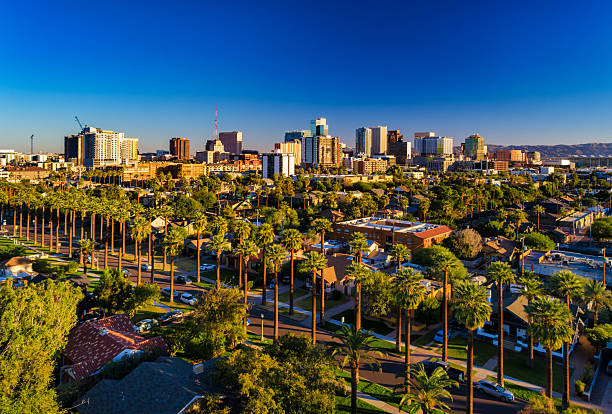
Places to Avoid in Phoenix
These areas have earned their reputations through crime statistics, economic struggles, or environmental concerns that make them less than ideal for visitors and residents alike. Here’s what you need to know before you venture out.
1. Central City South
This neighborhood sits right below downtown, and the contrast couldn’t be sharper. While downtown Phoenix has seen massive revitalization over the past decade, Central City South continues to struggle with some of the highest crime rates in the metropolitan area.
Property crimes happen here at rates that would make most people uncomfortable. We’re talking about car break-ins, theft, and vandalism that occur at nearly three times the city average. Walking around after dark isn’t something you want to risk, and even during daylight hours, you’ll want to stay aware of your surroundings.
The area lacks the basic infrastructure that makes a neighborhood feel safe and welcoming. Street lighting is inconsistent, and many buildings sit vacant or poorly maintained. You won’t find the cute coffee shops or friendly corner stores that make urban living enjoyable. What you will find is an area that’s been overlooked for investment and improvement for far too long.
Economic challenges plague this section of Phoenix. The poverty rate hovers around 40%, which creates a cascade of social issues that affect everyone in the area. If you’re looking for safe parking while exploring downtown, this isn’t your spot. Pay the extra few dollars to park in a monitored lot closer to your actual destination.
2. Maryvale
Ask any Phoenix resident about Maryvale, and you’ll likely see them wince a little. This large neighborhood on the west side carries a heavy reputation for good reason. The statistics back up what locals already know.
Violent crime rates here exceed the national average by significant margins. Gang activity has been a persistent problem for decades, despite various intervention efforts. The Phoenix Police Department has dedicated extra resources to the area, but challenges remain substantial. You’ll see more police presence here than in most Phoenix neighborhoods, which tells you something about the situation.
But here’s the thing about Maryvale: it’s not uniformly dangerous. Some pockets have families who’ve lived there for generations and take pride in their community. The problem is that as a visitor or newcomer, you won’t necessarily know which blocks are safer and which ones you should avoid entirely.
The housing stock is aging, and many properties show visible signs of neglect. If you’re apartment hunting or house shopping, you might be tempted by the lower prices here. Those savings come with trade-offs that include concerns about property crime, lower-quality schools, and limited access to amenities that other Phoenix neighborhoods take for granted.
3. Alhambra
This neighborhood northeast of downtown, has struggled to shake its troubled past. While some areas of central Phoenix have gentrified rapidly, Alhambra has lagged behind, still dealing with crime rates that make residents think twice about evening walks.
Gang presence remains a real issue here. Territorial disputes occasionally spill into violence that affects people who have nothing to do with criminal activity. Innocent residents and passersby have been caught in situations they never asked for.
The physical environment reflects the neighborhood’s struggles. You’ll see quite a few boarded-up buildings, graffiti that goes uncleaned for months, and streets that need serious maintenance. Parks exist here, but don’t feel particularly inviting or well-kept. If you have kids, you probably won’t feel comfortable letting them play without constant supervision.
Commercial options are limited and uninspiring. The grocery stores that do exist tend toward smaller, less well-stocked options with higher prices than you’d find in more prosperous areas. This creates what food policy experts call a “food desert,” where residents struggle to access fresh, affordable groceries. For visitors, this means there’s simply not much reason to venture into Alhambra unless you have specific business there.
4. South Mountain Village
The name sounds lovely, doesn’t it? Mountains, village vibes. But the reality on the ground is quite different from what the name suggests. This area in south Phoenix deals with crime rates that consistently rank among the highest in the city.
Property values here remain stagnant or declining while the rest of Phoenix sees appreciation. That tells you something about how the market views this area’s prospects. Investors and homebuyers alike tend to look elsewhere when they have options.
What really sets South Mountain Village apart in a negative way is the combination of crime and isolation. This neighborhood sits somewhat removed from Phoenix’s main commercial corridors, which means fewer eyes on the street and longer response times for emergency services. Distance from hospitals, quality schools, and shopping centers adds to the area’s challenges.
Environmental concerns also play a role here. Parts of South Mountain Village sit uncomfortably close to industrial areas, raising questions about air quality and long-term health impacts. If you’re sensitive to environmental factors, this isn’t where you want to spend your time.
5. Encanto Village (Certain Sections)
This one requires some nuance because Encanto Village is huge and contains everything from lovely historic homes to rougher areas that see significant crime. The name covers a massive swath of central Phoenix, and not all of it deserves caution.
That said, certain sections within Encanto Village, particularly those closer to the I-17 corridor and south of McDowell Road, have earned reputations for property crime and drug activity. Car thefts happen with alarming regularity in these pockets. If you park on the street overnight, there’s a non-trivial chance you’ll wake up to smashed windows or a missing vehicle.
Street-level drug sales create an environment that feels sketchy, especially after dark. You’ll see obvious signs of substance abuse issues affecting people living on the streets or in compromised situations. This isn’t something you can ignore or easily navigate around.
The area’s commercial strips along major roads like 19th Avenue show their age and economic stress. Many storefronts sit empty, and the businesses that do operate often have heavy security measures that signal the challenges they face. Bars on windows and security guards at convenience stores tell you what you need to know about the environment.
6. Downtown Phoenix (Certain Blocks After Dark)
Downtown has come incredibly far over the past 15 years. New restaurants, sports venues, and residential towers have changed the landscape dramatically. But even with all that progress, certain blocks still clear out after business hours and become uncomfortable or unsafe.
The area around the Human Services Campus, while serving an important social function, concentrates on individuals experiencing homelessness and mental health crises. This isn’t about stigmatizing vulnerable people but acknowledging the reality that the area can feel unpredictable and uncomfortable, particularly for those unfamiliar with handling such situations.
After major events at Chase Field or Footprint Center, crowds provide a buffer of safety in numbers. But on random weeknights when nothing’s happening, some downtown blocks feel deserted in a way that raises your alert level. The lack of ground-floor retail and residential presence on certain streets means there aren’t natural guardians keeping an eye out.
Aggressive panhandling happens more frequently here than in other Phoenix areas. Most interactions remain non-violent, but they can feel intimidating, especially if you’re not used to urban environments. Women walking alone report feeling particularly uncomfortable in certain areas after sunset.
7. Edison-Eastlake
This historic neighborhood near Sky Harbor Airport has struggled with crime and disinvestment for years. Aircraft noise alone makes it less desirable, but the area’s challenges run much deeper than sound pollution.
Crime statistics here paint a concerning picture. Both property crimes and violent incidents occur at rates well above Phoenix averages. The neighborhood has seen various revitalization efforts over the years, but progress remains slow and uneven.
The physical environment shows signs of long-term neglect. Many homes need serious repairs that owners either can’t afford or choose not to make. Vacant lots dot the landscape where structures once stood. Street maintenance is poor, with potholes and damaged sidewalks creating hazards for drivers and pedestrians alike.
Airport proximity creates constant noise pollution that affects quality of life in ways you might not anticipate if you’ve never lived near major flight paths. That rumble of jets overhead happens all day and night. Sleep quality suffers, and outdoor activities become less enjoyable when you’re constantly shouting over airplane noise.
8. The Areas Immediately Surrounding 27th Avenue and Indian School Road
This intersection serves as a hub for various activities you probably don’t want to be around. Drug trafficking, prostitution, and associated crimes create an environment that feels dangerous and unpredictable.
Law enforcement focuses significant attention on this area, which means you’re likely to encounter police activity if you spend time here. While that might sound reassuring, it actually indicates the severity of ongoing criminal activity that requires constant monitoring.
The businesses clustered around this intersection tend toward the seedy side. Sketchy motels that rent by the hour, liquor stores with heavy security, and businesses that seem to exist primarily as fronts for other activities. You won’t find family-friendly establishments or places where you’d feel comfortable spending time.
Pedestrian activity here raises red flags even during daylight hours. The people you see hanging around often aren’t there for legitimate business. Street-level drug transactions happen openly enough that you’ll recognize them even if you’ve never witnessed such things before.
9. Sunnyslope (Lower Elevation Areas)
Sunnyslope has pockets of charm, particularly at higher elevations where homes offer gorgeous views and a semi-rural feel. But the lower sections of this neighborhood struggle with crime and economic challenges that make them less appealing.
Drug activity has plagued lower Sunnyslope for decades. Methamphetamine use and distribution create associated problems, including theft, violence, and visible public disorder. Residents have pushed for increased police presence and community programs, but challenges persist.
The area’s commercial corridors along Central Avenue and routes through lower Sunnyslope show economic stress. Buildings sit empty or underutilized. The businesses that do operate often cater to lower-income demographics with limited options. Finding quality services or shopping requires traveling to adjacent neighborhoods.
Property values remain depressed compared to nearby areas, which perpetuates the cycle of disinvestment. Landlords sometimes neglect maintenance because they’re operating on thin margins with tenants who have limited options. This creates a physical environment that looks and feels run-down.
10. Sky Harbor Environs
Living or spending time immediately adjacent to Phoenix’s major airport brings obvious challenges. The constant aircraft noise creates a quality-of-life issue that affects everything from sleep patterns to conversation.
But noise isn’t the only concern in neighborhoods directly bordering Sky Harbor. Industrial activities, parking lots, and airport-related businesses dominate the landscape, creating an environment that feels more utilitarian than residential. You won’t find the neighborhood amenities that make an area feel like a community.
Security concerns arise because these areas see significant transient traffic from travelers and airport workers moving through at all hours. That constant flow of unfamiliar people makes it harder to develop the neighborhood cohesion that helps keep residential areas safe.
Air quality suffers from jet fuel emissions and the concentration of vehicle traffic heading to and from the airport. If you have respiratory sensitivities or concerns about long-term health impacts from air pollution, this isn’t where you want to be.
Wrapping Up
Phoenix offers tremendous opportunities for visitors and residents willing to explore its diverse neighborhoods. But like any major city, certain areas present challenges that make them worth avoiding if you have better options.
Your safety and comfort matter. Stick to the city’s thriving areas in Scottsdale, Tempe, Uptown Phoenix, Arcadia, and other established neighborhoods where you’ll find the best of what the Valley of the Sun has to offer. Save yourself the hassle and potential problems by giving these ten areas a wide berth.
The Phoenix you want to experience exists in abundance throughout the metro area. Focus your energy there instead.