Rio de Janeiro is breathtaking. The beaches, the mountains, the energy—it all pulls you in. But here’s what most travel guides won’t tell you straight: this city has neighborhoods where even locals won’t venture after dark, and some spots that look tempting but can quickly turn your dream vacation into a nightmare.
I’m not trying to scare you off. Rio deserves its reputation as one of the most beautiful cities on Earth. But you need to know where the real danger zones are, because wandering into the wrong favela or flashing your camera in certain areas can put you at serious risk.
Let me walk you through the places that should be red flags on your map. These aren’t just “sketchy” areas—they’re spots where crime rates speak for themselves and where tourists regularly become targets.
Places to Avoid in Rio de Janeiro
Rio’s geography creates pockets of extreme wealth next to areas of deep poverty, and that divide can catch visitors off guard. Here are the specific locations you need to steer clear of to keep your trip safe and enjoyable.
1. Cidade de Deus (City of God)
You might recognize this name from the famous film, but that movie isn’t an exaggeration—it’s a documentary-style glimpse into reality. Cidade de Deus remains one of Rio’s most dangerous favelas, and there’s absolutely no reason for you to visit.
Drug trafficking gangs control large sections of this neighborhood, and turf wars can erupt without warning. Shootouts between rival factions or with police happen regularly, sometimes in broad daylight. The residents here face daily challenges that tourists can’t comprehend, and your presence as an outsider immediately marks you as a potential robbery target.
Some tour companies actually offer “favela tours” that include Cidade de Deus. Skip them. The romanticized version they’re selling doesn’t match the harsh reality of gang violence and poverty. Your safety isn’t worth the Instagram photo, and honestly, it’s pretty exploitative to treat people’s hardship as a tourist attraction.
2. The Red Line (Linha Vermelha) Bus Routes
This highway connects the international airport to the city center, and many budget-conscious travelers think taking the bus along this route saves money. It doesn’t—it puts you at risk. Robberies on these buses are so common that even Rio natives avoid them, especially at night.
Thieves know exactly which buses carry tourists with luggage heading to or from the airport. They board like regular passengers, scope out their targets, and strike quickly. Your suitcase, phone, wallet—everything can disappear in seconds. The bus drivers often can’t or won’t intervene because they’ve been threatened too many times.
Pay the extra money for a taxi or ride-share from the airport. Better yet, arrange a hotel pickup. The bus might cost you 15 reais, while a taxi runs closer to 80, but getting robbed will cost you far more than that price difference. I’ve heard too many stories of travelers losing passports, credit cards, and electronics before they even reached their hotel.
3. Central do Brasil Train Station Area After Dark
During the day, this historic train station bustles with commuters and has plenty of activity. Once the sun goes down, though, the surrounding streets empty out fast—and that’s when the problems start.
The area becomes a hotspot for muggings, with groups of thieves targeting anyone who looks lost or vulnerable. The side streets and underpasses near the station turn into particularly dangerous zones where assailants can corner victims without witnesses. Even police patrols thin out significantly after evening rush hour.
If you’re exploring downtown Rio and lose track of time, don’t walk through this area to get back to your accommodation. Call a ride-share or taxi to pick you up from a well-lit, populated spot. The few blocks around Central do Brasil have some of the highest crime statistics in the city center, and those numbers jump dramatically after 8 PM.
4. Complexo do Alemão
This is actually a complex of multiple favelas in the North Zone, and it’s earned a reputation as one of the most violent areas in Rio. Armed groups maintain control here, and police operations regularly turn into firefights that put everyone in the area at risk.
The cable car system that runs through Complexo do Alemão occasionally attracts curious tourists who want a unique view. Don’t do it. The cable cars have been targeted in gang conflicts before, and riding through displays your complete lack of street awareness. Local authorities themselves warn against visiting this area.
What makes Complexo do Alemão particularly dangerous is its size and isolation from tourist zones. If something goes wrong here, help is far away. Emergency services often refuse to enter during gang conflicts, and your embassy won’t be able to reach you quickly. There’s no landmark, restaurant, or view here that justifies the risk.
5. Empty Stretches of Beach at Night
Rio’s beaches look magical under moonlight, and the sound of waves crashing creates a romantic atmosphere. That beauty masks serious danger. Muggings on empty beaches happen constantly, and you’re completely exposed with nowhere to run.
Copacabana and Ipanema might feel safe during the day when thousands of people pack the sand, but they transform after dark. Groups of robbers know tourists often take evening walks along the shore, and they strike quickly—sometimes violently if you resist. Your phone, jewelry, and wallet will be gone before you can react.
Even the beach kiosks that stay open late can’t protect you. The darkness between kiosks creates perfect ambush points. I know couples who thought a romantic beach stroll would cap off their Rio experience, only to have thugs surround them with knives, demanding everything they had. Save your beach time for daylight hours when crowds and visibility keep you safer.
6. Rocinha Favela Without a Trusted Guide
Rocinha is the largest favela in South America, home to somewhere between 70,000 and 200,000 people depending on who’s counting. It’s also heavily controlled by drug trafficking organizations that don’t appreciate unexpected visitors wandering through.
Some organized tours through Rocinha can be relatively safe if led by residents who have agreements with local powers. But going solo or with an inexperienced guide? That’s asking for trouble. The maze-like streets make it easy to get lost, and once you’re deep inside without knowing where you’re going, you become an easy mark.
The power dynamics inside Rocinha shift constantly. Areas that were considered safe last month might be contested territory this month. Shootouts between factions or with police can trap you in crossfire. Unless you have a genuine connection to someone who lives there and knows the current situation, keep Rocinha off your itinerary. Seeing poverty up close doesn’t make you culturally enlightened—it just puts you in danger.
7. Lapa’s Dark Side Streets After Midnight
Lapa is Rio’s nightlife hub, famous for samba clubs and street parties. The main streets with bars and music stay relatively safe because of crowds and police presence. Walk just one or two blocks off those main drags, though, and you enter a different reality.
The narrow side streets and alleys around Lapa become hunting grounds for thieves who specifically target drunk tourists stumbling away from the bars. They know you’ve been drinking, they know you might have cash from a night out, and they know you’re probably lost trying to find your way back to your hotel.
Stick to the well-lit main areas where the music and crowds are. When you’re ready to leave, call a ride-share and wait for it somewhere visible with other people around. Don’t try to walk back to your accommodation even if your hotel is “just a few blocks away.” Those few blocks have seen countless robberies, and alcohol slows your reaction time when you need it most.
8. Maracanã Stadium Surroundings on Non-Event Days
Maracanã is one of the most famous football stadiums in existence, and catching a match there ranks high on many visitors’ bucket lists. On game days, with thousands of fans and heavy security, the area is manageable. Visit on a random Tuesday afternoon to take photos of the outside? You’re risking your safety for no good reason.
The neighborhoods around Maracanã struggle with high crime rates, and an obvious tourist with a camera stands out immediately. Muggings happen regularly in the parking areas and on the streets leading to the stadium when no events are scheduled. There’s just not enough foot traffic or security presence to deter criminals.
If you want to see Maracanã, do it during an actual event when the area is packed and security is everywhere. Or book a tour that includes transportation directly to and from the stadium. Walking around the exterior just to say you saw it isn’t worth potentially losing your valuables or worse.
9. Anywhere Flashing Expensive Jewelry or Electronics
This isn’t technically a place, but it’s a behavior that turns any location into a danger zone. Rio’s inequality means that your average smartphone represents months of income for many residents, and wearing visible gold jewelry or designer watches paints a target on your back.
I’ve watched tourists walk through Copacabana with DSL cameras hanging around their necks, designer sunglasses perched on their heads, and iPhones in their hands. They might as well be carrying signs that say “rob me.” Thieves on motorcycles can snatch phones right out of your hand and disappear into traffic before you process what happened.
Keep your phone in your pocket or bag until you need it. Leave expensive jewelry at home. Wear a cheap watch or none at all. Carry a photocopy of your passport instead of the original. These simple precautions dramatically reduce your risk because they make you look less like a target compared to the tourist next to you with everything on display.
10. Public Transportation to the West Zone After Dark
Rio’s West Zone includes some residential areas and the Olympic Park, but it’s far from the main tourist areas and has limited public transit. Taking buses or trains out there after sunset puts you in poorly lit stations and on vehicles that criminals know carry few passengers.
The long stretches between stops give robbers plenty of time to work through a bus, threatening passengers and taking their belongings. Police presence is minimal in these areas compared to the South Zone, where most tourists stay. If something happens, you’re on your own for much longer than you’d be in Copacabana or Ipanema.
Unless you have a specific reason to visit the West Zone and a private car to get you there safely, skip it entirely. The beaches aren’t as nice as the famous ones, the restaurants aren’t as good, and the risk-to-reward ratio makes no sense for visitors. Stay in the established tourist areas where infrastructure and security actually exist to protect you.
Wrapping Up
Rio can be an amazing destination, but only if you respect the very real dangers that exist alongside the beauty. These ten places aren’t just slightly sketchy—they’re spots where crime statistics and personal safety concerns should override any curiosity or desire to see “authentic” Rio.
Your best Rio experience happens when you stick to the tourist-friendly neighborhoods during appropriate hours, stay aware of your surroundings, and don’t advertise your wealth. The city has so much to offer without venturing into high-risk areas.
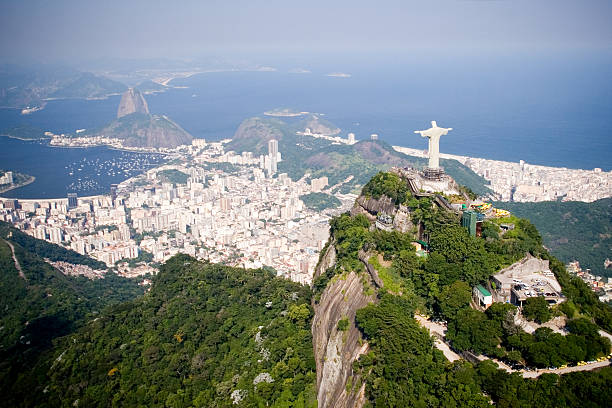
Enjoy Sugarloaf Mountain, relax on Copacabana during the day, explore Santa Teresa’s art scene—just do it smartly. Your safety matters more than any photo or bragging rights about going off the beaten path.