San Diego has this reputation. Sun-soaked beaches, perfect weather, laid-back vibes. The kind of place where you can sip your morning coffee overlooking the Pacific and feel like life just makes sense.
But here’s something they don’t always put on the postcards. San Diego is still a big city, and like any big city, it has its rough edges. Some neighborhoods where your car might get broken into. Some tourist traps that’ll drain your wallet faster than you can say “fish taco.” Some spots that just aren’t worth your time or energy.
This guide isn’t about scaring you off from America’s Finest City. It’s about helping you make smarter choices so your trip (or move) doesn’t come with unnecessary headaches.
Places to Avoid in San Diego
Look, most of San Diego is genuinely safe and wonderful. But these specific areas deserve extra caution or might be better left off your itinerary altogether.
1. East Village After Dark
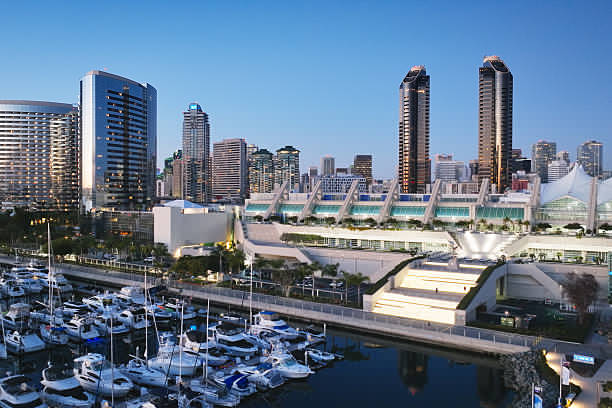
East Village sits right in the heart of downtown, packed with trendy condos, craft cocktail bars, and Petco Park where the Padres play. During the day, it’s got that urban energy that makes city living feel exciting.
Then the sun goes down, and things shift. The neighborhood struggles with a significant homeless population, particularly around certain blocks. You’ll see encampments, and while most unhoused individuals keep to themselves, the area can feel unpredictable. Crime rates in East Village run about 441% higher than the national average, according to recent statistics. That’s not a typo.
Car break-ins happen regularly here. Leave anything visible in your vehicle, even a gym bag or phone charger, and there’s a decent chance your window gets smashed. Assaults occur too, though they’re less common. Drug activity is visible on some streets.
Here’s the thing though. Plenty of people live in East Village and love it. The restaurants are fantastic. The walkability is great. Just be smart. Don’t walk alone late at night, especially on dimly lit side streets. Keep your belongings close. Park in well-lit areas or secure garages. If you’re visiting for a Padres game, head straight there and back without wandering too far off the main paths.
2. Kearny Mesa’s High-Crime Pockets
Kearny Mesa doesn’t look dangerous. It’s known for Asian restaurants (seriously, some of the best Korean BBQ and Vietnamese pho you’ll find outside their home countries) and commercial districts. Business parks. Strip malls. Nothing that screams “watch your back.”
Yet this neighborhood tops many lists as San Diego’s most dangerous area with crime rates 456% above the national average. Most of this is property crime. Stolen cars. Burglaries. Larceny. Stuff disappearing from vehicles parked outside offices.
The crime concentrates in specific parts of Kearny Mesa, not everywhere uniformly. You’re generally fine visiting during business hours for lunch at one of those amazing restaurants. But living here means dealing with constant vigilance about your possessions. Don’t leave bikes unlocked even for a minute. Always lock your car, even when running inside a shop “real quick.”
Violent crime does happen here too. Assaults and robberies occur at rates higher than you’d expect for what looks like a bland commercial area. If you’re apartment hunting, there are better neighborhoods for peace of mind.
3. Mission Valley’s Shopping Maze
Mission Valley feels like suburban America plopped down in San Diego. Big box stores. Chain restaurants. Snapdragon Stadium where San Diego State plays football. The Fashion Valley Mall attracts shoppers from across the county.
Traffic is terrible, first of all. The entire area sits along Interstate 8, and getting anywhere involves sitting in your car way longer than the distance suggests. But beyond the frustration of gridlock, Mission Valley has a crime problem that surprises people. Crime rates reach 363% higher than the San Diego average and 348% higher than the national average.
What makes this particularly frustrating is that there’s nothing unique here you can’t find elsewhere. Need to shop at Target? There are Targets in safer neighborhoods. Want chain food? It’s everywhere. The stadium is really the only draw worth the hassle, and even then, get in and get out.
Car break-ins plague the shopping center parking lots. Thieves cruise through looking for purses left on seats, packages visible through windows, anything easy to grab. Your odds of being a crime victim in Mission Valley sit at about 1 in 10. Those aren’t odds I’d take for an Olive Garden meal.
4. Little Italy’s Tourist Trap Tendencies
Wait, Little Italy? That charming neighborhood with the Italian restaurants and the Saturday farmers market? The one with Waterfront Park overlooking the bay?
Yes, that Little Italy. Here’s the complicated truth about this neighborhood. It is charming. The ambiance is real. Some restaurants serve genuinely excellent Italian food. The weekly mercato is lovely.
But Little Italy also posts crime numbers 288% higher than San Diego’s average and 276% higher than the national average. Violent crime runs 352% higher than the rest of the country. Pickpockets work the crowded restaurant patios and market stalls. You have about a 1 in 12 chance of becoming a crime victim here.
Beyond the crime statistics, Little Italy suffers from serious tourist inflation. You’re paying premium prices for food that ranges from spectacular to mediocre, and you won’t know which until the check arrives. A plate of pasta that costs $28 might be worth it or might taste like something from a box. The neighborhood trades heavily on its reputation.
If you visit Little Italy, go during the day when it’s busy. Stick to well-reviewed restaurants. Keep your phone in your front pocket and your purse zipped. Don’t linger in quiet spots after dark. And honestly, you’ll find equally good Italian food in other San Diego neighborhoods without the inflated prices and pickpocket risk.
5. Horton Plaza Area
Horton Plaza used to be a shopping center, one of those quirky multi-level outdoor malls from the 1980s. It closed down and has been going through redevelopment for years now. The process has left the area in an awkward limbo.
The crime rate here hits 544% higher than San Diego’s average. Part of this comes from the area’s transitional state, with empty storefronts attracting people looking for shelter or opportunities for petty theft. Assaults happen. Shoplifting was rampant when stores were still open. Now the area just feels sketchy.
There’s no reason to go here as a tourist. The redevelopment isn’t finished. What shops exist are scattered and unremarkable. The blocks around Horton Plaza feel empty during the day and unsafe at night. Downtown San Diego has plenty of other areas worth exploring. This isn’t one of them.
If you’re staying downtown, you might walk past this area. Just keep moving. Don’t stop to check your phone. Don’t engage with anyone who approaches you. The blocks west toward the waterfront are much nicer.
6. The College Area (Around SDSU) Late Night
College neighborhoods always have their own character. San Diego State University sits in what locals call “the College Area,” and yes, it’s exactly what you’d expect. Student housing. Cheap bars. Pizza places open until 2 AM.
During the day, it’s fine. Students walking to class, people grabbing coffee, the normal rhythm of a university neighborhood. But after midnight, especially on weekends, things get messy. The violent crime rate runs 72% higher than the national average and 39% higher than San Diego’s average.
Drunk college kids make bad decisions. Fights break out outside bars. Sexual assaults happen at parties. Car break-ins and bike thefts are constant problems. If you park near campus, assume someone might try your car door or grab anything valuable visible inside.
Vehicle theft is particularly common here. Students leave cars parked for days while traveling home for breaks, making them easy targets. Burglaries spike during these times too, with thieves knowing apartments and dorms sit empty.
Unless you’re a student or visiting someone at SDSU, there’s no real reason to be in this neighborhood. It doesn’t have the best restaurants or bars. The housing is cheap student apartments. You’re not missing anything by staying away, especially late at night when the area is at its worst.
7. Cortez Hill’s Homeless Encampments
Cortez Hill sits near downtown and Little Italy, which sounds promising location-wise. Small neighborhood, just under 3,000 people. Should be a quiet urban pocket.
Instead, it’s struggling badly. Crime rates are 291% above the national average. The neighborhood deals with severe poverty and has multiple homeless encampments that have become semi-permanent. In 2022 alone, there were 1,474 recorded violent incidents here. Robberies. Assaults. The kind of crime that makes residents nervous walking to their cars.
Property crime is rampant. Theft happens constantly. Bikes disappear. Cars get broken into. Packages stolen from doorsteps. The homeless population concentrates in certain blocks, and while most unhoused individuals aren’t violent, the encampments create an environment that feels unsafe.
The neighborhood lacks the amenities that would make its problems worth tolerating. No great restaurants. No parks worth visiting. No cultural attractions. It’s just a troubled neighborhood sandwiched between nicer areas. Walk around it, not through it.
8. The Gaslamp Quarter During Peak Party Hours
Hold on, the Gaslamp Quarter is one of San Diego’s main nightlife districts. People fly here specifically to party in the Gaslamp. How is this a place to avoid?
Context matters. The Gaslamp during the day is perfectly fine. Historic buildings, decent restaurants, interesting shops. It’s a legitimate downtown district with character. But Friday and Saturday nights between 10 PM and 2 AM? That’s a different story.
The area becomes overwhelmingly crowded with drunk people. Bachelor parties. Bachelorette groups. Out-of-towners who’ve been drinking since dinner. The energy gets aggressive. Fights break out regularly, usually between drunk guys who’ve decided tonight is the night to prove something. Pickpockets work the crowds because distracted drunk people make easy targets.
The drinks are expensive and often watered down. You’ll pay $15 for a cocktail that tastes like it has half a shot of alcohol. Cover charges at clubs run $20-30, and inside you’ll wait 20 minutes at the bar while paying similar prices.
Women, particularly solo female travelers or small groups, report significant harassment here. Aggressive guys who won’t take no for an answer. Following. Inappropriate touching. The sheer number of people makes it hard for bar staff or security to monitor everything.
San Diego has better nightlife in neighborhoods like North Park, South Park, or even other parts of downtown. The Gaslamp trades on its reputation but delivers an overpriced, overcrowded, sometimes unsafe experience. If you must go, visit during early evening hours before the party crowd arrives.
9. Areas Near the Border (San Ysidro and Southernmost Sections)
San Ysidro sits right at the U.S.-Mexico border, home to the busiest land border crossing in the Western Hemisphere. Millions of people cross here every year traveling between San Diego and Tijuana.
The neighborhood itself struggles with economic challenges. Unemployment hits 6.6%, and even people with jobs struggle to afford the cost of living. The median income sits well below San Diego’s average while housing costs remain stubbornly high.
Crime rates run higher than most of San Diego. The border location brings additional complications, including smuggling activity and the occasional spillover of cartel-related issues from Mexico (though this is rare and usually doesn’t affect regular residents or visitors).
More practically, there’s just not much here for tourists. The area is dominated by the border crossing infrastructure, outlet malls that aren’t particularly special, and residential neighborhoods. If you’re crossing to Tijuana, you’ll pass through San Ysidro, but there’s no reason to linger.
Early 2025 saw an incident where a hiker was shot in the Jacumba Wilderness area near the border. While such events are extremely rare, they highlight the reality that remote border regions can occasionally see criminal activity related to smuggling routes. Stick to populated areas and established trails if hiking anywhere near the border.
10. Overcrowded Tourist Beaches During Peak Season
This one’s different from the previous entries. Pacific Beach, Mission Beach, and even La Jolla Shores aren’t dangerous in the crime sense. They’re just miserable during summer weekends and holidays.
Picture this scenario. You wake up excited for your beach day. You drive to Pacific Beach at 10 AM on a Saturday in July. You circle the neighborhood for 45 minutes looking for parking. You finally find a spot seven blocks from the beach. You pay $30 for parking. You walk to the beach carrying all your stuff in the blazing sun. You arrive to discover there’s no space. People are packed shoulder to shoulder. You can barely find a patch of sand for your towel.
The ocean is crowded too. Swimmers, surfers, paddleboarders, kids playing, all competing for space. The water quality drops during summer because of the sheer number of people. You’ll wait 20 minutes for a public bathroom, and when you finally get in, it’s disgusting.
Then there are the scams. Pedicab drivers who quote one price but charge triple when you arrive. Parking lot attendants running unofficial lots are charging premium rates. Vendors are selling lukewarm drinks for $8.
Beach theft is real too. Leave your stuff unattended while swimming and someone might walk off with your phone or wallet. It happens more often than the police statistics suggest because many people don’t bother reporting it.
San Diego has dozens of beaches. Skip the obvious ones during peak times and head to places like Coronado Beach (bigger, less crowded), Silver Strand State Beach (more parking), or Torrey Pines State Beach (gorgeous and less party-oriented). Your beach day will improve dramatically.
Wrapping Up
San Diego remains one of America’s best cities. The weather really is incredible year-round. The food scene rivals any major city. You can surf in the morning and hike in the afternoon.
But like anywhere, it pays to know which areas deserve your time and which don’t. The neighborhoods listed here aren’t necessarily places you’ll accidentally wander into, but they’re spots where caution, awareness, or complete avoidance will make your San Diego experience significantly better. Focus your energy on the many safe, wonderful areas instead.
Stay smart, keep your belongings secure, and you’ll have an amazing time in America’s Finest City.