Marrakech hit me like a wave of saffron, mint tea, and pure sensory overload. One minute you’re walking through a quiet alley, the next you’re dodging mopeds while someone’s trying to sell you a carpet you didn’t know you needed.
This city doesn’t do subtle. It’s loud, colorful, chaotic, and absolutely magnetic. But here’s what they don’t tell you in the glossy travel magazines: Marrakech has its traps, and plenty of them.
I learned some lessons the hard way during my first visit. You don’t have to. Let’s talk about what to steer clear of so you can actually enjoy this incredible place instead of feeling like you’ve been put through a wringer.
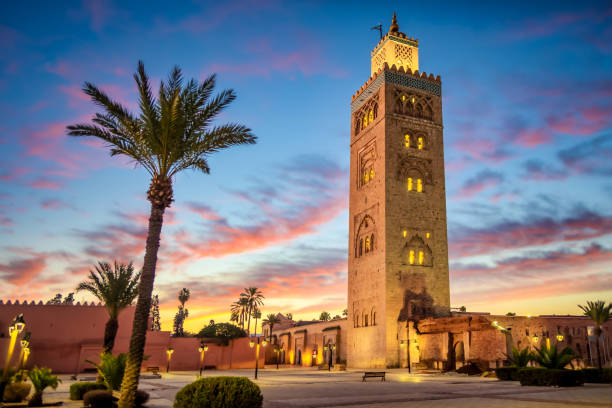
Things to Avoid in Marrakech
These aren’t just random travel tips pulled from thin air. Each one comes from real experiences, conversations with locals, and watching countless travelers make the same mistakes.
1. Falling for the “Free Tour Guide” Trick
Picture this: you’re standing outside your riad, map in hand, looking slightly lost. A friendly local approaches. “Where are you going? I’ll show you, no problem. I’m heading that way anyway.”
Twenty minutes later, you’re deep in the medina at a leather shop owned by his “cousin,” and suddenly the “free” help comes with an expectation of payment plus a guilt trip about his family needing money. This happens constantly. Like, multiple times a day to every tourist who looks even remotely uncertain.
The truth is, genuine Moroccans are incredibly hospitable. But professional touts have turned helpfulness into a business model. They bank on your politeness and discomfort with confrontation. The moment someone approaches you unsolicited offering to show you around, your alarm bells should ring. Politely but firmly decline. Say “La, shukran” (No, thank you) and keep moving. Don’t stop to explain or justify. Don’t make eye contact for too long.
If you actually want a guide, book one through your accommodation or a reputable tour company. Yes, it costs more. But you’ll get real expertise instead of a sales pitch disguised as sightseeing.
2. Skipping the Haggling Game
Here’s something that makes a lot of visitors uncomfortable: haggling isn’t optional in the souks. It’s literally part of the cultural exchange. The initial price you hear? That’s not a real price. That’s the opening bid in a negotiation game both parties expect to play.
I watched a woman once pay 800 dirhams for a tagine pot because she felt awkward negotiating. That same pot? I saw it later for 150 dirhams after some back-and-forth. Your discomfort with haggling costs you real money. But more than that, vendors actually respect you less when you don’t negotiate. To them, accepting the first price marks you as either clueless or too wealthy to care.
Start at about 40% of their asking price. They’ll act shocked, maybe even offended. That’s part of the theater. Work your way up slowly. If you can’t agree, walk away. Nine times out of ten, they’ll call you back with a better offer. The trick is being willing to actually leave. Once they know you’re committed to buying regardless, your bargaining power evaporates.
There are some exceptions. Small grocery stores and cafes usually have fixed prices. Anywhere with price tags probably won’t negotiate. When in doubt, try anyway. The worst they can say is no.
3. Taking Photos of Performers Without Asking (and Paying)
The snake charmers in Jemaa el-Fna square, the water sellers in their colorful costumes, the henna artists, and the monkey handlers. They’re all incredibly photogenic. They’re also running a business, and your camera is going to cost you.
This catches people off guard. You snap a quick photo thinking it’s harmless, and suddenly someone’s demanding 100 dirhams. It escalates fast. Sometimes aggressively. I’ve seen tourists surrounded by three or four people insisting on payment for a photo they didn’t even pose for.
The mistake here is thinking that public spaces mean free photography. These performers and their animals are props in a carefully orchestrated money-making operation. Some are legitimate artists making a living. Others are straight-up scam artists who position themselves in your photo frame deliberately.
Your best move? Keep your camera and phone down unless you’ve negotiated a price first. If someone jumps in your shot uninvited, don’t pay. Walk away quickly and confidently. If you do want that iconic photo with a snake draped over your shoulders or a monkey on your head, agree on the price upfront. Get it crystal clear. 20 dirhams is reasonable. Anything over 50 is too much. And honestly? Skip the monkey thing entirely. Those animals are often mistreated.
4. Trusting Taxis Without Meters
Marrakech taxis should use meters. The law says so. In reality, many drivers will tell you the meter is “broken” or simply refuse to turn it on, especially when they spot a tourist.
What happens next is you agree on what seems like a reasonable fare, maybe 50 dirhams to get across town. You arrive. Suddenly the driver claims you agreed to 50 euros, not dirhams. Or he insists the price was per person, not for the whole ride. The confusion around currency and terms gets weaponized.
Before you even get in the taxi, point to the meter and say “Compteur, s’il vous plaît” (Meter, please). If the driver refuses or gives you a story, get out and find another taxi. They’re everywhere. You have options. During my last trip, it took me three tries to find a driver who’d use the meter for a simple trip to Gueliz. Annoying? Sure. But better than paying triple.
The base fare starts around 7 dirhams in the daytime, 10 at night. A trip across the city should rarely cost more than 30-40 dirhams with the meter. If someone quotes you 100+ dirhams for a standard journey, they’re trying it on. Just walk away.
Some travelers use apps like Careem or InDrive, which work like Uber. The price is set up front. No surprises, no arguments. Worth having on your phone as backup.
5. Eating at Restaurants on Jemaa el-Fna’s Rooftop Terraces
Those restaurants ringing the famous square with their rooftop views? Tourist magnets. And mostly mediocre food at inflated prices.
The view is admittedly spectacular. Watching the square come alive at sunset, seeing the smoke from the food stalls rise up, and hearing the drummers and storytellers. It’s atmospheric. But you’ll pay 150 dirhams for a tagine that tastes like it came from a microwave, while locals eat better food for 40 dirhams a five-minute walk away.
The restaurants know they have a captive audience. They don’t need to try hard because tourists keep coming for the Instagram shots. The menus are almost identical from place to place: overpriced tagines, couscous, and pastilla. The execution ranges from acceptable to disappointing.
If you want that sunset view, grab a mint tea and enjoy the spectacle. But eat somewhere else. Head into the side streets of the medina where locals actually dine. Look for places full of Moroccan families. Those spots have something to prove. Their reputation depends on local approval, not on having the right view. The food will be cheaper, fresher, and infinitely more authentic.
I found my best meals in Marrakech at tiny, unmarked restaurants recommended by my riad owner. Places with no English menus and questionable chairs, where the tagine came out bubbling hot and tasted like someone’s grandmother made it. That’s what you want.
6. Booking a Riad Without Checking the Exact Location
Marrakech’s medina is a maze. A beautiful, confusing, utterly disorienting maze. Your romantic riad with its gorgeous courtyard and rooftop terrace might be located down an alley so narrow and unmarked that even taxi drivers can’t find it.
This matters more than you think. Hauling luggage across cobblestones through winding passages while trying to follow vague directions gets old very quickly. Especially after a long flight when you’re tired and just want to collapse. I met a couple who spent 45 minutes wandering with their suitcases because their riad was “near Jemaa el-Fna” which could mean anything within a 20-minute walk radius.
Some riads are deep in the residential quarters. Peaceful and authentic, sure. But also far from restaurants, attractions, and main pathways. You’ll do a lot of walking. Some are near tanneries, which smell exactly how you’d imagine a place where they cure leather would smell. Not pleasant.
Before you book, ask specific questions. How far is it from the nearest landmark? Will taxis be able to drop you close by? Is there parking nearby? Can luggage be transported? Many riads offer porter services to help with bags, which is basically essential. Read reviews mentioning location, not just the pretty tiles and breakfast. Google Maps is hit or miss in the Medina, but check anyway.
Alternatively, stay in Gueliz, the modern part of town. Easier access, simpler navigation, but less atmospheric. Your call.
7. Drinking the Tap Water
This one’s straightforward. Don’t drink the tap water. Even though locals might, your stomach isn’t adapted to the local bacteria.
I know someone who brushed their teeth with tap water and spent two days confined to their room. Not worth it. Bottled water is cheap and available everywhere. Buy it by the gallon if you’re staying a while. Use it for everything: drinking, brushing teeth, rinsing fruit.
Ice in drinks is usually fine at established restaurants and cafes because they typically use filtered water. But at street stalls or questionable-looking places, skip the ice. The same goes for fresh juices from carts in the square. They look amazing, all those fresh oranges getting squeezed right in front of you. But the water they add to stretch the juice? Probably tap. And the glasses? Rinsed in tap water.
Your best bet for fresh juice is at sit-down cafes where you can see they’re using bottled water. Or stick to hot mint tea, which is boiled and therefore safe. You didn’t come to Marrakech to spend your trip in the bathroom. A little caution goes a long way.
Pack some rehydration salts just in case. If your stomach does get upset, they’ll help you recover faster. But really, just stick to bottled water and you’ll probably be fine.
8. Wearing Revealing Clothes
Morocco is a Muslim country. While Marrakech is relatively liberal compared to other Moroccan cities, there are still cultural norms around dress. Showing up in short shorts and tank tops will get you attention, and not the good kind.
You’ll face stares, comments, and sometimes aggressive behavior. More importantly, you’ll be marking yourself as disrespectful and unaware. Locals notice. Some women report being followed or harassed when dressed too casually. Men aren’t immune either. Shorts above the knee can draw unwanted commentary.
This doesn’t mean you need to cover everything. It means being thoughtful. Lightweight pants or knee-length skirts work great. Loose cotton shirts with sleeves. A light scarf you can throw over your shoulders when visiting mosques or conservative neighborhoods. The goal is to cover shoulders and knees as a baseline.
You’ll actually be more comfortable this way. The sun here is intense. Loose, breathable, covered clothing protects you from burning and helps you blend in. Plus, the medina’s narrow streets mean you’re constantly brushing past people. More coverage means less unwanted physical contact.
Look at what local young people wear. You’ll see plenty of modern fashion, but it’s adapted to cultural expectations. Follow that lead and you’ll have a much smoother experience.
9. Changing Money at the Airport or Hotels
The exchange rates at the airport are robbery. Pure and simple. You’ll lose 10-15% of your money just for the convenience of changing on arrival.
Hotels aren’t much better. They’ll exchange currency for guests, but at rates that heavily favor the house. I calculated once that changing 500 euros at my riad versus a proper exchange bureau cost me an extra 400 dirhams. That’s multiple good meals.
ATMs give you the best rates, usually the actual interbank rate minus your bank’s foreign transaction fee. Find an ATM attached to a major bank (Attijariwafa Bank, BMCE, Banque Populaire) rather than standalone machines. Withdraw larger amounts to minimize the per-transaction fees. Most machines let you take out 2000-5000 dirhams at once.
If you need to exchange physical cash, go to a proper exchange office (bureau de change) in the city. They’re competitive and transparent about rates. Avoid anyone offering to change money on the street. It’s illegal, and you might end up with counterfeit bills.
Keep some cash on hand. Cards work at bigger establishments, but the medina runs on cash. Small shops, food stalls, taxis, tips. You’ll need dirhams constantly. And keep small bills. Getting change for a 200 dirham note at a small stall can be surprisingly difficult.
10. Visiting Only the Main Tourist Circuit
Marrakech is so much more than Jemaa el-Fna square, the souks, and Majorelle Garden. If that’s all you see, you’re missing the actual city.
Most tourists follow the exact same route. They hit the same landmarks, eat at the same restaurants, and buy from the same shops. It’s like experiencing Marrakech through a very narrow, very crowded filter. You end up with the sanitized version, the performance put on for visitors.
The real Marrakech exists in the neighborhoods where tourists rarely venture. The Mellah (old Jewish quarter) has its own distinct character and history. The Kasbah district near the royal palace feels different from the northern medina. Gueliz, the modern section, shows you contemporary Moroccan life. Markets like Rahba Kedima spice square or the mellah vegetable market cater to locals, not tourists.
Take time to get lost. Wander down side streets that don’t seem to lead anywhere. Follow locals doing their shopping. Sit in parks and watch daily life unfold. Some of my best Marrakech memories happened by accident. A tiny ceramics workshop where an old man let me watch him work. A neighborhood bakery where locals bring their own tagine pots to be cooked in the communal oven. A quiet square where kids played soccer while their parents drank coffee.
Day trips matter too. The Atlas Mountains are right there. Berber villages, waterfalls, and traditional life that predates tourism by centuries. Essaouira on the coast offers a completely different vibe. Even just heading to the Palmeraie on the outskirts gives you a perspective on how the city sits in its landscape.
Stop treating Marrakech like a checklist. Treat it like a place where people actually live.
Wrapping Up
Marrakech rewards the prepared traveler. Know these pitfalls going in, and you’ll navigate the city with confidence instead of confusion. You’ll spend less money on scams and more on experiences that matter. You’ll eat better, sleep better, and actually enjoy yourself instead of feeling defensive all the time.
This city can be intense. But it’s also magical, generous, and unlike anywhere else. The colors, the sounds, the smells, the chaos that somehow works. Give Marrakech the respect it deserves by being a smart, aware visitor. You’ll get that respect right back.
Safe travels. And seriously, practice your haggling before you hit those souks.